CLARENCE BIRDSEYE, THE FATHER OF MODERN FROZEN FOODS, is credited with developing a flash-freezing machine after observing the Inuit, an indigenous people group inhabiting the Arctic regions of Canada, freeze their food.
The invention of the flash-freezing machine has revolutionized food preservation. This invention has changed the way we prepare food, dispelling the myth that frozen food is less nutritious than fresh food. Frozen foods, if you know what to look for, can be an easy and nutritious way to plan your meals, especially on busy days. On busy days, quick meal options can be as easy as reaching into the freezer.
•Frozen foods can be inexpensive, delicious, and most of all easy!
•Frozen foods are not created equally, so looking at the nutrition facts label and ingredients can help you choose the best options.
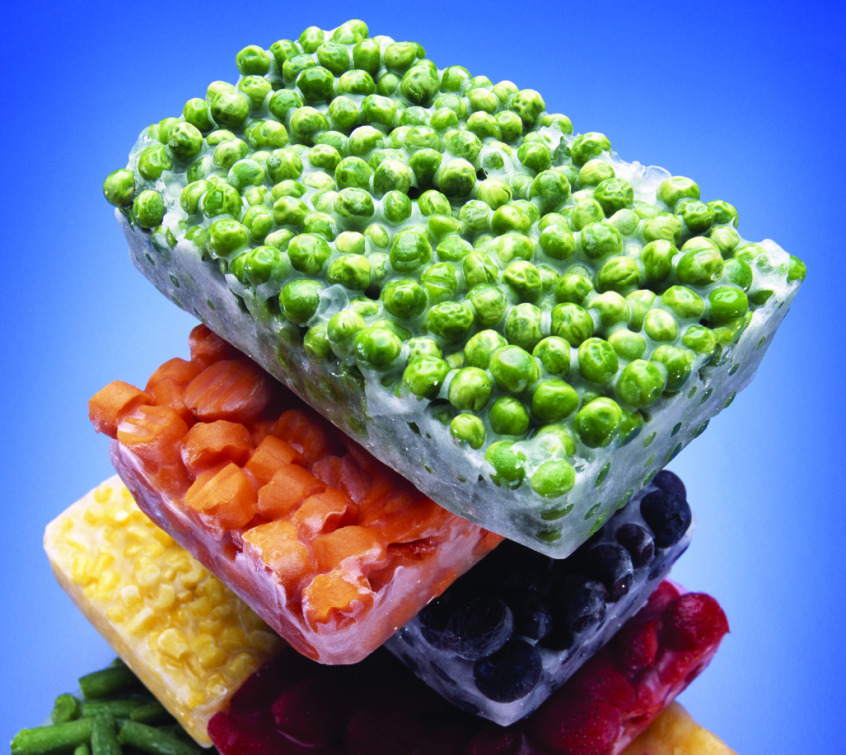
•Frozen foods, such as fruits and vegetables, are often frozen within hours of being harvested, keeping them at their peak nutritional content.
Finding nutritious options can be challenging when frozen meals are often loaded with saturated, unhealthy fat, high in sodium, or filled with processed ingredients.
The goal is to find well-balanced options, including fruits and vegetables. Some of the best frozen food brands include Healthy Choice, Lean Cuisine, Amy’s, Tattooed Chef and Saffron Road.
First, look at the serving size for the item. Then, consider that some frozen dinners are more than one serving; you may need to check the nutrient content. Next, consider the sodium content in the frozen meal. Search for any sodium additives used to preserve freshness, enhance flavor, improve texture and the food's appearance. A common sodium additive is MSG, used as a flavor enhancer.
The American Heart Association recommends consuming less than 2300 mg of sodium per day. Some frozen sauces, flavorings, oils and additives can contribute to saturated fat content. Many frozen meals contain more saturated fat than recommended. The goal is to keep saturated fat less than 14 grams per day.
At times, it is appropriate to go the convenience route. Frozen food is available all year long, so there is no need to worry about whether produce is in or out of season. The benefit is that frozen food has a long shelf life, so you can stock up and save.
Although frozen meals can be high in sodium, fat and calories, shopping right and reading labels can help you pick the best options. Check out the brand names mentioned in the article.
Try to remember to round out your meal(s) with extra vegetables, a whole grain, and protein such as eggs, tofu, or ground beef and a fruit choice for a balanced meal.
Frozen foods can be a convenient and affordable way to incorporate healthy foods from every food group, are affordable in price, aid in reducing food waste and can benefit busy families, seniors or those with limited kitchen space.
Laurie Syring, RDN/LD, is Clinical Nutrition Manager at ProMedica Flower Hospital. ✲