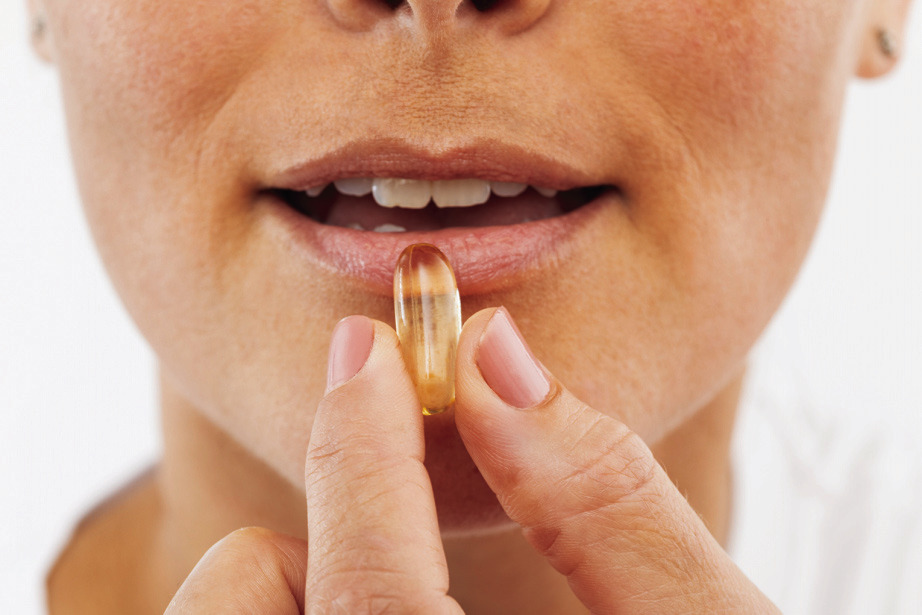
UPON WAKING IN THE MORNING, I begin the day by taking my daily prescriptions, cutting a pill with a pill slicer–courtesy of a local pharmacy.
I took half a sliced pill with water in a water bottle supplied by a local hospital. Then I took two morning pills stored in a sevenday: morning, afternoon, evening and night, pill case from a home health care company. As I continued my morning routine, I brushed my teeth with a toothbrush, then I picked up a floss container from the dentist after my last dental appointment.
In preparation for the day, I wrote down what I needed to do on a free notepad I picked up from a local home health company.
I changed into a T-shirt I received from one of the MS walks I participated in. I opened my mail with a letter opener from a home physical therapist. At my computer desk, I use pens from a variety of drug companies, a paperweight from the National Disease Society, and a mouse pad from a new startup medical clinic. Then, to fill my purse with essentials, I took a small hand sanitizer that was distributed at a senior center luncheon. On my way out, I took some lip gloss I received from a physical therapy company.
Perhaps a lot of us have some of these everyday items. Many useful, everyday products are given to us at local events or gatherings sponsored by national organizations such as the American Cancer Society, the National MS Society and organizations that help those with ALS or autism.
Years ago, drug companies began handing out samples to physicians who handed them out to patients as an incentive to choose medications or products and therapies.
Today, any incentivization practices by pharmaceutical companies to medical professionals is closely monitored.
Many healthcare companies give away free items—ranging from pens and stress balls to free product samples and educational tools—primarily as a marketing strategy to increase brand awareness, foster loyalty and influence purchasing or prescribing behaviors.
These initiatives are designed to create positive associations with a brand, making it more likely that consumers or healthcare providers will return for future paid interactions.
It is legal to give these samples to patients for free, but it is illegal to sell the samples. The government has prosecuted physicians for billing Medicare for free samples.
The U. S. Department of Health and Human Services (HHS) Office of the Attorney General has clear rules of conduct for the incentivization of free products.
Some physicians will welcome visits from pharmaceutical salespeople, while others prefer not to engage with industry representatives. If practices are made accessible to salespeople, then chances are product samples will be offered. Many drug and biologic companies provide physicians with free samples that the physicians may give to patients.
Opinions differ on whether sampling practices ultimately increase or decrease patients' longterm drug costs.
If samples are accepted, reliable systems need to be put in place to safely store and ensure samples are not commingled with commercial stock.
The state of Ohio is one of many states protected by Sunshine Laws, which promote transparency in government by granting citizens access to public records and open meetings, ensuring accountability and public participation in governing operations. This means that Sunshine Laws require pharmaceutical companies to disclose payments or gifts to physicians.
These laws often require disclosure of other forms of promotion beyond detailing, such as consulting payments, but most still contain significant exemptions.
Going past a sign on my doctor ’s door that read, “ No Pharmaceutical Representatives without an appointment,” made me aware that businesses and companies can promote themselves with pens, pill boxes, band-aid samples, etc., that include their name.
That is OK, and that’s what is done these days.
Sister Karen Zielinski is the Director of Canticle Studio.
Canticle Studio is a part of the Sisters of St. Francis of Sylvania, OH’s overall advancement effort and has a mission of being a creative center where artists generate works, products, and services in harmony with the mission of the Sisters St. Francis.
She can be reached at kzielins@sis tersosf.org or 419-824-3543. ✲