WHEN WE THINK OF THE HARMFUL EFFECTS OF SUN EXPOSURE, painful sunburns and skin cancer usually come to mind. Thanks in large part to various public awareness campaigns, more and more people are starting to get the message about the importance of protecting their skin by donning sun-protective attire and applying sunscreen before spending time outdoors. But what we often forget when preparing to combat the sun’s harmful rays is that our eyes need protection from them, as well.
The damaging effects of ultraviolet radiation can contribute to a number of eye afflictions, such as macular degeneration, cataracts, and cancer of the eyelids. Inflammation of the cornea, known as photokeratitis, and a similar condition affecting the conjunctiva (the mucous membrane lining the surface of the eyeball and the inner surface of the eyelid), called photoconjunctivitis, can also result from excessive UV exposure.
Symptoms of photokeratitis might include redness, tearing, pain, and a gritty sensation in the eyes; swelling of the eyelids; headache; hazy vision; and the appearance of halos around lights. In extreme cases, temporary blindness—commonly known as “snow blindness”—can result. Snow reflects as much as 80 percent of UV radiation, causing the harmful rays to enter the eyes from many angles at once, hence skiers and climbers face a greater risk of developing this condition, especially at higher altitudes.
But just because you’re spending time outdoors where there is no snow doesn’t mean you’re not at risk of developing photokeratitis. Open water and beach sand also reflect a considerable amount of sunlight, so your eyes must be protected during activities such as boating, fishing, waterskiing, beach volleyball, or simply relaxing on the beach. Also, your eyes are just as vulnerable to harmful UV radiation on overcast days, so don’t assume cloud cover negates the need for sun protection. Sun-related eye problems affect both adults and children, but kids are even more vulnerable than adults because the lenses of their eyes are more transparent, allowing more light to pass through. Other people at increased risk for sun-related eye problems include those who have had cataracts surgically removed, people with certain disorders affecting the retina, and people taking certain classes of medication. If you’re taking any medication, it’s important that you check with your doctor or pharmacist about any potential photosensitivity reactions associated with the drug before spending time in the sun.
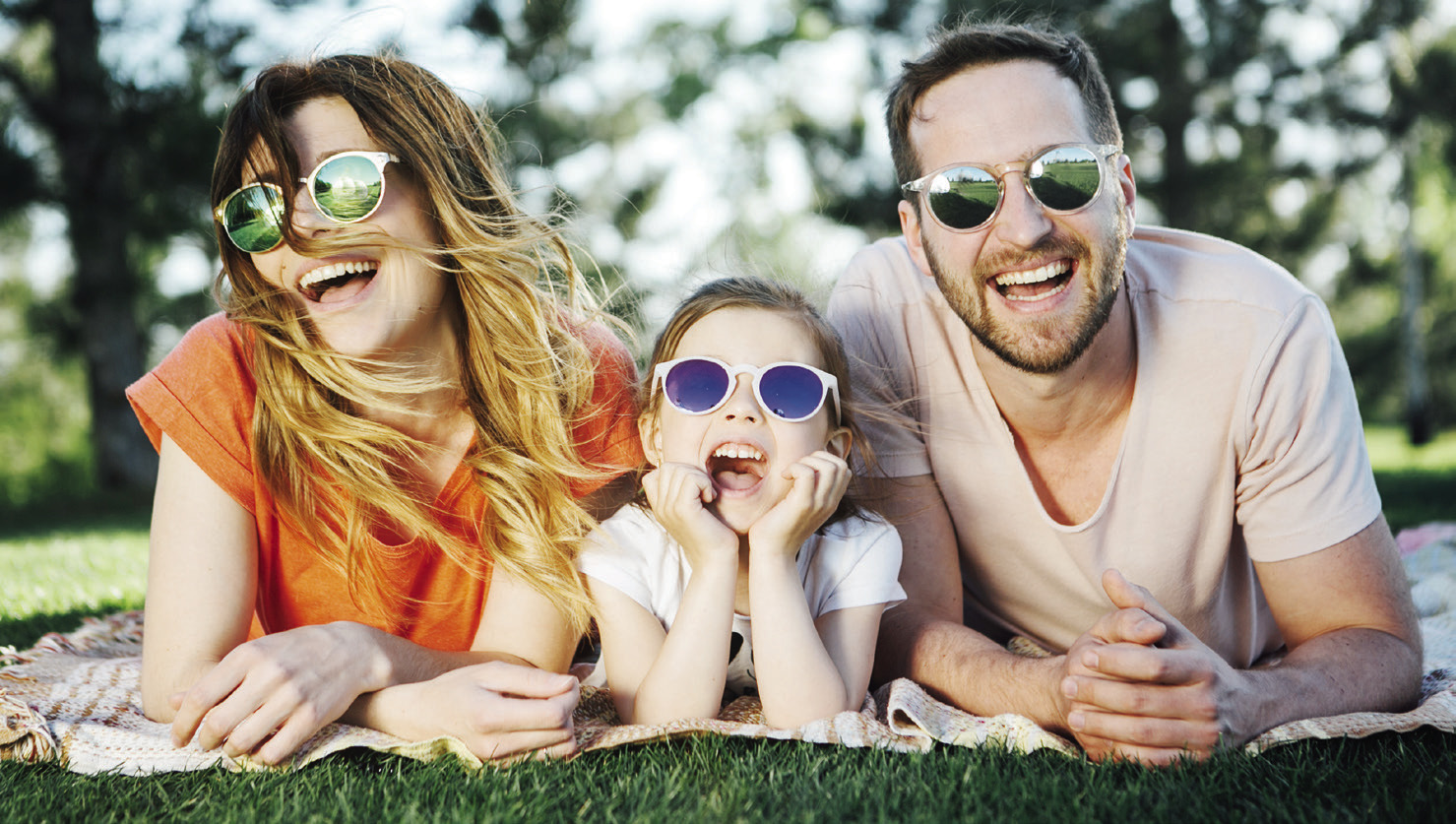
The good news when it comes to protecting your eyes from sun damage is that it’s as easy as wearing the right pair of sunglasses. Look for a pair that not only fits comfortably and reduces glare but is also rated to filter out 99 to 100 percent of UVA and UVB rays. For optimal eye protection, choose wrap-around-style sunglasses.
Keep in mind that the “right pair of sunglasses” does not mean the most expensive pair you can buy. Costlier glasses may come in a wider range of designer styles, but they don’t necessarily provide a greater level of UV protection. Appropriately rated discount sunglasses will satisfy this
n recommendation just as well as costly designer pairs will. Also, don’t assume glasses with a darker tint will provide better UV protection than lighter glasses will. The level of UV protection sunglasses provide is not related to their color and depth of tint. Any color and shade will do as long as the glasses are rated to block UVA and UVB.
People who rely on corrective eyewear have the option of choosing prescription UV-protective sunglasses or choosing lenses for their daily- wear glasses that have a photochromic tint rated to block 99 to 100 percent of UVA and UVB. Photochromic lenses are transparent indoors but darken to a sunglass shade when exposed to UV radiation outdoors.
If your outdoor activity demands the use of a helmet, goggles, or face shield, you can purchase these items with UV protection already applied or you can have tinting applied to existing equipment. Yet another option is to purchase tinted film by the sheet and cut it to fit your protective headgear.
Because children are at even greater risk of sun-related eye damage, it’s vital that they wear UV-protective eyewear when spending time outdoors, as well. Make sure the glasses fit your child properly and are impact-resistant so they can stand up to rough play. Avoid “toy” sunglasses, which, while fun from your child’s perspective, may not provide adequate UV protection. ✲