UNDER THE CURRENT ECONOMIC CONDITIONS, with food prices still on the high side and certain items (i.e., eggs) in short supply, people need to find creative ways to stretch their food-buying dollar. That involves planning, smart shopping, and cooking at home more, while prioritizing affordable staples like beans, rice, and frozen produce.
Of course, getting started is the hard part, but this seemingly overwhelming endeavor can be broken down into three simple, manageable steps: Step 1: Take inventory of what you have in the pantry, refrigerator, and freezer.
Step 2: Pull out your recipe collection, or search online for simple, healthy meal recipes.
Step 3: Plan out your week and shop smart to save time and money. The first two steps are fairly self-explanatory, but some people might need a little guidance on the third step. So, let’s delve a bit deeper into Step 3 as well as explore some additional recommendations that will help you and your family eat right on a tight budget.
Plan your meals
Yes, I know, “plan, plan, plan” is a mantra of mine, but mindful meal planning is necessary if you want to shop right, avoid impulse buys, limit costly (and often unhealthy) restaurant excursions, and prevent food waste. Take time on Sundays to map out your week with work, appointments, meetings, sports, and exercise, then fill in with proposed meals. Keep it simple, and strive to create a routine that’s easy to maintain— for example, Taco Tuesday, Crock-Pot-Meal Night, Grill-Out Night, Pizza Night, Soup-and-Salad Night, and Sunday Dinner.
Shop smart
Do you ever go to the store and come home thinking, “I did not buy one thing for dinner tonight”? I’ve done this many times! That’s why it’s so important to take along a shopping list and stick to it.
When choosing foods, seek out generic or store brands. This can be a gamble for some items, but in most cases, they’re just fine. Try to buy fresh produce in season, and opt for frozen and canned in the off season. You’ll find they’re much cheaper. Do cost comparisons. Also, take advantage of sales, coupons, discount days, and loyalty programs, and consider shopping at discount grocers, such as Aldi, or wholesale clubs for bulk items. Again, avoid impulse buys—and never shop hungry! A great way to prevent this is by placing your grocery store order online for pickup.
Cook at home
When time is tight after work, it’s always tempting to eat out, but cooking at home is generally more affordable, not to mention much healthier. You can also bulk up your home-cooked meals with rice, pasta, or vegetables—or add beans to meat dishes—to make them more filling and cost-effective. Use leftovers for lunches or in other recipes for stews, soups, stir-fry dishes, or burritos.
Make Monday meatless
Consider adding meatless meals to your weekly calendar. “Meatless Monday” is easiest to remember, but choose whichever day works best for you and your family. Instead of meat, consider lentils, beans, and other plant-based protein sources.
Don’t forget the healthy part
Be careful not to overlook the “healthy” part when planning budget- friendly meals. Limit or avoid pop, chips, sugary cereals, processed foods, and convenience meals—regardless of how inexpensive they may be.
When shopping for grains, choose 100% whole wheat, oatmeal, brown rice, and whole-grain noodles. As mentioned, buy fruits and veggies in season. Farmers markets and local fresh food stands are great sources for them and offer some of the best prices. Buy only what you need and use fresh produce quickly to prevent spoilage and food waste. Keep frozen fruits and vegetables on hand as well. Not only are they less expensive, but they can be used in a wide range of recipes and are great for making smoothies! When choosing protein sources, look for lean meats and meats on sale. Buy a larger pack of lean meat, use half and freeze half. Beans are a good and inexpensive source of protein and fiber. If you buy them canned, look for no-salt-added beans.
In addition, try to practice portion control. Remember a meat portion is just 3-4 ounces for adults. Fill up on vegetables and fruit for dessert instead of reaching for more protein.
Grow your own produce
Now is a great time to have a garden. Seeds are cheap, and with time you can grow your own veggies, herbs, sprouts, etc. Homegrown tastes so good, and you can guarantee it’s organic and picked at the peak of ripeness.
You don’t have to break the bank to eat well. You can enjoy many nutrient- rich foods even on a tight budget. Also, keep in mind that highly processed foods cost you twice—once at the grocery store checkout, and a second time in the form of future health problems/conditions that stem from eating foods high in sodium and sugar.
Don’t be afraid to experiment with recipes and cooking techniques, and if you’re struggling to afford food, explore food-assistance programs.
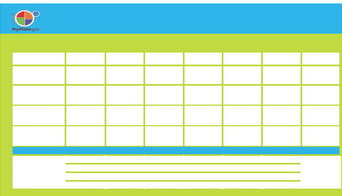
Looking for a good, easy-to-use meal-planning tool? Be sure to check out the Create a Grocery Game Plan Weekly Calendar at myplate.gov.
Laurie Syring, RDN/LD, is Clinical Nutrition Manager at ProMedica Flower Hospital. ✲