IMAGINE YOU’RE SITTING IN THE BREAK ROOM AT WORK, catching up on texts and chatting with coworkers, when out of a clear blue sky, your arm goes numb, you start to slur your words, and the room suddenly seems off-kilter. Now imagine that within mere minutes, those alarming symptoms vanish completely and you feel perfectly normal again. Would you shrug off this episode, possibly attributing it to stress or a bad night’s sleep, or would you take it as a warning sign that something more sinister may be looming and seek medical attention?
This is the dilemma facing people who experience a transient ischemic attack, also known as a “mini-stroke.” Because the symptoms are fleeting and victims tend to feel fine afterward, it’s easy to dismiss the need for medical intervention. However, ignoring this red flag can have devastating—even deadly—consequences.
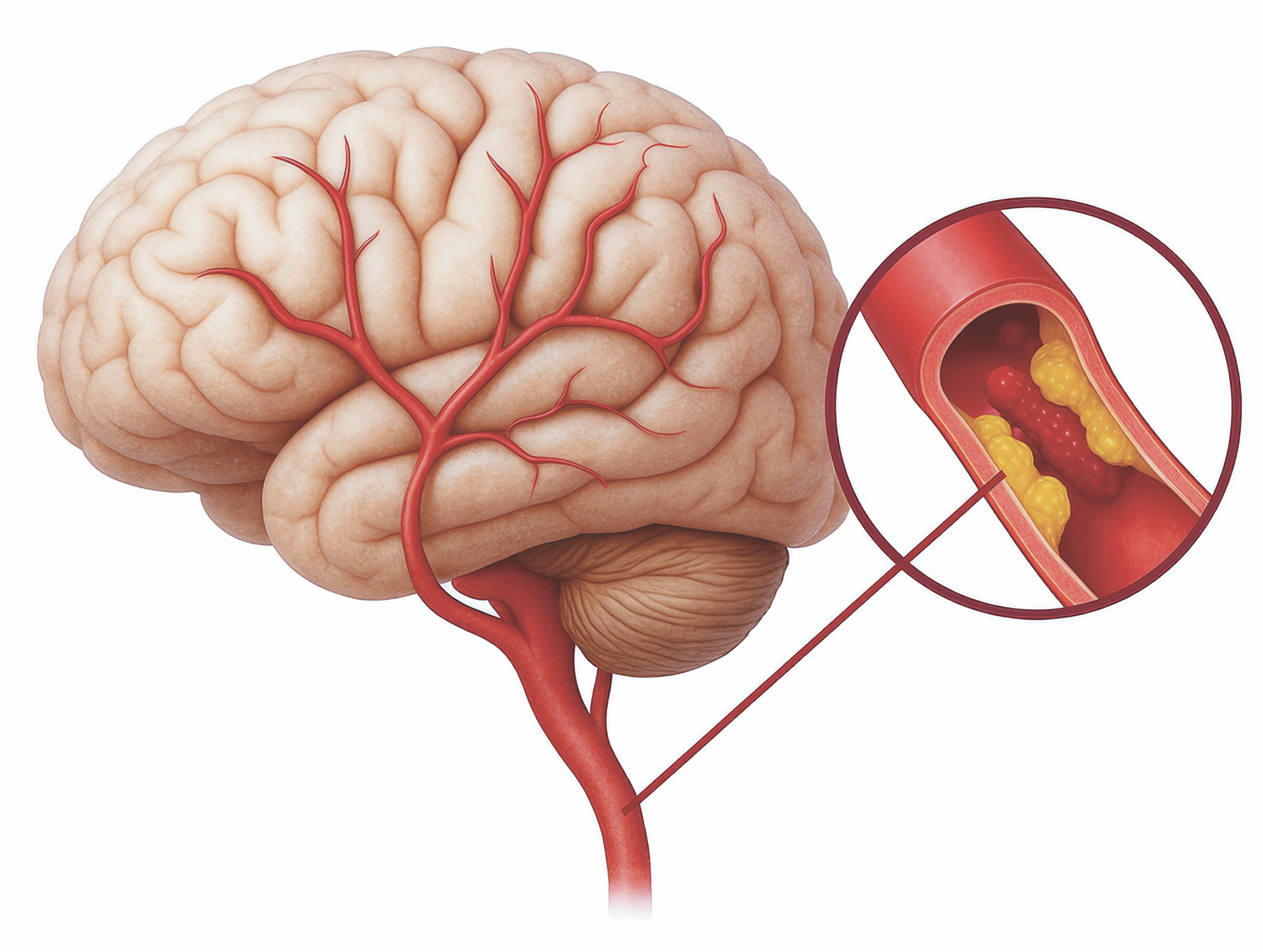
What exactly are TIAs and what causes them? TIAs occur when blood blow to part of the brain is blocked temporarily, either by a blood clot or narrowed artery. The resultant symptoms mirror those of a fullblown stroke, i.e., sudden weakness, numbness, or paralysis on one side of the body; slurred speech or difficulty understanding others; blurred vision or blindness in one or both eyes; dizziness or loss of balance; or severe headache with no apparent cause. Unlike with stroke, however, TIA symptoms resolve quickly, usually within minutes to an hour (potentially lasting up to 24 hours according to the American Stroke Association), and cause no permanent damage or disabilities.
There are both non-modifiable and modifiable risk factors for TIA.
Non-modifiable risk factors include:
• Age—risk increases with age, especially after age 55
• Having a family history of stroke or TIA
• Sex—men are at slightly higher risk than women
• Race/Ethnicity—certain racial and ethnic groups may be at higher risk than others.
Modifiable risk factors include:
• High blood pressure
• Smoking
• Diabetes
• Obesity
• Unhealthy diet
• Lack of physical activity
• High cholesterol
• Atrial fibrillation (AFib).
Again, it’s the brief nature and benign consequences of TIAs that make it all too easy for victims to brush them off as quirks when they should be recognized as an urgent call to action. Personal attitudes and character traits can prevent people from taking prompt action in the wake of a TIA as well. For example, it’s common for individuals who are either stoic by nature or reluctant to “bother” doctors with what they think are minor concerns to delay seeking medical attention following a TIA.
A good analogy to help understand the phenomenon of TIAs are the tremors, or foreshocks, that commonly precede a major earthquake. Research shows that one in three people who have a TIA go on to experience a full-blown stroke within a year if the condition is left untreated, and the risk of stroke is especially high in the first 48 hours following the TIA. Furthermore, a 2023 study published in Stroke found that 10-15% of TIA patients suffer a stroke within three months, often because they didn’t seek medical care promptly.
The potential impact of a full-blown stroke should not be underestimated. The Centers for Disease Control and Prevention estimates that stroke kills about 140,000 Americans annually and is a leading cause of long-term disability. A stroke can suddenly and permanently alter your quality of life, claiming your speech, function, mobility, and independence. What’s more, stroke survivors often face prolonged, rigorous rehabilitation and emotional strain—not to mention a substantial financial burden.
The American Heart Association emphasizes that a TIA is a medical emergency, requiring rapid evaluation—ideally within hours—to pinpoint the cause and begin appropriate treatment. The simple fact is, dismissing TIAs and ignoring the underlying cause— whether it’s plaque buildup, high blood pressure, atrial fibrillation, etc.—won’t make the problem go away. A TIA is a clear signal that your cardiovascular system is already primed for serious trouble. Don’t ignore it. Recognize it as the foreshadowing of a future event that could be much more serious— and get medical help immediately.
✲