

NOVEMBER IS DESIGNATED DIABETES AWARENESS MONTH, a time for all of us to rally together against this often-stealthy disease that, according to the Centers for Disease Control and Prevention (CDC), affects almost 38 million Americans. So, for this month’s column, I’d like to address the vital role healthy eating plays in the prevention and management of diabetes.
But first, it might be helpful to refresh our understanding of what diabetes is. In simple terms, diabetes is a disease that affects the body’s ability to produce or respond to the hormone insulin. Insulin is produced by the pancreas and regulates the amount of glucose (sugar) in the blood. Diabetes occurs when blood glucose levels are too high for a prolonged period. Over time, diabetes can cause severe health problems. Management of the disease is achieved with medication, diet, and exercise.
With that said, let’s examine why proper diet is so important in the fight against diabetes. Healthy eating for prediabetes (having a blood sugar level that is higher than normal but not yet high enough to be diagnosed as diabetes) and diabetes can help manage your blood sugar. Nourishing your body with quality foods helps your body function at its best, and eating well and managing carbohydrates are key to sustaining 10.25x5_ES_Family_FINAL2_Ad_HL_624_HI.pdf a healthy blood sugar range. But don’t worry, healthy eating with diabetes doesn’t mean giving up all your favorite foods. With a focus on portions and frequency, all foods can be enjoyed.
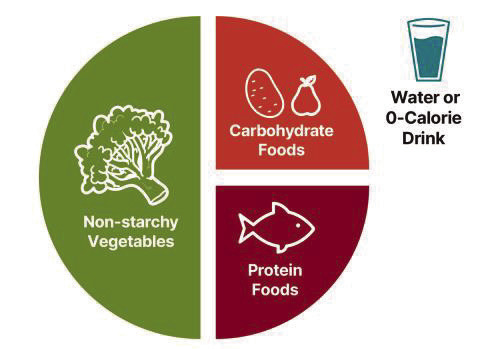
Food fuels the body, and making informed food choices is essential to living well and a key component of diabetes management. I recommend these basic guidelines when making food choices and planning meals: The foundation of your meal should be non-starchy vegetables followed by lean protein and plant-based sources of protein, quality carbohydrates like starchy vegetables, fruits, whole 1 6/19/24 2:04 PM grains, and low-fat milk. Look for minimally processed foods with less added sugar and healthy fats. For hydration purposes, choose water or other zero-calorie beverages.
The “Diabetes Plate” provides a great visual guide to planning a healthy meal in just the right proportions. Take a nine-inch dinner plate and fill onehalf of it with nonstarchy vegetables; one-quarter with lean proteins; and one-quarter with quality carbs like whole grains, starchy vegetables, fruits, and low-fat dairy. Good sources of lean protein include chicken, fish, seafood, lean red meat, beans, hummus, nuts, and lentils. Fruits all contain varying amounts of fruit sugar (fructose) and are good sources of vitamins, minerals, and fiber. The recommended portion size is one small fresh fruit, a half cup of canned fruit or a half cup of fruit juice.
For healthier fat options, choose monounsaturated and polyunsaturated fats. Good choices include nuts, olive oil, avocados, tofu, canola oil, peanut oil, and some types of fish, such as salmon, tuna, and halibut.
Healthy eating with diabetes does not need to be bland and boring, and creating healthy, nutrient-dense meals does not need to be hard! There are tons of cookbooks and online recipes that can help you prepare delicious-yet-nutritious meals. Just start with the Diabetes Plate method in mind and fill in the various food groups with what you may have on hand in the kitchen. Frequent blood sugar checks will let you know whether you’re eating, exercising, and taking medications in the proper amounts—the “proof is in the pudding,” so to speak.
Remember, a healthy diet for someone with diabetes is also a healthy way of eating for the entire family. And, as I always say, enjoy the taste of eating right—on most days.
Laurie Syring, RDN/LD, is Clinical Nutrition Manager at ProMedica Flower Hospital. ✲
