WINTER IS COMING as it always does. Although we would all like to escape to warmer climes for the season of cold, most of us can’t do so for the entire season. This means, in no small part, being prepared for potential snow days and shutdowns.
Certainly we all think about the obvious things: ensuring our winter gear is out of the closet and at the ready, winterizing our vehicles, even bringing out blankets and throws to wrap up in. However, there are things we should prepare for when it comes to our healthcare needs that may not be on the radar.
Be prepared
In general, there is a list of things that are both easy to do and help make us much more safe during the winter months. You can find great information at ready.gov (https:// www.ready.gov/winter-weather).
As a doctor, I am always concerned about general health when the weather takes a significant turn, no matter whether that turn is to icy cold or scorching hot. For most of us, the number-one issue is preparedness. Our memory of the previous cold or hot snap is short.
In general, I recommend that all my patients be prepared. This means warm clothing worn in layers, gloves, and hats. Exposure to bitter cold engenders frequent issues, including frostbite, wind burn, and, at its extreme, hypothermia. All of these problems are very preventable with simple preparation. Bottom line: even if you think you are making a short trip, bundle up!
Finally, don’t forget the sun glasses. Once the cloud cover has passed, the bright winter sun reflecting off the pure white snow can cause all kinds of problems. It might be counterintuitive, but eye protection is as vital in the winter as it is in the summer.
Don’t slip-slide away
Slip-and-fall accidents are another common problem during icy and snowy weather, and no one is immune to falling accidents. According to the Centers for Disease Control and Prevention (https://www.cdc.gov/index. htm), over a million people have accidents each year due to slipping, resulting in 17,000 deaths each year.
Ice is tricky. It is hard to see. Even a light bit of moisture can freeze and cause hazards. So, how do we prevent slips and falls? First wear good shoes. This can go a long way toward preventing falls in the winter. Second, hang on! If there is a rail or handhold, use it. Not even the youngest and spryest among us are immune to unseen ice patches.
Finally, use ice melt on walkways. Many products on the market are easy to use and in convenient packaging. Buy early and put it right by your door. Many falls occur at home and during a simple, routine task, such as getting the mail or going to your car. Don’t assume that a short distance is any safer than taking a hike.
Clear a path
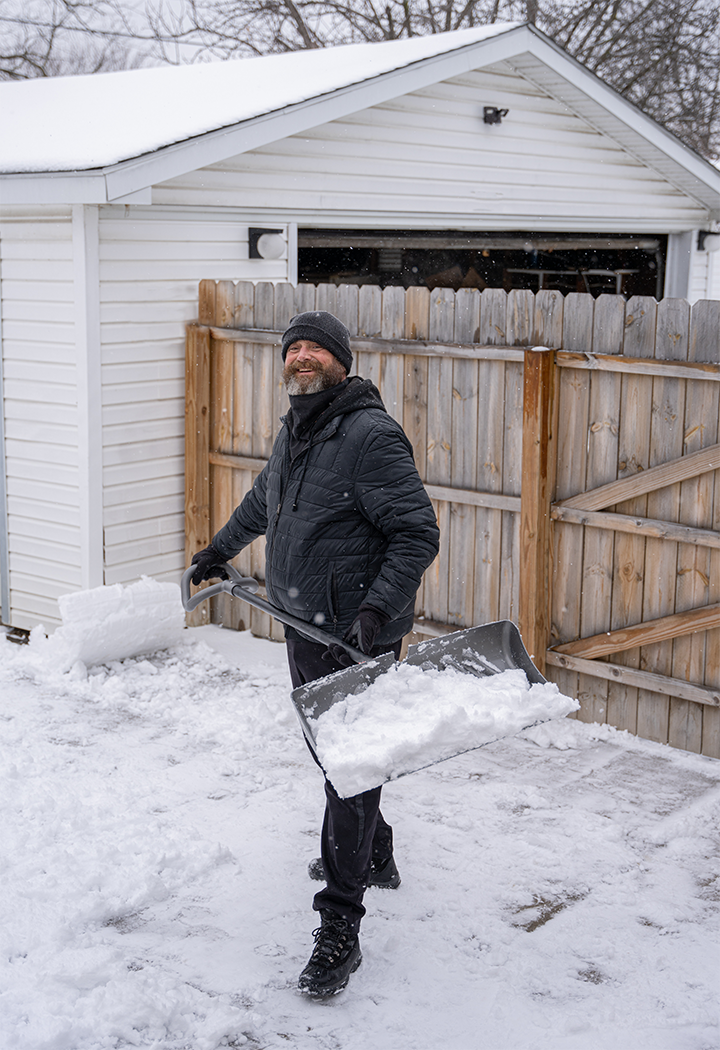
Besides slipping and falling, there are other activities that can cause injury. I am talking, of course, about snow removal. Whether we are going old-school with a shovel or new-age with a powered snowblower, snow removal poses risks.
Let’s start with shoveling. Unless you work in an industry that requires shoveling, it is not something we do on a regular basis. It involves bending and using your arms, legs, and back. “Throwing” your back out during snow removal is common. The easiest and best way to avoid this problem is to go slow and rest often. By going slow, you can stay attuned to your body, making sure you aren’t stressing your back. Resting often will also help you recover from the activity. Above all, don’t be a hero. Take small shovelfuls at a time. A few extra minutes is way better than a week of back pain.
As for snowblowers, these are machines you utilize only a few times a year. It seems overcautious, but review the safety warnings and use instructions before starting the machine. And wear safety glasses. Those machines throw a lot of stuff up in the air.
Also, dress for success. Nothing exposes you more to the winter weather than snow removal.
Practice medical preparedness As a last thought, my highest priority with patients is to make sure they are prepared medically. A snowstorm can interrupt appointments, deliveries, and power. Snow emergencies can be big problems when it comes to maintaining medications. As before, the key is to be prepared.
First, make sure you stay ahead on your supply of medications. Snowstorms can cause problems up and down the supply chain. In short, don’t wait until you run out. Stay in front of your med supply for a couple of weeks to be safe.
Second, make sure you have a small supply of food in your pantry. If, for some reason, you become snowbound, not having food can wreak havoc with many medications. Simple things like soup, canned beans and meats, and even a few healthy frozen dinners can tide you over and keep your eating schedule stable until you can get to a store.
Finally, remember that power can get interrupted during the winter. For those meds that must be taken with food, have a few things that don’t require power to eat, like meal bars. And when I say meal bars, I mean meal, not candy. There are many excellent products on the market that you can store in your pantry for such emergencies.
Overall, the best thing we can do is bepreparedandcareful.Followingafew simplerulesandkeepingcurrentonyour medication supplies will go a long way towardensuringyouhaveahealthy,cozy, and injury-free winter season.
Dr. Steven Bills is the owner of TeleMeMD (mytelehealthmd.com), an on-demand urgent care service. Dr. Bills was born, raised, and educated in Toledo, attending St. John’s Jesuit High School and the University of Toledo, and graduating in 1993 from the Medical College of Ohio. Dr. Bills completed Emergency Medicine Residency training at the joint St. Vincent/Mercy Medical Center and Toledo Hospital program. Since 1996, Dr. Bills has worked in the Northwest Ohio area in nearby emergency departments as well as being a flight physician on local area medical transport helicopters. ✲