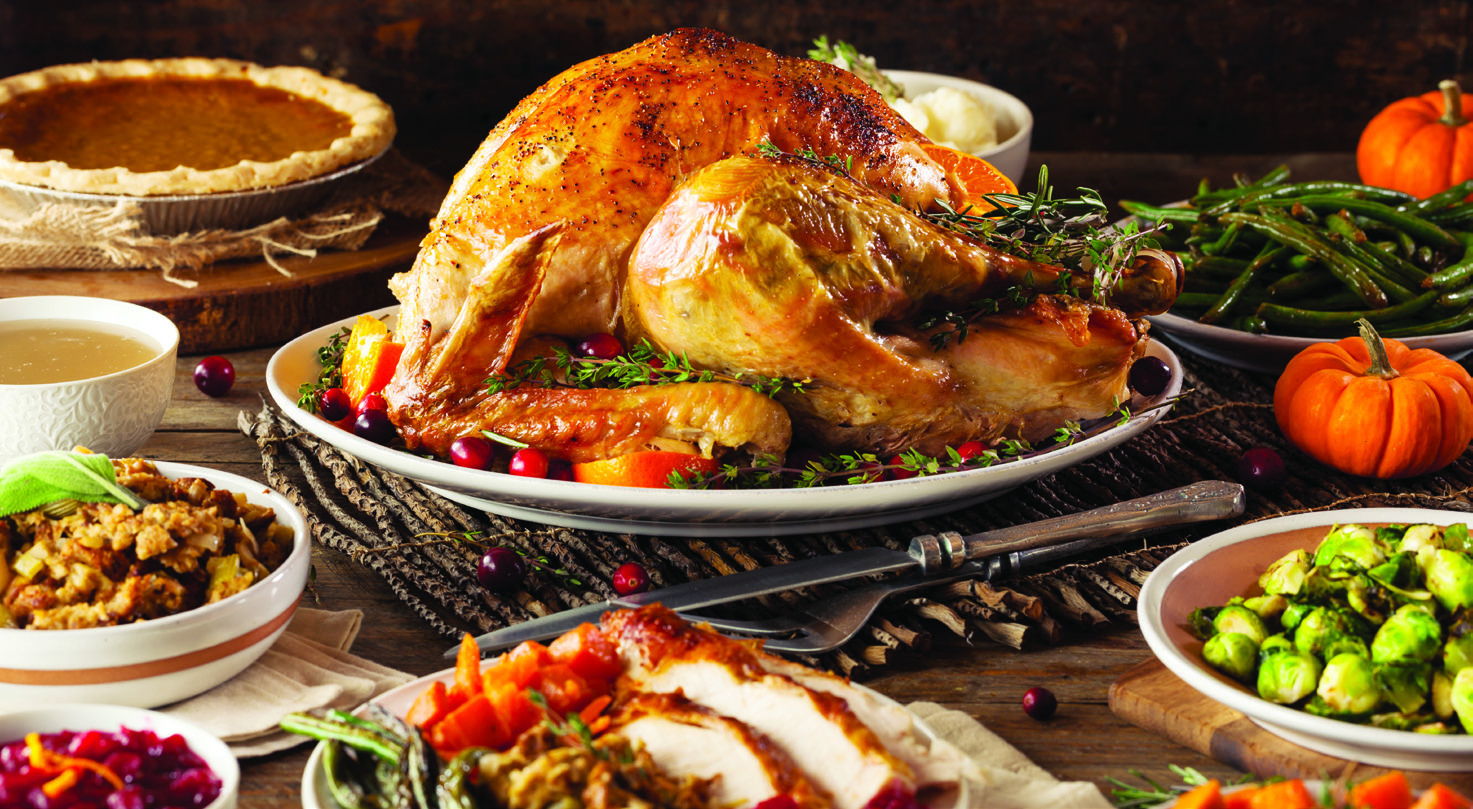
THANKSGIVING IS A TIME for festivity, food, and family, but sometimes an unwelcome guest crashes the party: foodborne illness.
To keep the holiday weekend fun and safe, there are ways to keep any such illness away.
“First and foremost, to prevent the spread of foodborne illnesses,” said Jodi Vaughan, supervisor, food safety division of the Toledo-Lucas County Health Department, “is hand washing. Before starting anything, hands have to be washed, and washed throughout cooking, changing jobs, handling raw meat.
“If you touch your skin or hair or clothes or,” she added with a chuckle, “pet the dog, wash your hands before touching food.”
The traditional centerpiece of the Thanksgiving feast demands strict attention. The turkey, if frozen, cannot be thawed just by sitting on a counter, Vaughan said. Thaw in a refrigerator, under cold, running water, or through the cooking process.
The turkey, like all food that’s to be stored cold, is to be at 41 degrees or colder, she said. Several years ago, the suggested temperature for cold storage was 45, but dropping it to 41 “was a way to put in some extra protection.”
“A turkey needs to be cooked to 165 degrees, measured at the thickest part,” she said. For comparison, ground beef needs to be cooked to 155 degrees.
The goal is to keep bacteria at bay. “A temperature of 165 kills salmonella. In beef, E. coli can be killed off at 155,” she said. Salmonella and E. coli are among the foodborne illnesses that lead to food poisoning. She added that’s normally not fatal, but if they strike someone with a pre-existing health condition, that could require hospitalization.
Don’t forget the stuffing! Vaughan said stuffing in the bird also should be cooked to 165 degrees, measured at its thickest point, because it touches the turkey.
She warns about kitchen surfaces. A turkey on a counter or a cutting board could leave behind traces of salmonella, “so watch for cross-contamination,” she said. Those surfaces need to be washed with hot, soapy water or bleach. She suggests using separate cutting boards for each type of food, even color-coded. “Green cutting board for vegetables, blue for meats,” she said.
Vaughan added that unsealed wood cutting boards or counters are porous, and bacteria can seep into them. “We tell people in restaurants to have smooth and easily cleaned surfaces that are nonporous, and that wood has to be sealed.”
So after everyone’s had their fill— and then some, it is Thanksgiving, after all—there’s the next step in denying bacteria: putting away the leftovers. “They should be broken down into smaller, shallow containers and cooled as quickly as possible,” Vaughan said. This is especially true of rice and potatoes. “If rice and potatoes aren’t cooled properly, bacteria will grow and then when they’re reheated the toxins will be released and people will get sick.
“We tend to let things sit out a long time. Salads, fruits, and vegetables all should be kept out for a limited time or kept in a cold holding dish on ice. Appetizers also should be kept cold and checked to be sure they’re staying cold, and they should be put away in a timely manner.” Vaughan said food should be kept out only two to four hours.
Don’t forget dessert! Store-bought pumpkin pies are shelf-stable, so there’s no worry, she said. For homemade pumpkin pie, though, because of fresher ingredients, “when in doubt, refrigerate,” she said.
Pies with high sugar content need no refrigeration. But Boston cream pies and cheesecakes do, and under the same 41-degree standard.
There’s another element to Thanksgiving safety. “For any big gathering, COVID and flu are still prevalent,” she said. “If you’re sick, stay home and definitely don’t be cooking the food.”
Vaughan said making sure that handling, cooking, and storing food correctly will help ensure that everyone stays free of illness. “Food safety is the first step in helping keep your family healthy during the holiday season,” she said.
Dennis Bova is a freelance writer and editor. ✲