GOOD NUTRITION IS IMPORTANT for everyone but especially for those who have been diagnosed with cancer. With October being designated Breast Cancer Awareness Month, there’s no better time than the present to explore how eating a well-balanced diet before, during, and after cancer treatment can help maintain your health.
If you have been diagnosed with breast cancer or any other form of cancer, nutrition will be an important part of your journey for a variety of reasons. One is that cancer and the therapies used to treat it can affect your appetite and change your body’s ability to tolerate some foods and use/ absorb nutrients. Eating well during cancer treatment can help you feel better and keep up your strength and energy as well as keep up your body’s store of nutrients. With proper nutrition, you’ll get through cancer treatment and its side effects more easily, heal and recover better, and decrease your risk of infection.
Nutrition needs can vary from one person to the next depending on factors such as the individual’s nutrition status prior to diagnosis, the type of cancer, and the location of the cancer. However, every cancer patient will benefit from the following nutrition recommendations:
Maintain a healthy weight Depending on the type of cancer you have and the treatments you undergo, you may experience weight loss or weight gain. Your goal should be to maintain a healthy weight and avoid excess weight gain or loss. Strict or extreme dieting is not recommended during this time.
Eat small, frequent meals
Instead of the typical two to three daily meals, try to eat every three hours throughout the day. These can be “mini meals” consisting of just two to three small items, not big meals. Eating this way will ensure you’re getting nutrients even when your appetite may not be so good and may help with side effects such as nausea.
Pick protein-rich foods
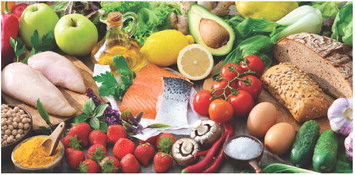
Protein helps the body repair cells and tissue and helps with immune function during illness, so try to include lean protein sources in all your meals or “feedings.” Examples include lean meats such as chicken, fish, or turkey, as well as eggs, yogurt, milk, cheese, nuts, beans, and soy foods.
Go for whole grains
Whole-grain foods—such as oatmeal, whole-wheat breads, brown rice, and whole-grain pastas—provide a good source of carbohydrate and fiber, which will help keep your energy level up. Fruits and vegetables contain antioxidants that can help in the fight against cancer. Choose a wide range of colorful fruits and veggies every day—fresh or canned—and strive to get a minimum of five servings per day.
Favor healthy fats
Fat offers a good way to get in calories even when you’re not eating much. However, it’s important to opt for healthy fats such as olive oil, avocados, nuts, and seeds. Avoid greasy fried foods. Choose baked, broiled, or marinated grilled foods instead.
Stay hydrated
Becoming dehydrated can make you feel lousy and even lead to a trip to the ER, so drinking enough fluids is essential during cancer treatment. Aim to drink 64 ounces of water/ fluid per day. Fill a water bottle with a healthy drink you enjoy and keep it next to you at all times.
Practice food safety
When you have a weakened immune system, paying attention to food safety is important to reduce your potential exposure to foodborne illness. Some foods you should avoid during chemotherapy include raw or undercooked meats, unpasteurized milk, processed meats such as lunchmeat, bean sprouts, raw honey, and unroasted nuts.
Every cancer journey is unique. Until you start treatment, you may not know exactly how you will respond. You may experience side effects such as nausea, vomiting, diarrhea, loss of taste, loss of appetite, change in smell, constipation, and mouth sores. If you experience any of these symptoms, you should contact your physician right away. Most cancer treatment centers have registered dietitians on staff, and a visit to one may be most helpful. Many resources are available, and you can reduce your anxiety about diagnosis, treatment, and side effects by being informed and having a positive attitude.
Laurie Syring, RDN/LD, is Clinical Nutrition Manager at ProMedica Flower Hospital. ✲