Have a happy, healthy National Grilling Month
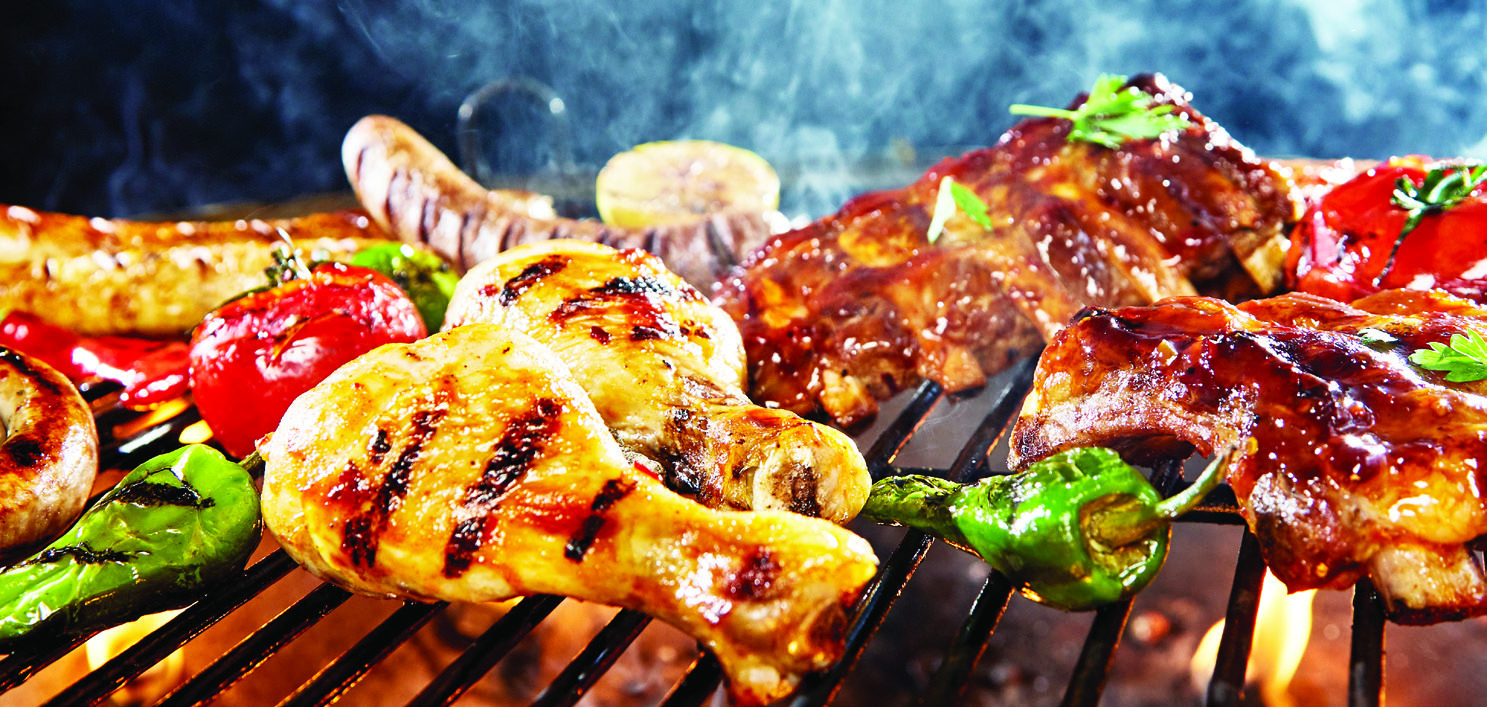
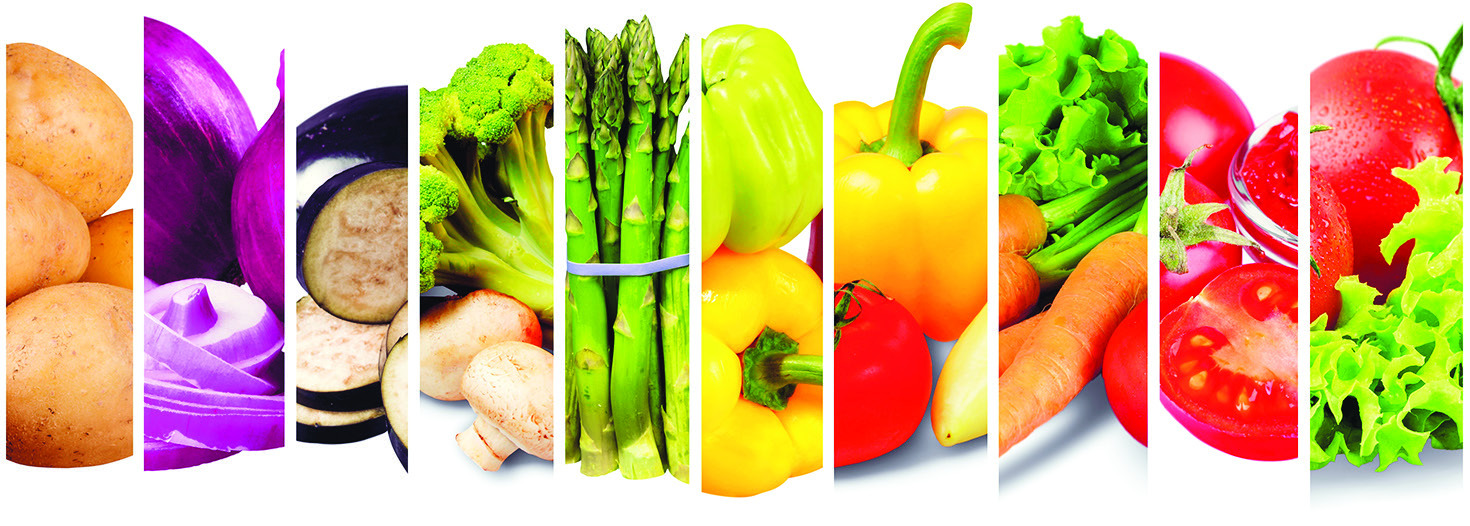
SUMMER IS IN FULL SWING, and there’s no time like the present to enjoy a little outdoor cooking as we celebrate and entertain in the sunshine. Not only is grilling an all-American pastime, but it also tends to be a healthier way to cook as it typically doesn’t involve adding fats to foods. Furthermore, we can prepare a surprising diversity of food items on the grill—from meats of all kinds to vegetables, fruits, and even pizza.
Grilling throughout history We don’t know the precise origin of grilling, but it likely dates back to our cave-dwelling ancestors who used fire to cook their freshly killed meat. A (somewhat) more recent connection is to the 17th century in the Caribbean and Spain where meat was put on sticks and placed over an open flame—a style of cooking called Barbacoa. In 1897, charcoal briquettes were invented, but it wasn’t until the 1940s, when people started moving to the suburbs after the war, that grilling became a big thing and virtually every back yard featured a grill. Then, around 1960, the gas grill became the grill to have because it was easier to use. With the passage of years came ceramic burners, the George Foreman Grill, infrared grills, and the wood-pellet and flat-top griddle grills so popular today.
Grilling tips
To help extend the life of your grill and keep your foods tasting their best, be sure to clean off stuck-on grease and food before cooking. Preheating your grill will help prevent food from sticking to the grates in the first place as well as promote even cooking.
Proper food handling is essential too. To prevent foodborne illness, wash your hands often with soap and water, especially after handling raw meat, and avoid cross-contamination of utensils and platters. Keep the food cold until you’re ready to cook it, as leaving food out in a warm environment allows bacteria to grow. Also, never leave the grill unattended to avoid over- or undercooking your food. Check your grilling times and be sure to test the temperature of your grilled foods to ensure they’re at least 140 degrees before consuming.
Do grilled meats cause cancer?
When any animal muscle meat is cooked at a high temperature—such as when grilling—cancer-causing compounds called HCAs and PAHs can be formed on the surface of the meat and in the charred surfaces. Lab experiments showed that very high amounts of these compounds—thousands of times higher than humans can ingest—can cause cancer over a lifetime of consuming them. However, according to the National Cancer Institute, population studies have not established a definitive link between HCA and PAH exposure from cooked meats and cancer in humans. That doesn’t mean it’s okay to go ahead and char your next steak well done though!
Lower grilling temperatures seem to produce less HCAs, and marinating your meat can considerably lower HCA formation. The American Heart Association recommends the following marinade recipe for grilled meats and vegetables.
3 Tbs. low-sodium soy sauce
2 Tbs. white wine or apple cider vinegar
3 cloves garlic
1 Tbs. fresh ginger
1 Tbs. olive oil Combine all ingredients and whisk together well or blend in food processor. Pour over meat or vegetables and let marinate for at least 1 hour.
Whether you’re a backyard grill master, a tailgating chef, or just a fan of the BBQ, it’s always important to remember food safety and to take steps to keep it healthy. Grills have gone from being inefficient and messy to a popular, pricey, yet always relaxing method of cooking for Americans today.
So, enjoy the outdoors—and some healthy, flavorful grilled foods—during the lingering summer days!
✲