
Let’s celebrate veggies!
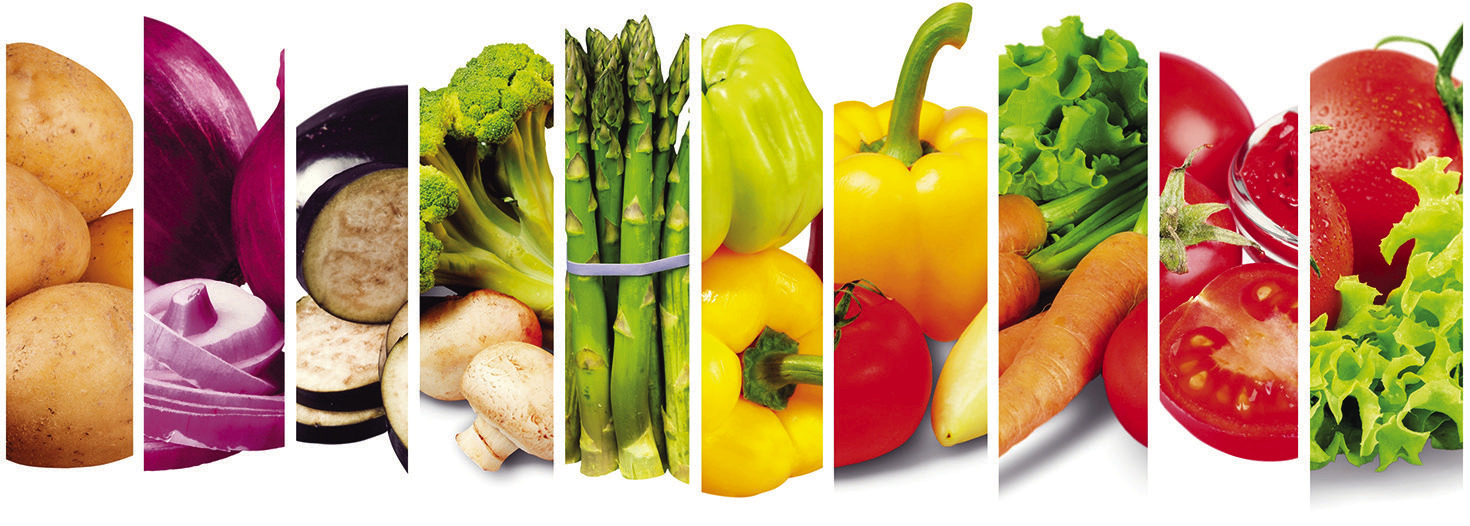
WITH JUNE BEGINNING and the growing season in full swing here in Northwest Ohio, it’s time to celebrate our favorite food group—vegetables. June 17th has been designated National Eat Your Vegetables Day for the purpose of promoting and increasing the daily consumption of vegetables. Sounds like a dietitian’s and mom’s dream come true, right?
There are plenty of good reasons to make veggies a cause for celebration. Vegetables contribute to a healthy and balanced diet. They taste delicious and are available in a staggeringly wide variety. They provide valuable nutrients your body needs, such as calcium, fiber, folate, iron, magnesium potassium, sodium, vitamin A, and vitamin C. Not only do they have vitamins and minerals, but also phytochemicals— including some that have antioxidant, antibacterial, antiviral, or antifungal properties. Veggies also contain fiber, both soluble and insoluble (nature’s broom for your intestines). Aim for 25-35 gm of fiber per day.
Studies show that eating a consistent diet rich in vegetables may help lower heart disease and type 2 diabetes. What’s more, eating ample veggies may decrease bone loss, protect against certain cancers, and help prevent kidney stones.
Hints for #EatYourVegetablesDay Despite veggies offering so many culinary and health benefits, many of us still fail to consume them as often as we should. (I often wonder why that drawer in the refrigerator is called the “crisper” when everything in there is usually rotten!) So, here are some helpful hints on how to work more veggies into your diet in celebration of Eat Your Vegetables Day:
• Eat the rainbow—Choose many different colors and textures of vegetables. My favorites are beets and cauliflower, but I like all the rest too. My kids always liked broccoli (little trees).
• The American Heart Association recommends filling half your plate with fruits and vegetables.
• Make eating vegetables fun for kids by having them pick out interesting or unfamiliar vegetables at the store, having taste tests, and trying different dips and sauces.
• Buy fresh, frozen, or canned vegetables to have on hand, as you should be eating three to five servings of vegetables a day. That would be one raw or cooked vegetable at lunch, a salad, and a cooked vegetable at dinner. Then add raw veggies for between meals as a snack.
• Add chopped vegetables like onions, celery, spinach, and potatoes when cooking soups, stews, beans, and sauces.
• You can always add vegetables to breakfast too. Add spinach, onions, and tomatoes to an omelet. Add vegetables to smoothies.
• Go to one of the many wonderful farmers’ markets we have in the area. It’s fun for the whole family to see and buy delicious fruits and vegetables.
• Try “Meatless Mondays.” Look for interesting vegetarian recipes for a filling and nutritious dinner, such as stuffed green peppers with garbanzo beans, brown rice, walnuts, and kale.
See, it really is easy to get in the three to five servings a day!
Veggie storage and rotation To prevent spoiling and help keep the veggies in your crisper, well, crisp, you must be diligent about rotating them. Remember the acronym FIFO—“First In, First Out.” Keep in mind that some vegetables, such as tomatoes, should be stored at room temperature, while others, such as cauliflower, broccoli, and lettuce, should be stored in the refrigerator to maximize their freshness and shelf life.
Being creative with recipes can help you make the most of your veggies as well. At the website allrecipes. com, you can type in an ingredient and come up with several recipes to try. For example, I bought kale for a salad and then, a couple days later, used the leftover kale in a sausage, kale, and potato soup.
I hope you’ll join me in celebrating vegetables this month to remind everyone— friends and family—to continue eating this important part of a healthy diet. But I also hope you’ll continue to find ways to eat more vegetables on a regular basis so you can enjoy the wide range of health benefits a veggie-rich diet offers, including weight loss. Whether you cook at home or eat out, try to include nutritious and delicious vegetables at every meal. Even breakfast! And be sure to add more color to your plate with a variety of vegetables.
In what creative ways are you going to incorporate more vegetables into your diet?
Laurie Syring, RDN/LD, is Clinical Nutrition Manager at ProMedica Flower Hospital. ✲
