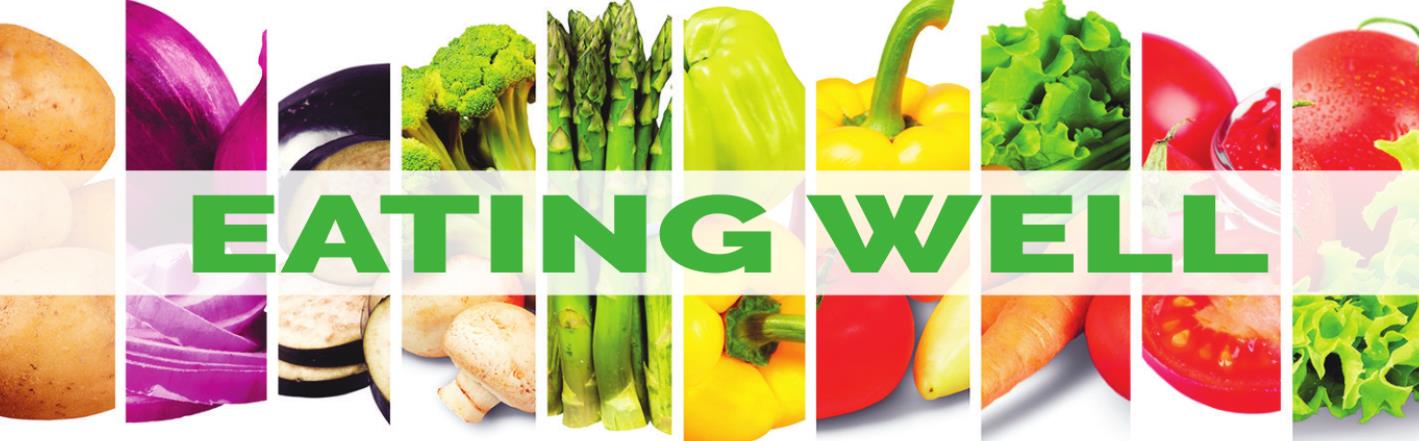
IF YOU’RE ANYTHING LIKE ME, you enjoy visiting your local farmers’ markets to buy fresh, delicious, locally grown fruits and vegetables. For this month’s column, I’d like to expand on that concept a bit and talk about a plant-based diet—a big buzz phrase for the past couple of years, as you might have noticed.
A plant-based diet is essentially an eating pattern that maximizes plant-derived foods and minimizes animal-derived foods. Broadly speaking, going plant-based is a good choice for your health, as this approach to eating is consistently associated with a lower risk of various chronic diseases, including cardiovascular disease and type 2 diabetes. It’s generally better for the environment, too.
However, in order to gain the maximum health benefits from eating a plant-based diet, you have to do it correctly. Wait, aren’t all plant-based diets the same? Well, not exactly. For one thing, not all plant-based foods are created equal in quality. Foods that are highly processed—even if they’re derived completely from plants—are not the best choices. Also, there are different levels of plantbased eating. For example, some may choose to go completely vegan, and some may choose to just eliminate red meat and replace it with legumes, nuts, and seeds. Whatever level you choose to explore, it’s important to make good choices.
Vegetarian vs. vegan vs. plant-based
Does eating a plant-based diet mean you’re a vegetarian? Again, not exactly. Vegetarians do not eat any meat, fish, or poultry, and usually choose to be vegetarian for religious, cultural, or ethical reasons. There are many different types of vegetarian diets—some do include animal products such as eggs, milk, cheese, fish, and honey.
Vegan diets exclude all foods that contain any animal products, including eggs, milk, cheese, and honey. As with vegetarianism, people usually choose to go vegan for ethical, religious, or cultural reasons.
Plant-based eating, on the other hand, is typically chosen for health reasons, and is based on whole grains, fruits, vegetables, legumes, nuts, and healthy oils. Some plant-based eaters do include meat but usually in small portions and less often. Plantbased eating is also about avoiding highly processed foods—think of white bread, most breakfast cereals, sugar-sweetened beverages, formed chicken nuggets, etc. Instead, plantbased eaters look for foods that are unprocessed, meaning in their original form, or minimally processed, meaning they’re changed just enough to make them safe for consumption, such as frozen vegetables, canned tuna, and pasteurized milk.
Typically, with plant-based diets, the objective is a diet rich in fiber, unsaturated fats, plenty of vitamins and minerals, and phytochemicals. Highly processed foods tend to be the opposite—low in fiber and high in saturated fats, added salt, added sugars, and other additives.
Plant-based options like tofu have been around for a long time. In recent years, the market for alternative foods, such as milk, cheeses, and meats, has expanded significantly, with many manufacturers making non-dairy “milk” by ultra-grinding soybeans or nuts, using those milks to make “cheese,” and making “meat” products like hamburgers and sausages from highly processed vegetables. As you might imagine, many of these are considered to be highly processed plant-based foods and are not exactly healthy choices.
So, we know that eating a plantbased diet with fewer processed foods supports healthy weight, blood sugar control, lower blood pressure, decreased inflammation, better vascular health, and a well-balanced gut microbiome—all of which are good for protecting our overall health. However, don’t assume a product is healthy just because it is plant-based. Choose nutrient-dense foods that are high in fiber, and look to replace animal-derived foods on your plate with plant-based foods, prioritizing whole and minimally processed foods.
Where to begin? First, stock up on legumes, beans, nuts, and seeds, then plan your plate to include whole grains, fruit, and vegetables. Here’s a sample plant-based meal plan to help get you started:
• Breakfast: oatmeal with berries, almonds, and flaxseeds.
• Lunch: veggie burrito—whole grain tortilla with refried beans, mixed greens, tomatoes, peppers, onions, fresh salsa, and guacamole.
• Dinner: tofu veggie protein bowl—stir fry tofu with snap peas, carrots, onions, broccoli, spinach, and almonds in 1 tablespoon of olive oil and serve over brown rice or quinoa.
• Snack: nonfat yogurt with berries and an apple with natural peanut butter.
You can also look for tasty recipes online at the American Heart Association’s website (recipes.heart.org) and at Allrecipes.com.
In time, you will get the hang of it and have your kitchen filled with what you need to make choices easy and healthy. Eating plant-based may seem restrictive at first, but it is a healthier way of eating.
Until next month, I’ll leave you with my favorite motto: “Enjoy the taste of eating right.”
Laurie Syring, RDN/LD, is Clinical Nutrition Manager at ProMedica Flower Hospital.