
Why do some people bully the sick?
A story comes from the Mayo Clinic about a patient being cyberbullied:
Roxanne Holloway is fighting an unimaginable battle—one for her daughter’s life. “I’m so overwhelmed with all of this, trying to get my daughter well, and it seems like we’re up against one roadblock after another,” she said. Roxanne has beautiful twin daughters who just turned 22, Sarah and Katie Holloway. Sarah is healthy. Her sister, Katie, is fighting for her life.
Katie is now dealing with cyberbullying messages on top of it all. She gets harassing messages sent to her about the actuality of her illness, the donations, and more. No person, let alone one who is this sick, should have to deal with this type of harassment.
Bullying appears in many life arenas: the workplace, schools and playgrounds, in homes and nursing homes, online, and basically wherever there are people.
Bullying is defined as “an act of repeated aggressive behavior in order to intentionally hurt another person, physically or mentally” (Wikipedia). It is characterized as behaving in a manner to gain power over another person. And it is a form of abuse. It can be a way a bully behaves. If you rephrase the descriptive action from “repeated aggressive behavior” to “taking frustrations out” on those who are weaker or different, bullying becomes a much more commonplace and identifiable act. In fact, it is pervasive.
There are different types of bullies and different environments in which they proliferate. There are verbal bullies, physical bullies, serial bullies, gang bullies, cyberbullies, subordinate bullies, unwitting bullies, work bullies, sadistic bullies, and psychotic and sociopathic bullies. There are bullies at work, at home, in schools, in governments, in religious organizations, on the Internet, and in social cliques.
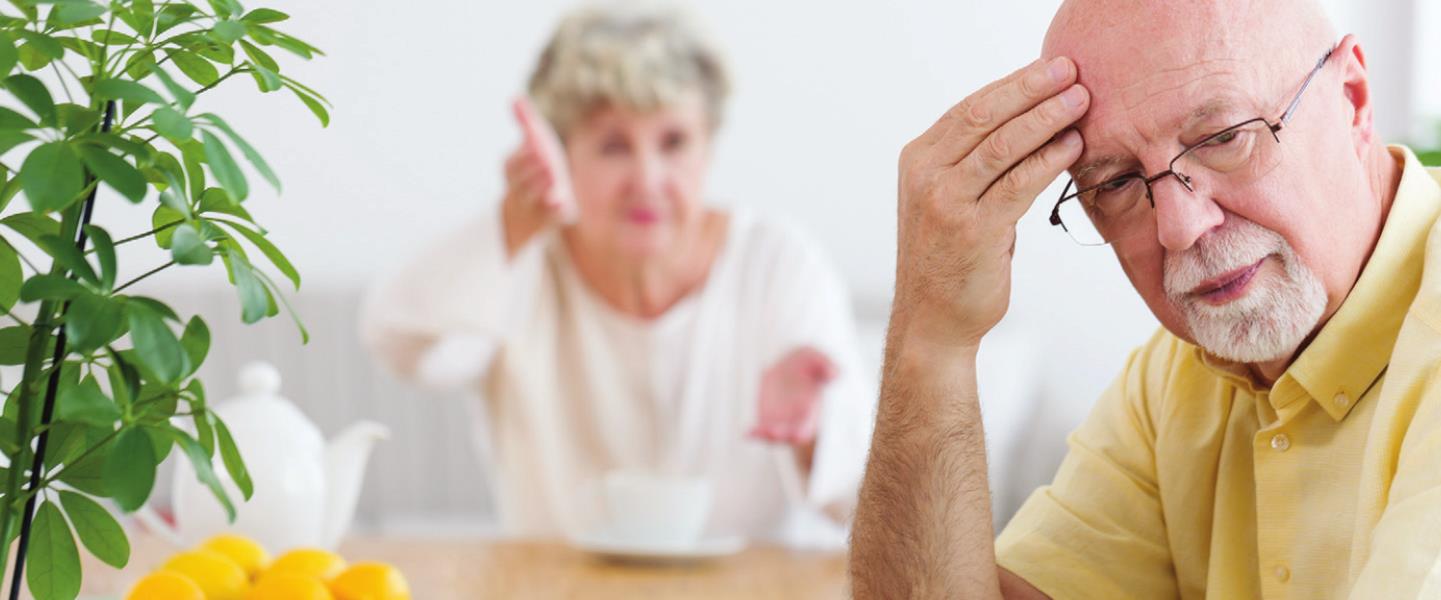
Sometimes bullies are caregivers, or family and friends of a person who is sick. They might be taking care of a person who has diminished mobility, cognition, hearing, or eyesight, and are dependent on helpers to be able to participate in life.
Sometimes a person needs a ride to a store or medical appointment. Comments from the caregiver driver might include: “You need to be in the car by 10:00 a.m.” or “Are you going to the bathroom again? You just went twice!” Those comments might seem logical, but to a person who is nervous about going out to a doctor or making it to the car, they can be stressful and hurtful.
When a person has diminished skills, like vision, some caregivers might say, “Did you comb your hair?” or “You are wearing that!?” For a person who struggles to get dressed and do their hair and shoes and grab their purse, those remarks are hurtful and shows that they do not know how difficult tasks are because of their diminished abilities.
Sometimes, a sick person asks for help with tasks. These might include taking out the trash, putting some groceries on a pantry shelf, picking up an object that dropped on the floor, or hanging up some laundry. It’s not that the sick person can’t do the activity. It’s usually because it takes them so long to do these things safely. So, when someone comes to the house, they are grateful. Doing simple tasks might take them twice as much time to do, and can be done very quickly by their caregiver. A hurtful line caregivers might give is, “What do you do when I’m not here?”
There are also medical or social directives given: “Do something.” “Go out to a church meeting.” “Do more home physical therapy!” “Cook yourself a meal.” “You have food in the pantry and stuff in the freezer.” “You are a good cook.” And on and on.
The home caregiver is not intentionally being a bully. So often, they think that they are helping their relative be independent, involved, and able to function independently. But if they put themselves in the person’s place with diminished health, they might understand that their comments are hurtful.
Most caregivers do their best caring for a loved one. Often, they come to a person’s residence at lunch hour or after work and are stressed out by their jobs and concern for their loved one’s health. They love them. But regardless of how or why it is happening, tough remarks are not right. Everyone needs to examine their words and actions.
Sister Karen Zielinski is the Director of Canticle Studio. Canticle Studio is a part of the Sisters of St. Francis of Sylvania, OH’s overall advancement effort and has a mission of being a creative center where artists generate works, products, and services in harmony with the mission of the Sisters St. Francis. She can be reached at kzielins@sistersosf.org or 419-824-3543.
