
When you can’t drive anymore
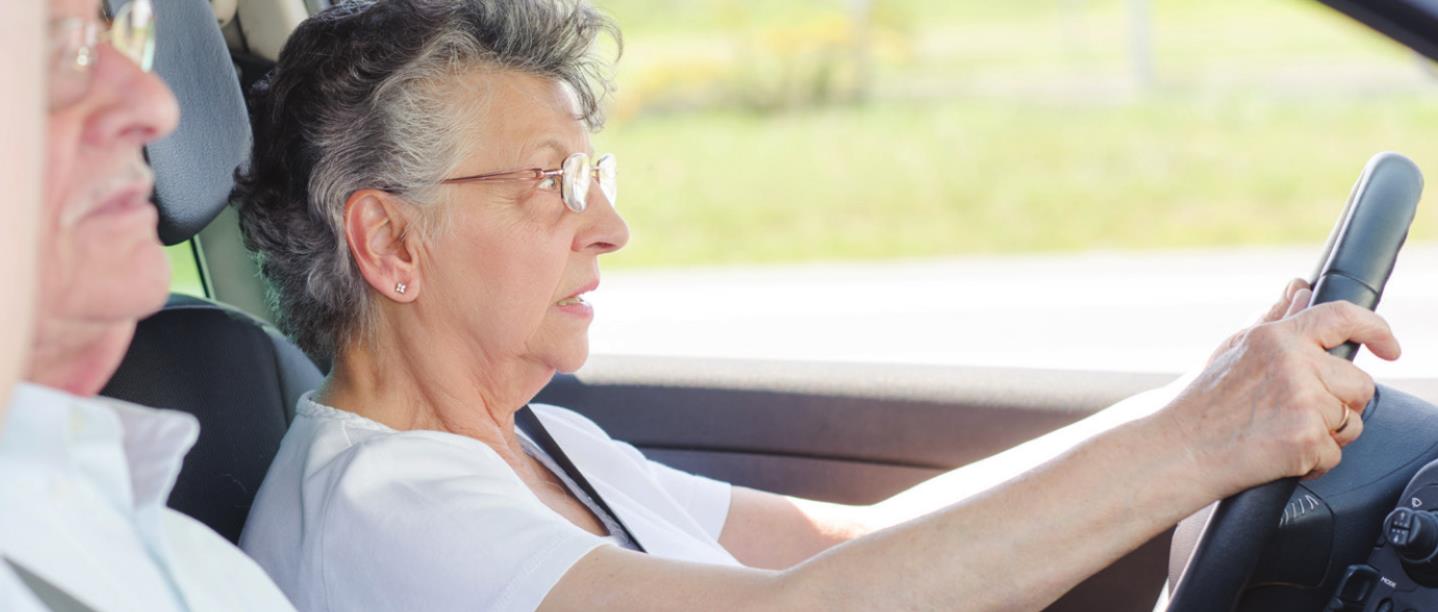
LOSSES ARE PART OF LIFE. We experience the death of friends and family. Our doctor or dentist retires, or a dear next-door neighbor moves out of town. Some losses are not that significant but still affect our lives: a local restaurant closes or our favorite hair product is discontinued. Sometimes a wonderful TV show is cancelled.
Significance of driving
Those losses might pale in comparison to a very tough one: not being able to drive anymore. Driving means personal independence, pride, and more. When we got our driver’s license years ago, it was a rite of passage into adulthood. Now, when we as adults stop driving, it is devastating and affects us in so many ways. We can feel deep personal loss, embarrassment, and anger.
More people are not driving as the number of former drivers is growing fast. The first of the baby boomers already began turning 65 last year. By 2025, 18 percent of all Americans will be over age 65 and 12 million of them will no longer drive.
To drive or not to drive
Just because a person ages does not mean they cannot drive anymore. There can be some actual driving mistakes. Some people might run stop signs or get lost because of diminishing muscle strength or dementia. That might be the time to have your driving assessed to determine whether your reflexes have slowed, your vision has diminished, or you have other physical limitations like an accident that caused a physical change. Often, after a person experiences a stroke, symptoms of dementia, or physical diminishment, their medical professional can suggest they take a driving assessment. The driving test might limit a person’s ability to drive for a period of time—like after an injury heals—and then they can drive safely the same way they did before their surgery or accident.
Clinical driving assessments can be done at some hospitals or other places. The AAA Exchange has explanations of various driving assessments on their website at exchange.aaa.com. Under “Safety,” click on “Senior Driver Safety & Mobility” and then click “Evaluate Your Driving Ability.” This site explains professional, clinical, and self-evaluations. Assessments pinpoint a person’s driving skills—or lack of them—and point to what can be done to ensure safety of both the driver and anyone who might be affected by their driving.
A number of senior citizens resist giving up driving, according to Gary J. Kennedy, MD, a geriatric psychiatrist, professor at Albert Einstein College of Medicine, and director of the division of geriatric psychiatry at Montefiore Medical Center in New York. When friends or family members are concerned about a loved one’s driving ability, seniors often don’t want to give up the independence that a car symbolizes. A 2012 survey by AAA reported that almost 90 percent of seniors said that losing their license would be problematic in their everyday lives.
Reasons for not driving
Some of the health conditions that may threaten a person’s ability to sit behind the wheel are dementia, including Alzheimer’s disease; problems with hearing or vision; stroke; Parkinson’s disease; arthritis; diabetes; or any conditions that require medications that could impair driving ability, such as anti-anxiety drugs, narcotics, and sleeping pills.
Just because a driver has a specific medical condition does not mean they must stop driving. It is about driving performance. For example, when arthritis causes stiffness or pain that affects your ability to move and handle brakes and steering, or if you have any physical pain that’s so severe it impairs reaction time, that’s a sign you should stop driving.
Planning for transportation in our communities
When we no longer drive, it hits us to the core. We can’t stop in at the grocery store, pick up a prescription, or just stop by a friend’s house. It is amazing how many times a day driving is a core part of our activities. We decide where to go and when. When we lose that independence, what do we do?
First of all, we need to plan. Is there a city bus in our community? Some apartment complexes offer shuttle busses to grocery stores, libraries, sport venues, and parks. Often, medical centers and hospitals offer some transportation services. Deliveries are available too. Restaurants, grocery stores, pharmacies, and meals from various churches and senior centers can come to your door. Our families and friends can be a great help taking us shopping or doing errands.
Secondly, if we can still drive, we can decide to go during times of the day when our bodies are not tired or it’s light out if we have trouble with night driving. Of course, if you feel stiff, or just feel a bit anxious about driving on a particular day, you should wait. Although you want to get out and about, it is critical you plan to get behind the wheel only when you feel in optimum shape to drive.
Although losing the ability to drive can be tough, it is a responsible thing for us to do. Medical professionals, family members, and friends understand how devastating this loss of independence can be, but it is for our own safety and that of others. How tragic would it be if we had an accident? That would be a loss that we could have prevented.
When a person we know must stop driving, be respectful of their loss. They are dealing with sadness, frustration, and anger. We need to stand by them in this new part of their life, which stops an activity they have done for decades. Be kind and supportive.
How would you feel if you had to give up your keys?
Sister Karen Zielinski is the Director of Canticle Studio. Canticle Studio is a part of the Sisters of St. Francis of Sylvania, OH’s overall advancement effort and has a mission of being a creative center where artists generate works, products, and services in harmony with the mission of the Sisters of St. Francis. She can be reached at kzielins@sistersosf.org or 419-824-3543.
