MENTAL HEALTH IS INCREASINGLY being seen as every bit as important as physical health. And often, experts say, the two go hand-in-hand.
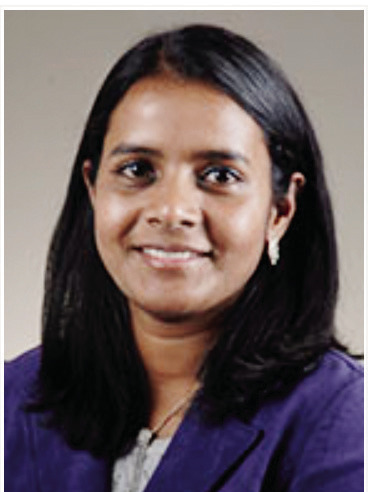
“Untreated mental illness can actually cause physical symptoms and can complicate physical ailments,” said Dr. Shalini Niranjan, a family medicine specialist with The University of Toledo Medical Center. “That’s particularly true of chronic health problems like diabetes. It can make treatment more challenging. It’s important to have a comprehensive, holistic approach.”
When patients see a primary-care provider through UTMC or The University of Toledo Physicians Group, they also have access to integrated behavioral-health services—often without even having to leave the exam room.
Embedded within every UToledo primary care practice are behavioral health specialists who can provide immediate assessments, discuss management strategies, provide short-term mental-health services, and, if necessary, facilitate referrals to community services or other mental- health professionals.
“Primary-care providers are the people you have the strongest relationship with and see most frequently. They are the people who are hearing those initial symptoms first,” said Hannah Gullikson, a licensed professional clinical counselor and behavioral healthcare manager at UToledo. “The idea is that your primary-care provider can immediately link you with one of us to address those behavioral- health, emotional-health, or mental-health concerns.”
Occasionally patients will receive a referral, but more often than not, Gullikson or another professionally licensed member of the team is on site and can immediately meet with the patient. That helps ensure patients don’t fall through the cracks.
For many patients, an annual wellness check might be the only time they interface with a care provider in any given year. Having behavioral- health services available directly within the primary-care clinic helps ensure treatment for mental-health concerns isn’t delayed.
“The earlier you catch something, physical or mental, the easier it is to address it, and that brings improved treatment outcomes. If we miss it there, they may not have this addressed again until they are back in a year or more,” Niranjan said.
Common mental-health issues the team can help with include depression, anxiety, and grief. Many patients also have overlapping mental- and physical-health concerns, Gullikson said.
Sometimes a conversation or two are all that is needed. For patients who may need ongoing care, Gullikson and her team are able to help make those connections and serve as a bridge until the patient is able to be seen. And because of their connections within the community, UToledo’s behavioral healthcare management team often can help speed up the referral process to dedicated mental-health specialists.
“I know in the community who’s taking patients, who takes your insurance, so I’m going to tailor my referrals to help ensure you get fast access to the care you need,” Gullikson said.
Having behavioral-health professionals within the same office can also help overcome some of the hurdles that experts say can get in the way of people seeking care. While primary-care providers regularly screen patients for depression and anxiety, asking them to follow up on their own can represent a challenge. UToledo’s integrated care model gets around that.
“Once I say we have somebody right here, or that he or she can get in touch with you in the next few days, that changes the whole game for them,” Niranjan said. “They feel more open to it. They see it as part of the doctor’s office. This service also gives patients a personal connection. It’s somebody I know personally and someone I trust. It’s really about the continuity of care.”
Gullikson and Niranjan also hope the care model helps overcome some of the persisting stigma that surrounds mental health concerns.
“I want our patients to know they’re not alone in this,” Niranjan said. “Sometimes patients don’t want to come forward and feel they can get over it. Sometimes you can. But sometimes you need the help. Anxiety, depression, feeling stressed is very common, but it’s also treatable. If you were diabetic, you would go get treated. I look at mental health the same way.”
✲