IN THE FIGHT AGAINST CANCER, knowledge is power. However, sometimes what we think we know about cancer is based more on popular misconceptions than on verifiable facts. Lending credence to cancer myths can be problematic for several reasons. One is that espousing cancer misconceptions can promote an exaggerated or distorted perception of cancer risk.
Another is that doing so could lead diagnosed individuals to either waste precious time in pursuit of baseless interventions or neglect to comply with treatments that are known to be effective.
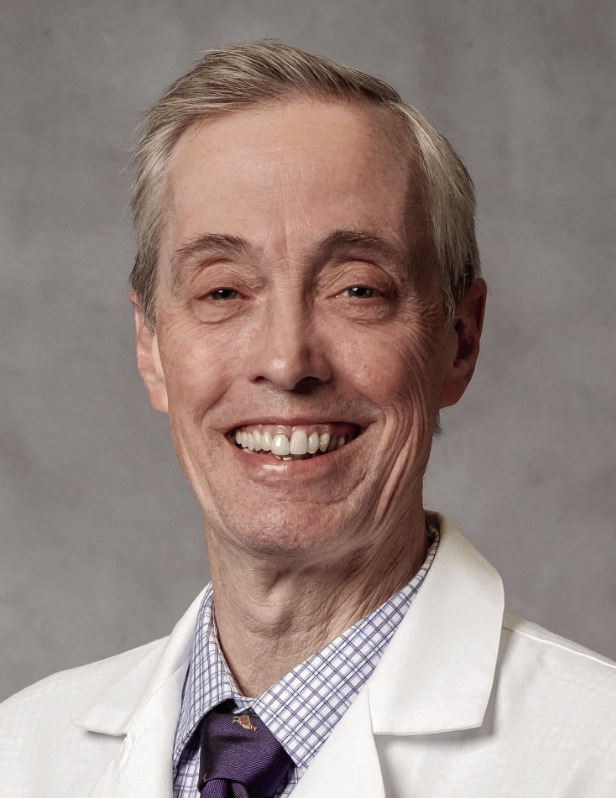
According to Rex Mowat, MD, of The Toledo Clinic Cancer Centers, a significant percentage of people in the community, embrace misconceptions about cancer and its treatment that could prove detrimental. Here are just some of the cancer myths they encounter routinely and seek to dispel:
Cancer is a death sentence While there may have been some truth to this perception in the past, the advanced therapies and technologies available to oncologists today are pushing cancer survival rates skyward. “So many people lose hope when they’re diagnosed with cancer, but overall survivorship has vastly improved—upwards of 80% for breast cancer and prostate cancer—and so many cancers are now curable,” Dr. Mowat states. “However,” he cautions, “if we base treatment on myth rather than facts, we can jeopardize cure rates tremendously.”
A particular food/supplement can prevent or cure cancer Good overall nutrition is essential in preventing and fighting cancer, but it’s important to understand that no single “silver bullet” food, vitamin, or supplement will either keep cancer at bay or kill it once it develops. Dr. Mowat notes, “The Chinese have been studying diet-based approaches to cancer treatment—and recording their findings well—for many, many years, yet they have found no solid evidence to support that it works.”
Shunning sugarwill starve cancer This misconception ignores that the body has a natural mechanism in place to ensure an adequate level of sugar is readily available. Dr. Mowat explains, “In simple terms, sugar floating in our bloodstream gets stored in fat and then gets converted from the fat stores back into sugar as needed so there’s always a ready supply. If that weren’t the case, we’d have to eat continuously to ensure our organs and tissues get the sugar they need.”
Making your body’s pH more alkaline will protect against cancer
Adopting an “alkaline diet” or drinking “alkaline water ” will not make your body less hospitable for cancer. As Dr. Mowat observes, “You cannot alter the pH of your body through diet. Unless you’re seriously ill, your body stubbornly maintains a pH of 7.4. It’s what the body’s tissues are built for.”
Cell phones and cellular networks cause cancer
Considering the relative newness and pervasiveness of cell phones and cellular networks, this concern is understandable. However, this claim has been examined again and again, and, according to Dr. Mowat, no definitive link has been found between cell phone use or exposure to cellular networks and the development of cancer.
Daily use hygiene products cause cancer Products that are applied to the skin as part of a daily hygiene routine, for example deodorants and antiperspirants, are sometimes believed to cause cancer even though there is no evidence to support the claim. Dr. Mowat points out that certain products, such as talc, do appear to warrant concern, but he adds that cases in which these types of products appear to be linked to cancer usually involve megadoses or extraordinarily excessive use.
A very common misconception Dr. Mowat hears from patients is that a simple, inexpensive cure for a particular cancer has been found but is being withheld from public knowledge in order to maximize profits. “A lot of people believe this myth, and it’s ironic because a great deal more money would be made if we actually had a cure,” he says.
“The bottom line,” states Dr. Mowat, “is that cancer is an extraordinarily complex disease. For example, lung cancer isn’t just lung cancer, but many different diseases coming out of the same organ that are lumped under one word. In addition, most causes of cancer are multifactorial—it’s seldom possible to tease out just one factor to blame.”
The Toledo Clinic Cancer Centers, located at 1200 Medical Center Parkway in Maumee and 4126 N. Holland Sylvania Road, Suite 105 in Toledo, also provides imaging, laboratory, chemotherapy, specialized pharmacy, and IV services. The cancer center consists of 13 physicians and 11 advanced practice providers. The cancer center also has satellite centers in Oregon, Napoleon, Bowling Green, Wauseon, Bellevue, and Monroe.
The Toledo Clinic Cancer Centers has earned Patient-Centered Specialty Practice recognition and Oncology Medical Home recognition from the National Committee for Quality Assurance. Oncology homes align systems and resources with coordinated care focused on cancer patients and their needs. This reduces fragmentation, supports shared decision making, and improves the patient experience. They are the first oncology practice in the state of Michigan and the second oncology practice in the state of Ohio to receive this recognition.
For more information, please call The Toledo Clinic Cancer Centers at 419-479-5605. ✲