WITH CANCER, TIME MATTERS.
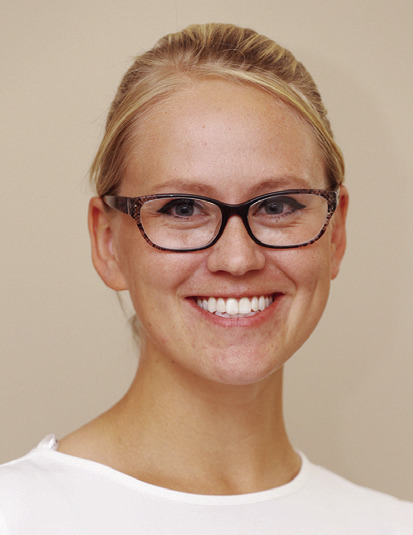
“The earlier we can diagnose cancer the better. That’s true of all cancers, but it’s particularly true of breast cancer,” said Dr. Danae Hamouda, a medical oncologist at The University of Toledo Medical Center. “If detected early, breast cancer can be cured. That’s why screening is so important.”
At UTMC and the Eleanor N. Dana Cancer Center, patients have access to the latest in 3D mammography, advanced genetic testing, and cutting-edge therapies that can treat even advanced breast cancers.
One in eight women will be diagnosed with breast cancer at some point during their lives, making it the most common form of cancer in the country. During October’s Breast Cancer Awareness Month, UTMC is encouraging all women to ensure they’re up to date on their screening.
Guidelines for when women at average risk of breast cancer should begin receiving annual mammograms vary by organization, but Hamouda recommends starting at 40, in line with guidance from the American College of Radiology. Women should continue having an annual scan until at least age 75.
In addition to conventional mammograms, UTMC now offers breast tomosynthesis, which delivers a 3D image of the breast—improving cancer detection and reducing the odds a patient will need to return for additional imaging. “For patients, the procedure is the same, but having the 3D layout allowsourradiologiststobetter visualize the breast tissue, particularlyforwomenwith more dense breast tissue,” Hamouda said. “It gives us more accurate diagnostic information.” While most breast cancers are not hereditary, about 10% of those diagnosed do have a genetic predisposition to the disease.
At UTMC, patients with a family history of breast cancer, including one family member who was diagnosed before age 51 or those with three or more family members with breast cancer, or a family history of ovarian, pancreatic, or metastatic prostate cancer may be eligible to undergo genetic testing to identify inherited breast cancer genes. “That information can be empowering,” Hamouda said. “We are what we are, and there are some things that we can’t change. But if we have this higher risk of developing cancer, we can act on that and make more healthy lifestyle decisions and participate in additional breast cancer screening.”
That might include starting annual mammograms earlier, having scans more frequently, or adding an annual MRI. Some patients may also benefit from chemoprevention drugs like Tamoxifen or preventative surgery. “Our ultimate goal is to find people who would be at the highest risk of developing cancer and offer strategies for risk reduction and screen for cancer earlier and more often to try to prevent breast cancer or find it at an earlier, more curable stage,” Hamouda said.
Regardless of someone’s individual risk, Hamouda said many of the same practices endorsed for overall health—getting regular exercise, maintaining a healthy body weight, limiting alcohol use—can be protective against breast cancer.
For those who are facing a breast cancer diagnosis, UTMC has a team of experienced surgeons, oncologists, radiologists, pathologists, and nurses at the ready to provide care that’s tailored to an individual’s specific cancer. “What makes care at the Eleanor N. Dana Cancer Center unique is the personalized approach that we take,” Hamouda said. “Not all breast cancer is the same, and not all patients are the same. We want to take into consideration each patient’s goals and preferences while building a treatment plan that will be most effective for their specific cancer.”
In addition to the latest technologies and treatments, including opportunities for patients to participate in clinical trials, UTMC has a robust support team that includes social workers and registered dietitians to help ease the burden of cancer treatment. UTMC also offers lymphedema therapy through Outpatient Rehabilitation and Therapy Services, and hosts Renee’s Survivor Shop.
The Eleanor N. Dana Cancer Center is accredited by the American College of Surgeon’s Commission on Cancer, recognizing its continued dedication to providing high-quality cancer care. To schedule an appointment at the Eleanor N. Dana Cancer Center, call 419-383-6644. Tyrel Linkhorn is a communications specialist at The University of Toledo. ✲