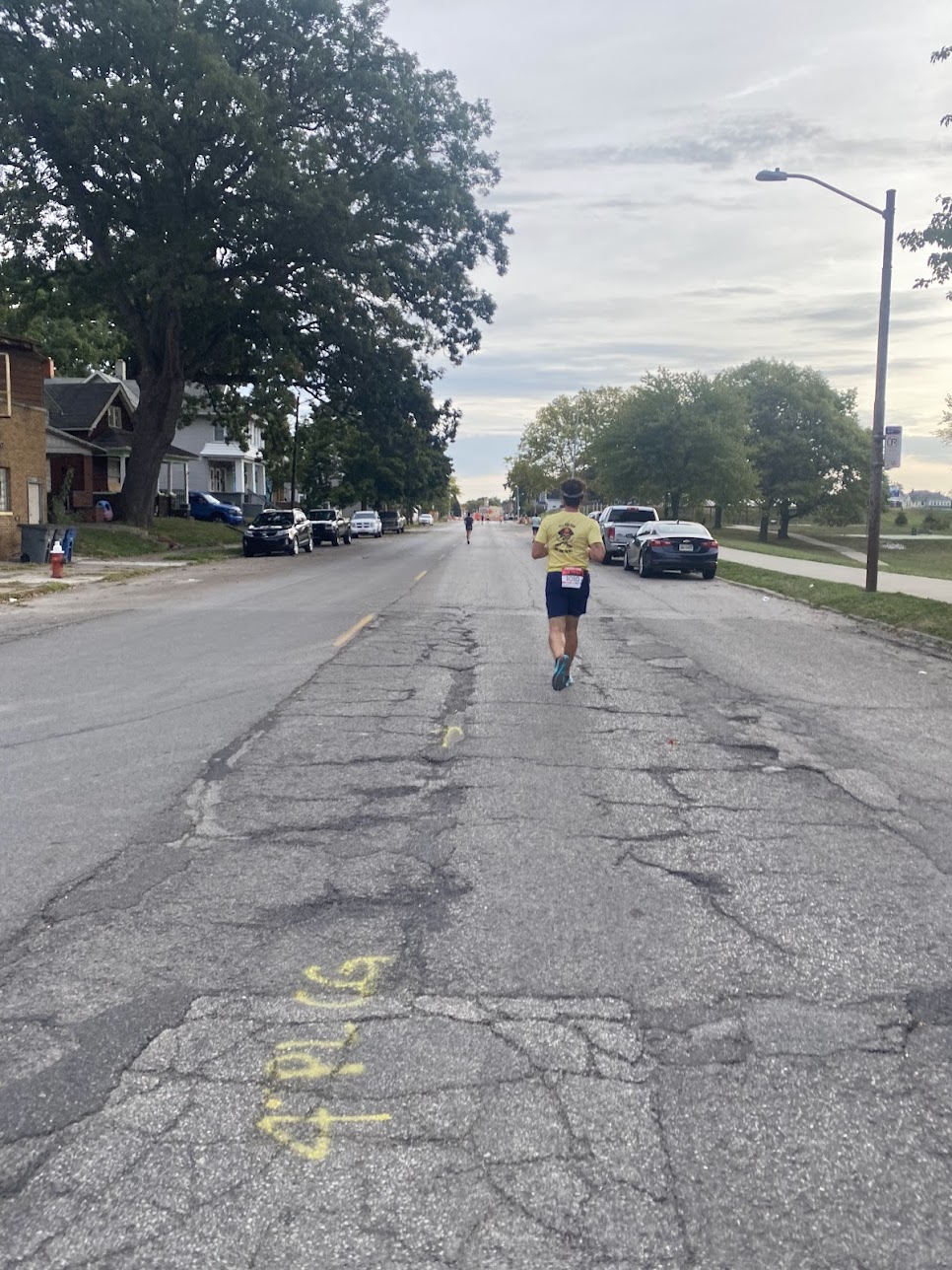
HAVE YOU EVER EXPERIENCED THAT EUPHORIA, that feeling like you could run forever during a run?
The kind of euphoria that creates a long-standing elevated heart rate that floods your body with blood and oxygen. Introducing your brain to chemicals that make you think you're invincible. When you can pump your legs in rhythm with no pain, and that moment when you feel happiness you haven’t felt in a long time. This is called a runner's high.
I experienced this last year during my first Garmin Half-Marathon race. I ran my first marathon in 2:04:48. My goal time to run the race was two hours and 15 minutes. I intentionally took steps that helped prepare me to run my best race.
Here are the steps I took to prepare.
•Drink protein before a long run and eat some carbohydrates.
I made toast with peanut butter and brown sugar. I also made a protein drink to take with me. I ate the toast and drank the protein on my way to the race. It was best to eat something light beforehand, or I would be running on an empty stomach.
•Give yourself time to wake up. I become unmotivated to run when I feel like I have to wake up and run immediately. Although a race is typically early in the morning, allowing myself the time to wake up and get ready puts me in a runner's mindset in the morning.
•Be prepared. I packed my bag and got things prepared the night before so that I didn’t forget anything, nor did I have to rush around in the morning. I even wore my running clothes for bed, so it was one less thing I needed to do to get ready.
• Wear the right running shoes. This made all the difference during the race.
I bought new shoes to train in, but during a long run, my feet got numb, and it was affecting my gait, which can lead to injury. Although they say not to run in old running shoes, I knew I was not having any issues with my Asics. My feet did not go numb during the race. Wearing the proper shoes on race day caused me to have no issues that were affecting me while training.
•FIGHT the urge to follow the crowd during the first mile.
I promise that if you go all out for the first mile, you will burn out before the race begins. I went about 30 seconds to a minute slower in the first mile to really get my body warmed up and motivated to run the remaining 12 miles. Then I was able to catch up on my pace without burning out.
•Focus on pace, not on how fast you can go.
Experts claim that to get a personal record or push yourself in a race to try to stack your speed. That would mean you start at one speed and then speed up each mile, even by a few seconds. I would argue that stacking your speed forces your body and brain to push beyond normal limits, causing burnout.
I don’t know the research to back this up, but everyone has those miles they resist. A healthy pace is a good indicator that your body can endure through the miles your body resists.
•Find what caffeine and energy works for you.
I ended up getting Honey Stinger energy gummies instead of the gels because they were out of stock at the store. I found that it tastes better, and when I'm chewing something while running, it forces me to focus on breathing. Be careful, though, so you don’t choke as you run. As odd as it may be, I was even taking protein bars with me on long runs during training. I discovered it was giving me energy and helping me focus on my breathing.
•Go against the grain as you train.
Things come up unexpectedly that no one can control; therefore, going against the grain helps prepare you for anything.
First, I would recommend running on different trails. This prepares you for terrains and uneven elevations.
Then, run at different times during the day. I’m not saying don’t keep a consistent schedule. I resist running in the morning, but during training, I got through that and went on long runs on Saturday morning.
Train your body to adapt to different temperatures if you live somewhere where the seasons change. I thrive in the heat, but I also trained over the summer in the middle of the afternoon when it was the most humid. I’m not saying it was fun, but it did pay off during the race. And as much as I am dreading the cold, it will pay off, too!
Finally, run on all the hills, run up those hills like your life depends on it. It trains your body for endurance and agility. Hill training keeps your mind sharp and your body prepared.
•Listen to your body. This is the most important one. I intentionally did these things, listening to how my body was responding. Things going on in your body are an indicator of something off, and if it is ignored will cause injury or setbacks. So it may mean adjusting and finding ways to keep up those miles and not lose motivation.
What matters to prepare for a race is to deal with setbacks when they happen. ✲