SECULAR CELEBRATIONS OF THE HOLIDAYS tend to focus exclusively on superficial and commercial aspects of the season—lights, decorations, carols, cookies, gift-giving, feasting, visits from Santa and his elves, etc. You could almost say that, from a secular standpoint, these elements are the holidays, in and of themselves.
However, at The Gardens of St. Francis, a CHI Living Community, special emphasis is placed not just on festive trappings and traditions, but on the actual “reason for the season”—the underlying, profoundly sacred origin of the Christmas holiday. Residents of the facility, many of whom chose to live there in no small part due to its connection with the Catholic Church, find joy and comfort in this more religious observance of the holidays.
“Christmas isn’t just about buying things, lights, decorations, and Santa Claus,” states Sr. Nancy Surma, OSF, VP of Mission Integration for CHI Living Communities. “We go back to the original meaning, which is the birth of Jesus. God sent his only Son to the World to reveal His love and mercy to us in a concrete way. All the other things that have become associated with Christmas over the years aren’t bad, but we shouldn’t allow them to obscure the deeper meaning of the holiday.”
In fact, as Sr. Nancy points out, many of the decorations and symbols we commonly associate with the Christmas season have deeper religious roots, even if we don’t realize it or have forgotten. Take the traditional Christmas tree, for example. Pines, spruces, and firs are the trees of choice for Christmas because, as evergreens, they remind us that God’s love for us is evergreen—it never wilts, fades, or drops off, but is constant.
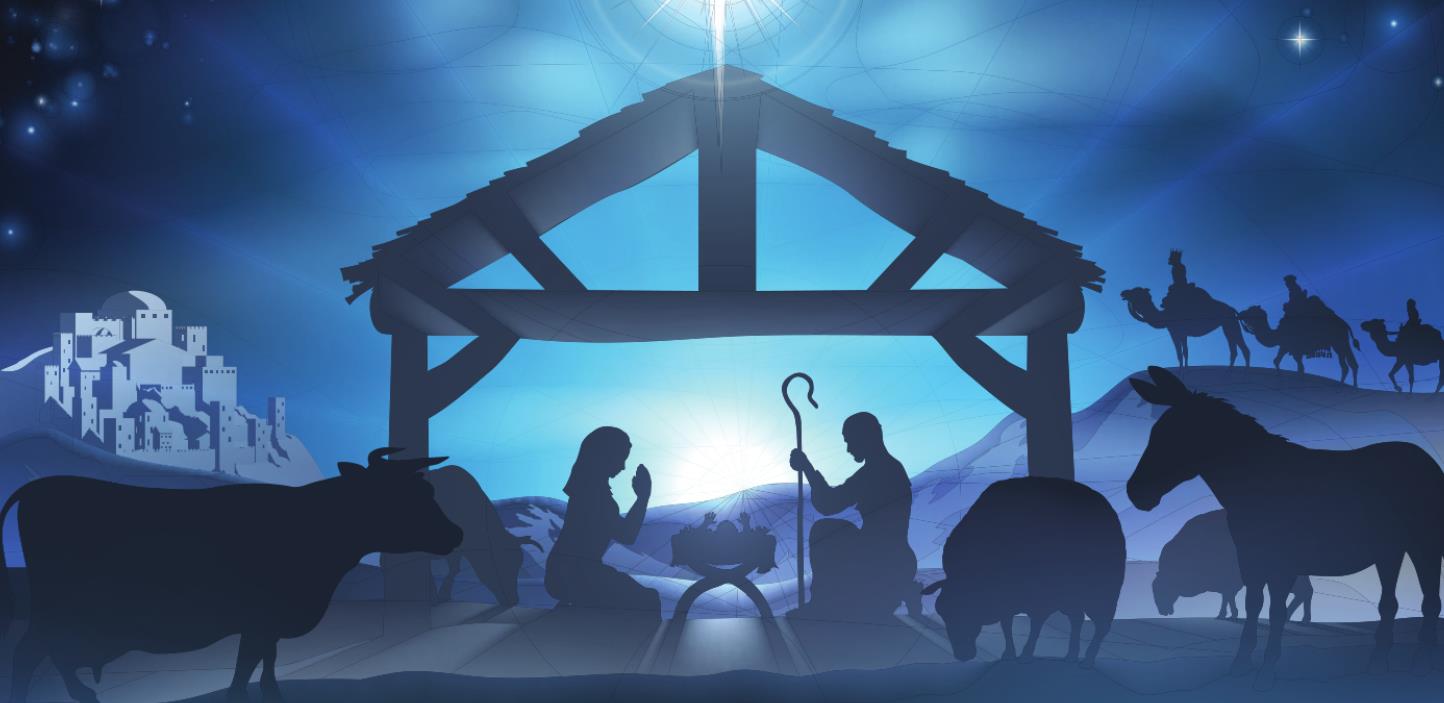
Sr. Nancy further explains that some of the traditional ornaments with which we adorn our Christmas trees also have religious connotations. The popular star-shaped tree topper actually represents the Star of Bethlehem, which guided the Three Wise Men to Christ’s birthplace in a Bethlehem stable with its light. Angel tree-toppers hearken back to the angels who revealed to shepherds in the countryside near Bethlehem that Jesus was born.
Though The Gardens of St. Francis focuses on the deeper meaning of holiday traditions, the staff does indeed decorate the facility for the holidays. They just approach holiday decorating in a slightly different manner than many other places do. “For example, we have a beautiful, exceptionally large chapel here on campus, called the Sacred Heart Chapel. Because we’re a Catholic facility, our practice is to leave the chapel fairly stripped down in terms of decorations during the season of Advent until just before Christmas Eve. We do this to remind ourselves that Jesus came into the world and Advent is a time to prepare to welcome Him into our lives.”
The Gardens of St. Francis staff also holds off decorating the rest of the building for Christmas until after Thanksgiving so this important day isn’t overlooked. Sister Nancy remarks, “Thanksgiving is a beautiful day that calls us to gratitude and recognition of God’s bounty, and we don’t want it to get lost in the holiday ‘shuffle.’”
Sister Nancy is pleased to announce that The Gardens of St. Francis will have an outdoor manger scene on display for the Christmas season—a feature that has its origin in the facility’s namesake, St. Francis of Assisi, back in the 13th century. She explains that Francis, who served as a deacon, was planning to celebrate Christmas Mass in the small Italian village of Greccio. “Francis was wondering how he could help the people there recognize that God humbled Himself so much that He came to earth as a little, meek baby. So, he had a manger, hay, and some sheep brought in and then read the gospel story of the Nativity to give them an idea of the humble circumstances Jesus was born into,” she says.