THE ARRIVAL OF WARM WEATHER CAN BE A WELCOME RELIEF for those who experience a winter’s worth of snow, ice and sub-freezing temperatures.
While a spring thaw may usher in the return of flowers and more time spent outdoors, warmer seasons also mark the return of pests that can cause illnesses.
Tick territories are expanding Ticks are prevalent in many parts of the country and their territories are expanding due to climate change. The Centers for Disease Control and Prevention says tick territories are rapidly expanding into higher altitudes, and even stretching into Canada. Milder winters and increased wildlife hosts are two reasons. This has led to a surge in Lyme disease in recent years.
What are ticks?
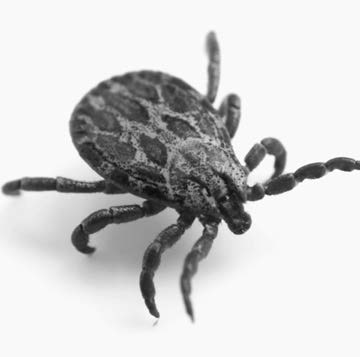
Ticks are commonly thought of as insects, but they actually are arachnids like spiders. With two sets of four legs and sharp mouth parts that cut into the skin, ticks are parasites that feed on blood. Ticks are opportunistic feeders, and will attach to pets, wild animals and people. They do not jump or fly, but rather “quest;” waiting on vegetation to latch onto a passing host.
Ticks survive winter by living underground. As soon as the weather warms to 46 F (8 C), they become active again and start looking for food hosts. Ticks are usually active from March to November, says the National Institute of Health (NIH). When a person or animal brushes up against tall grass or shrubs, the tick will grab on. They don’t normally bite right away, but seek areas of soft skin. Then the tick uses its mouth parts to cut into the skin and insert a feeding tube, which also serves as an anchor. It then feeds until it is full, often swelling up several sizes in the process. The NIH says sometimes a tick can stay latched on for up to two weeks if it isn’t found and removed.
Disease vectors
Ticks are major vectors of disease. Unlike mosquitoes, ticks don’t bite and then move on. When they bury their heads into the skin they can pass on illnesses; ticks can transmit bacteria, viruses and parasites into the blood. Several illnesses can be traced back to ticks, including Alpha-Gal syndrome, Anaplasmosis, Colorado Tick Fever, and Ehrlichiosis.
However, most people are familiar with the connection between ticks and Lyme disease. The CDC says Lyme disease is almost exclusively transmitted through the bite of an infected black-legged (deer) tick. There is no credible scientific evidence that Lyme disease spreads between humans via sexual contact, kissing or pregnancy.
Avoid ticks
Wearing long pants outdoors and inspecting the body for ticks can reduce the risk of being bitten by a tick. It’s also important to check pets and use repellents, as companion animals can track ticks indoors where they can end up on people, too.
Making backyards less hospitable to ticks also can help. Keeping the lawn short, removing brush and leaf litter, and creating a threefoot barrier of wood chips, gravel or mulch between wooded areas and lawns can keep ticks at bay. ✲