FEBRUARY IS AMERICAN HEART MONTH, a national observance to raise awareness about heart disease.
This month is about encouraging people to learn about risks, adopt a heart-healthy lifestyle, and have blood pressure and lipid levels checked.
Heart disease is the leading cause of death in the U.S in men and women. High blood pressure is the leading cause of heart disease.
Heart disease is costly, with rising prices of health benefits, medications, and lost productivity amounting to more than four billion dollars.
Making healthy choices like eating well, being active, and maintaining a healthy weight can help with the prevention of heart disease.
Once heart disease is diagnosed, controlling blood pressure and cholesterol levels are key to managing and preventing further problems.
One of the best approaches to keeping your heart healthy and reversing the progression of heart disease is a vegetarian diet. A vegetarian diet is also beneficial for brain health. A pescatarian diet, perhaps, is a good option if you find it difficult to cut out meat altogether, and you still want to avoid red meat or poultry.
Never heard of a pescatarian diet? What is it, you may ask? The word pesce is Italian for fish. Arian is the suffix that indicates a person who advocates, believes, or associates with something.
A pescatarian diet is a vegetarian diet incorporating fish. Incorporating fish into your vegetarian style of eating usually makes it easier to follow and maintain.
This type of diet is essentially a plant-based eating plan, supplemented with fish and shellfish. Some vegetarians continue to eat eggs and dairy, such as an ovolacto- vegetarian who also eats fish.
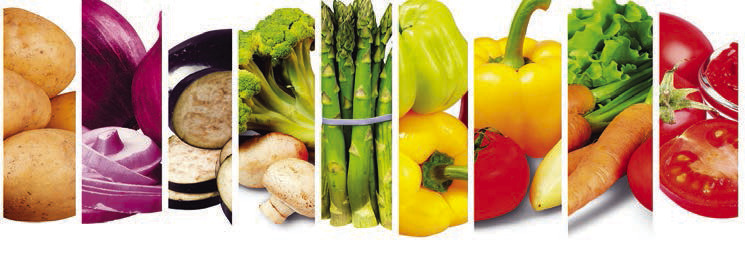
Dieting in this way can include plenty of grains, fruit, legumes, nuts, and seeds, which can result in a high-fiber diet. It is recommended to aim for 25 grams of fiber in your diet.
When you incorporate fish into your diet, it adds protein, vitamin D, iron, selenium, zinc, and B12. Lean fish, such as salmon, tuna, mackerel, and sardines, are rich in omega-3 fatty acids. Omega–3 fatty acids are a heart and brain-healthy oil. It is important to aim for at least two servings of fish per week.
Healthy meal ideas:
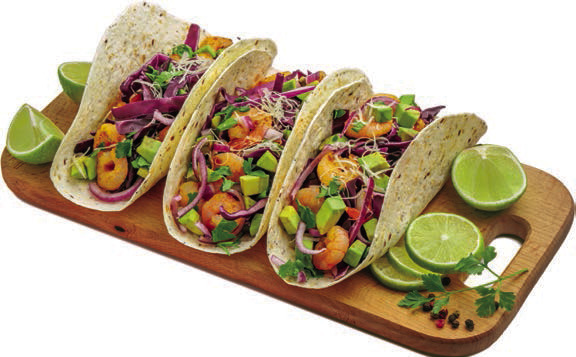
•Make Taco Tuesday with fish or shrimp tacos.
•Top a salad with pasta, salmon, or shrimp.
•Make a shrimp pasta, with noodles and replace beef with shrimp.
•Add scallops or shrimp to stir fry, make salmon burgers, flake leftover fish or shellfish in omelets or a frittata, or grill a fish fillet for a hearty sandwich.
Being born and raised in Toledo, Ohio, I know it is known for fried perch and walleye from the beloved Lake Erie, and I understand the temptation to eat fried fish every Friday. All I can say is “all things in moderation.”
As an alternative to fried fish, try choosing baked or boiled fish. If the option is fried fish, try to eat low-fat food that day and the next day to allow your “fat budget” some extra grams.
Another concern to be aware of in adding fish to your diet is the traces of heavy metals that can be found in fish.
The FDA recommends caution with larger fish such as swordfish, shark and orange roughy. This is especially important for pregnant or breastfeeding women and young children.
When you buy fish, look for those produced sustainably and choose stores that are transparent about where the fish comes from, where it was imported or exported, and if the fish is farm fresh or if it is wild caught. A good resource is the Monterey Bay Seafood Watch (seafood. watch.org), which can help you with the options available and what choices best serve your dietary needs.
Research shows that people who eat fish have a lower risk of developing vascular brain disease, such as stroke, compared to those who do not eat fish.
Research of Seventh Day Adventists reported that those who follow a vegetarian diet tend to live longer than omnivores. The longevity boost was even greater for those who are pescatarians, who had a lower rate of developing strokes, dementia, or Parkinson’s.
Please discuss heart health with family, friends and healthcare providers.
It is important when dieting to check your “numbers” for blood pressure, cholesterol and lipid levels. Don’t forget to act by making small changes to improve your heart health, like moving more, eating fish twice a week and eating better on most days.
Wear Red is on Friday, February 6, in support of heart awareness month.
Laurie Syring, RDN/LD, is Clinical Nutrition Manager at ProMedica Flower Hospital. ✲