

Sponsored by Wood County Park District
HEADED WEST FROM LOUISIANA TO TEXAS on I-10, the first challenge we face is the Rainbow Bridge. At its highest point, the roadbed is 177 ft. above the water— about 20 stories. The thing is that the climb is as steep as a Cedar Point roller coaster. The view of the sky is blocked until you are over the crest and descending.
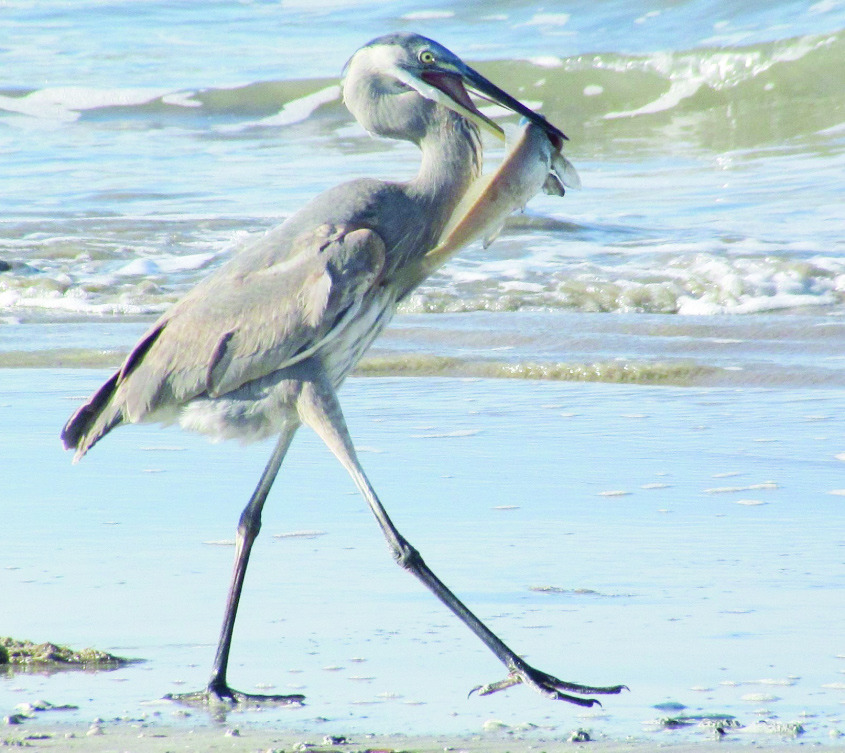
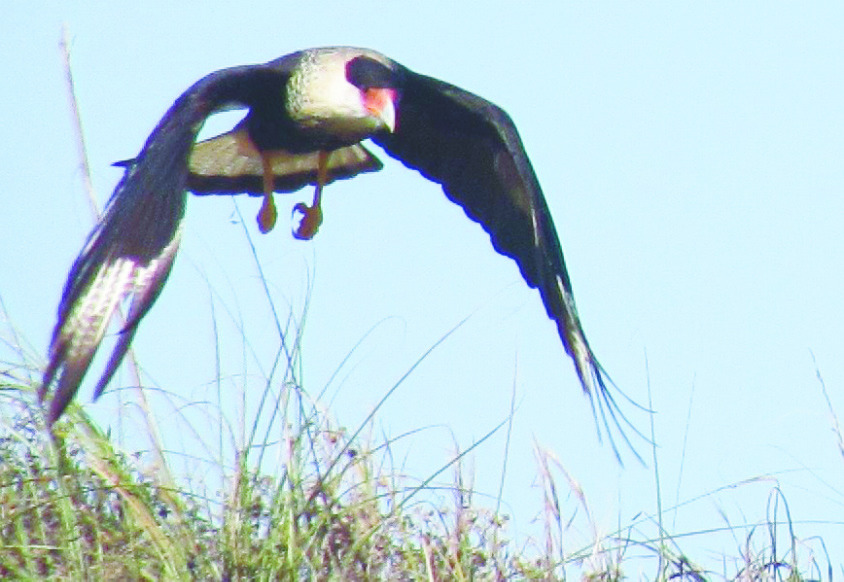
We can catch our breath as we safely head into the flatlands of East Texas, through Houston to Corpus Christi and Padre Island National Seashore. Compared to the Gulf islands near Pensacola, this national park is a barrier island, which means it features beautiful beaches and abundant wildlife. There are the usual shorebirds as well as pelicans and the caracara, or Mexican eagle.
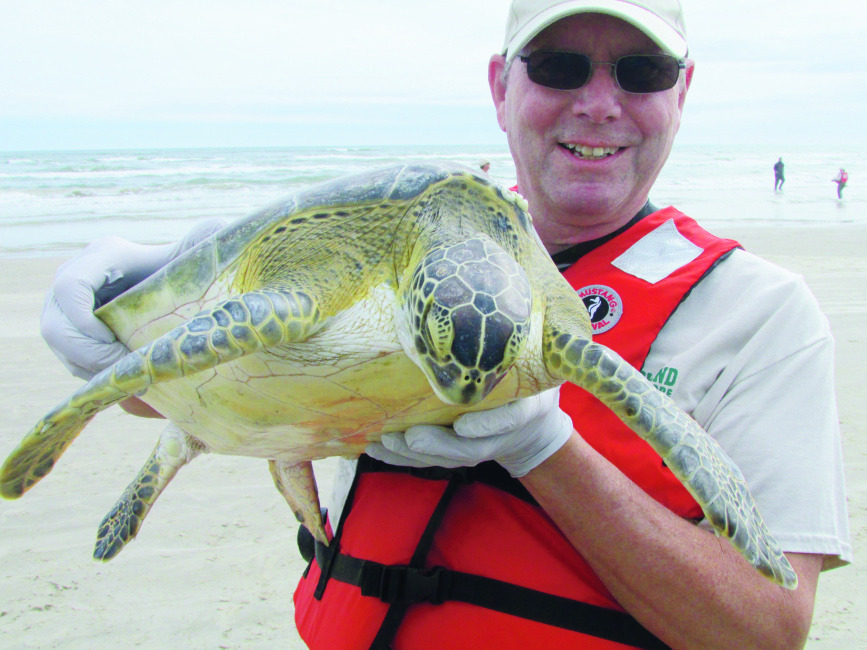
A rare occasion on our visits was experiencing the release by rangers and volunteers of about 50 coldstunned Ridley Sea turtles. During the winter, even in South Texas, temperatures drop enough to coldstun these turtles.
The turtles are rescued and sheltered from predators until they are capable of fending for themselves in the open Gulf waters. The rangers collect eggs to keep them safe and protected from being endangered. About 100 eggs at a time are incubated until the hatchlings are ready to be released.
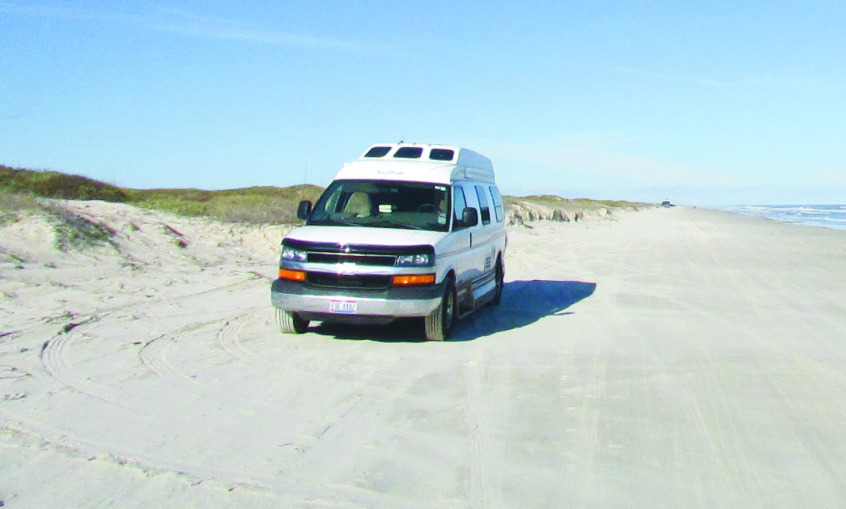
I think back, before COVID, we often stayed at Malaquite Campground, in Corpus Christi, located within Padre Island National Seashore. Even so, my wife and I would park our camper right on the hard-packed sand beach. At first, we had the beach to ourselves, but eventually we were joined by surf casters, beach combers, and other RVers who kept a courteous distance at the time.
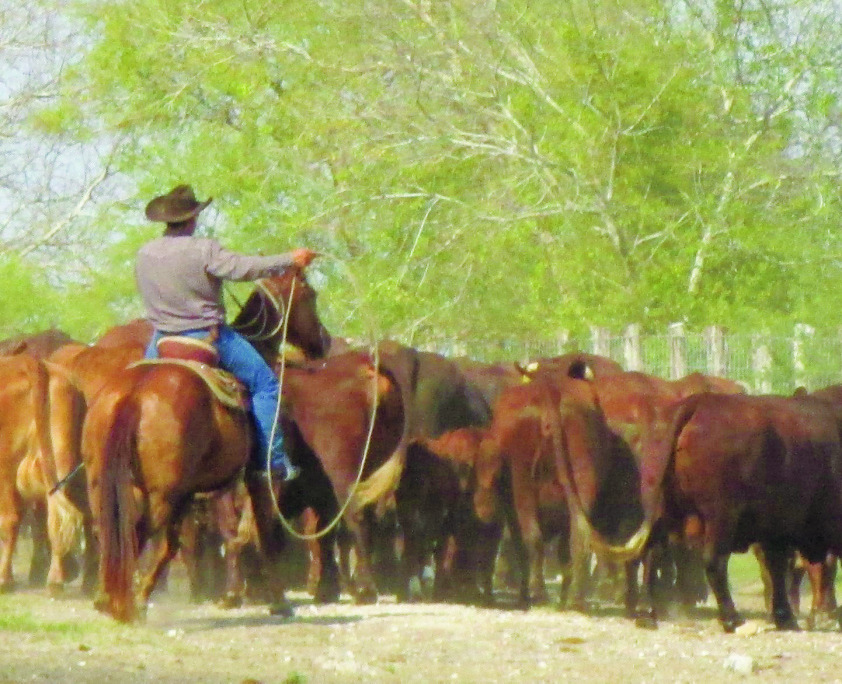
From Padre, we then visited the nearby King Ranch that was established in 1853 by Richard King. The ranch is 825,000 acres- about the area of Rhode Island, and is still a working cattle ranch. Tours show visitors the historic and current ranch buildings and operations.
King Ranch took part in the early cattle drives of longhorns to railheads up in Kansas.
They actively engaged in selective breeding to improve the quality of the herd.
Their Santa Gertrudis, for example, is a cross of Brahman bulls with British Shorthorns that became the first officially recognized new breed in America.
The ranch also produces championship Quarter Horses and Thoroughbreds, including Triple Crown winner Assault.
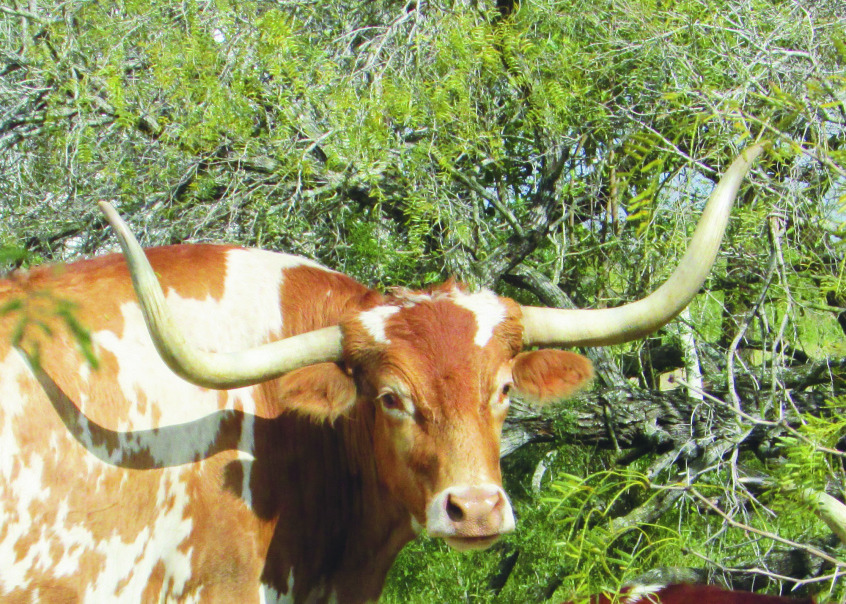
There are a few longhorns to preserve the gene pool and for tourists who expect to see “real Texas cows.” From the ranch, we continued west to Laredo, then through Eagle Pass and Del Rio along the river up to Langtry.
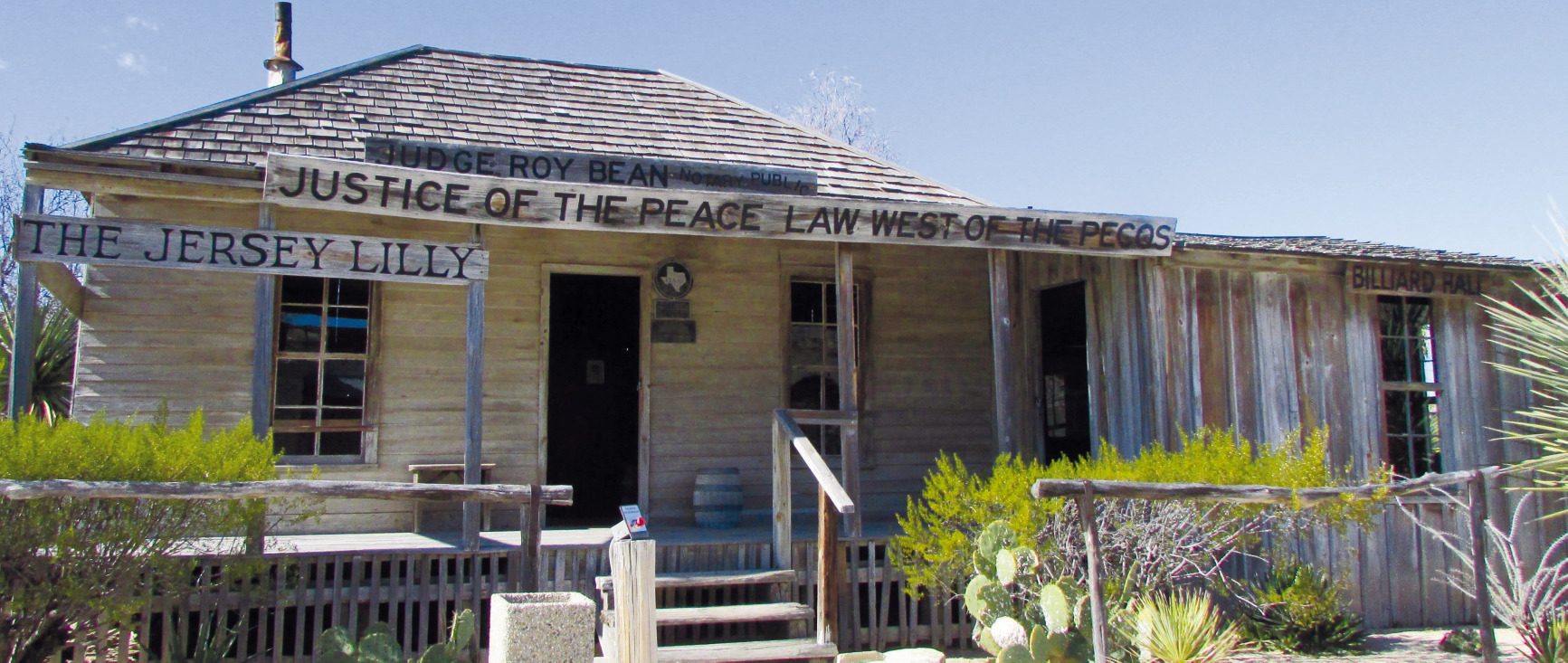
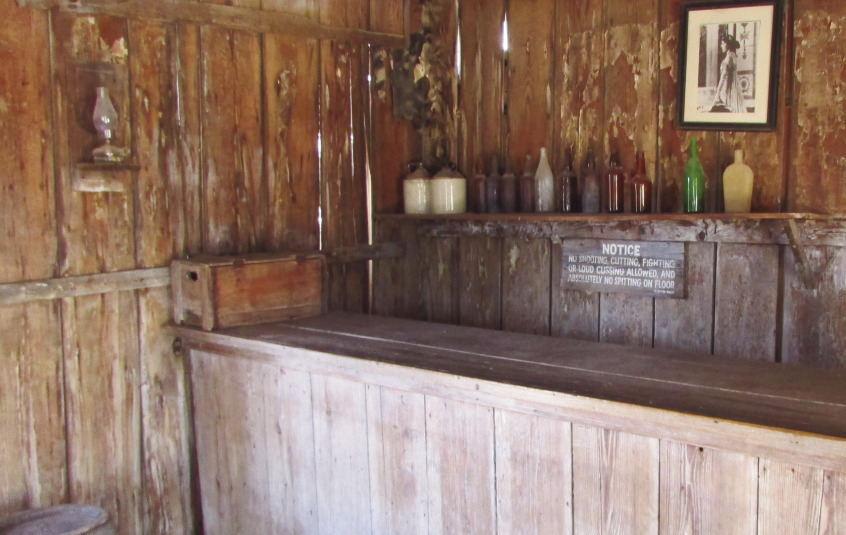
The tourist attractions there are the Jersey Lilly Saloon, law court, and home of Judge Roy Bean, the self-proclaimed Law West of the Pecos.
n Perhaps you will remember Judge Roy Bean from the Gary Cooper movie “The Westerner” with Walter Brennan as Bean.
The character was also played by Paul Newman in The Life and Times of Judge Roy Bean.
As for the older generation, you may have watched the TV series in the 1950s starring Edgar Buchanan.
Bean developed a reputation as a “hanging judge” but he only sentenced two to hang and one of them managed to escape.
His usual practice was to fine defendants’ whatever cash they had in their pockets to withhold for himself as “court costs.” The Jersey Lilly Saloon was temporarily converted into his court room. The saloon was named for internationally known British actress Lillie Langtry who was billed as the Jersey Lily. (She was from the British island of Jersey.)
Bean became infatuated with Langtry though he never met her.
The town, Langtry, Bean named after her began as a railroad construction camp called Vinegroon. Langtry is still shown on the map as a town but realistically it isn’t–unless you count his saloon, house and windmill as a town.
There is a community center directly across the highway. The community resides on widely scattered ranches spaced out.
Our usual route from Padre Island leads us to San Antonio, where I visited for the first time on business. Another of the tourist attractions downtown is a cruise on the very narrow San Antonio River, that looks as wide as a sidewalk. Tourists can sit at one of the dozens of tables at the edge of the river, enjoy a nice dinner and have a fancy drink or two.
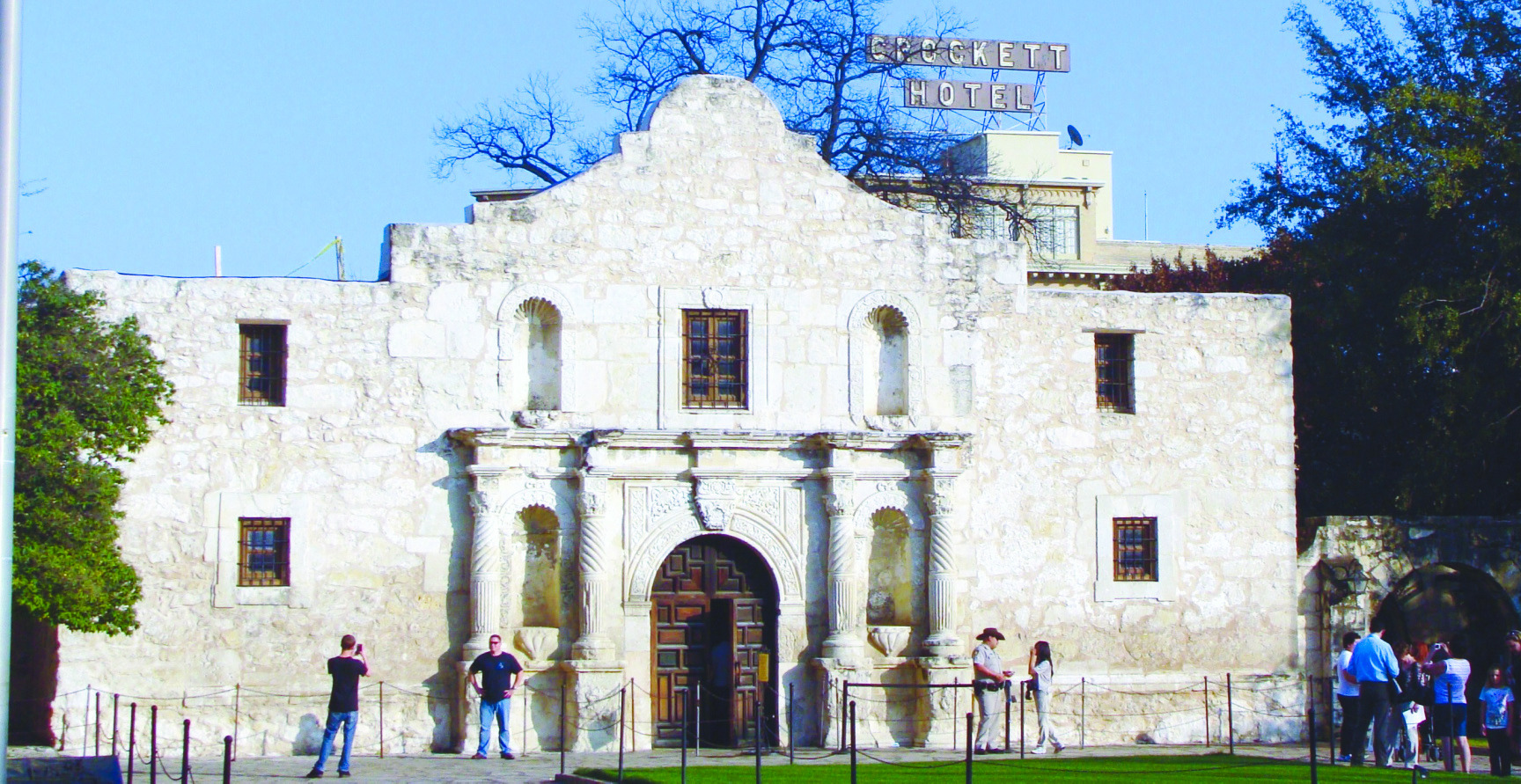
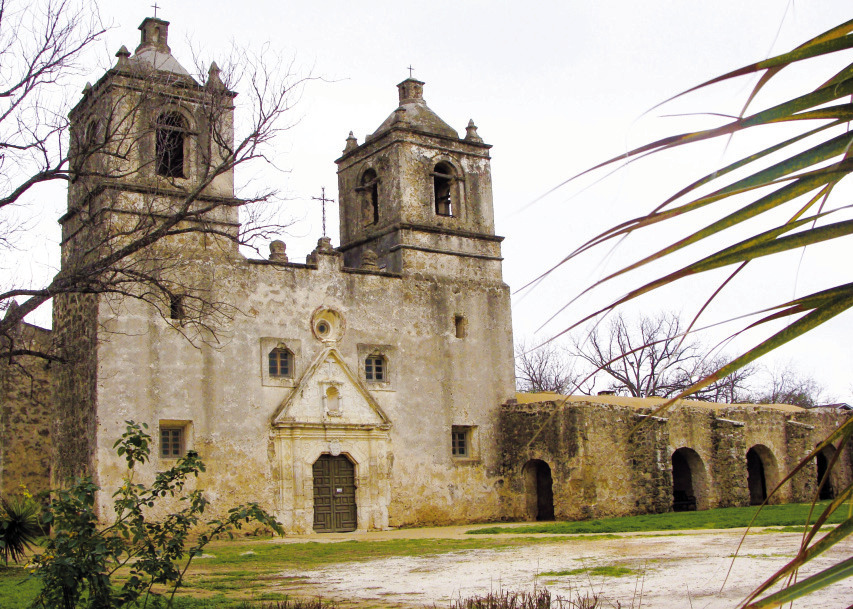
The Alamo started out in 1718 as the Mission San Antonio de Valero, but was converted to barracks by the Mexican Army. After the must see visit of the Alamo, consider continuing to San Antonio Missions National historical Park, a national historical park in Texas that includes: Concepcion, San Jose, San Juan, and Espada. Travelers today can reach these historic parks from downtown in a matter of minutes. The churches at the national park are still active Catholic parishes.
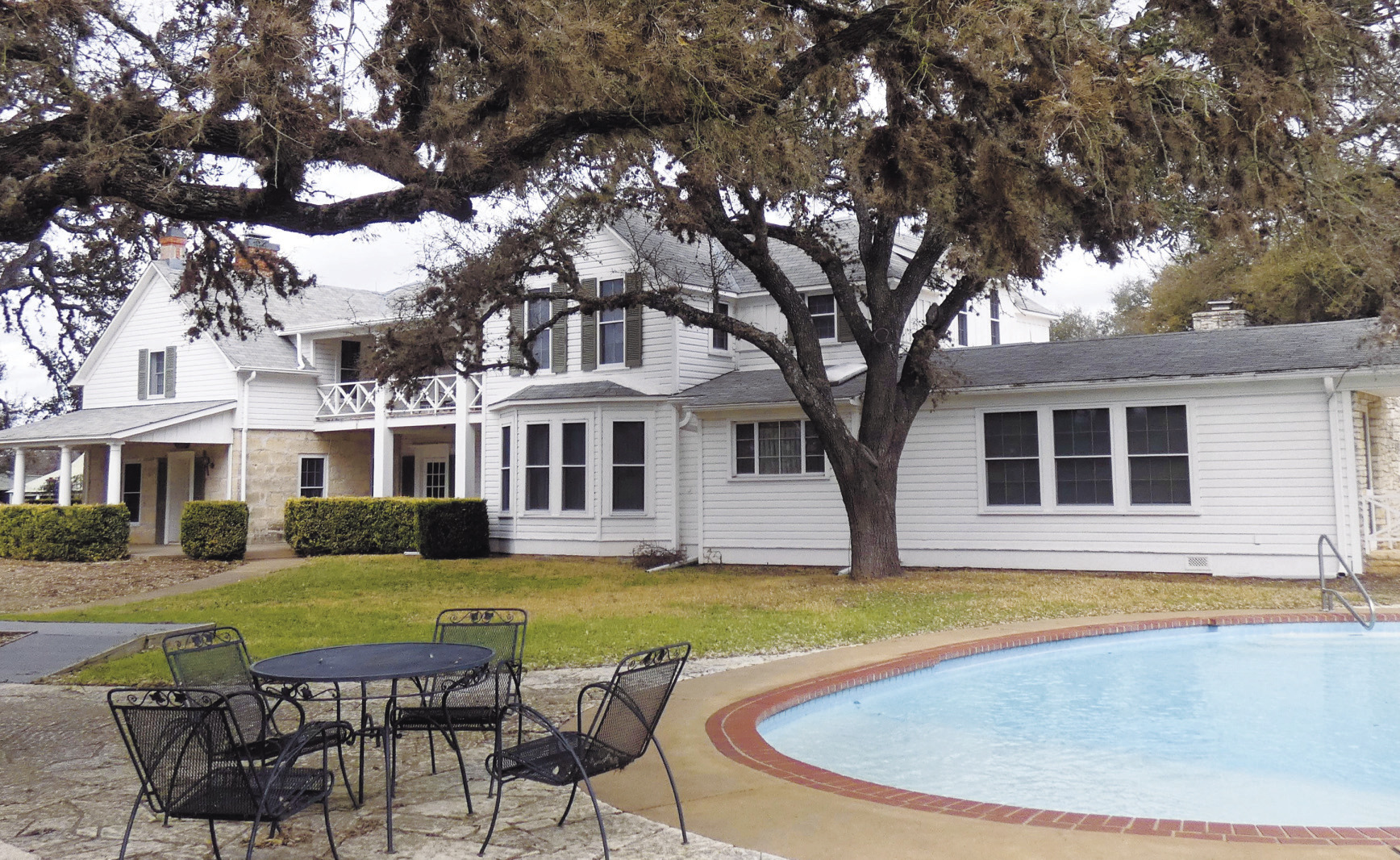
About 60 miles due north of San Antonio is the late president Lyndon B. Johnson’s ranch and Texas White House on the Pedernales River. The visit starts directly across the river at the LBJ State Park and Historic Site where we got free tickets for the self-guided auto tour of the ranch. When we got to the ranch, they did not check to see if we had tickets. If I were cynical, I might believe that the only reason for dispensing tickets at the state park is to get people to visit it. The strategy works.
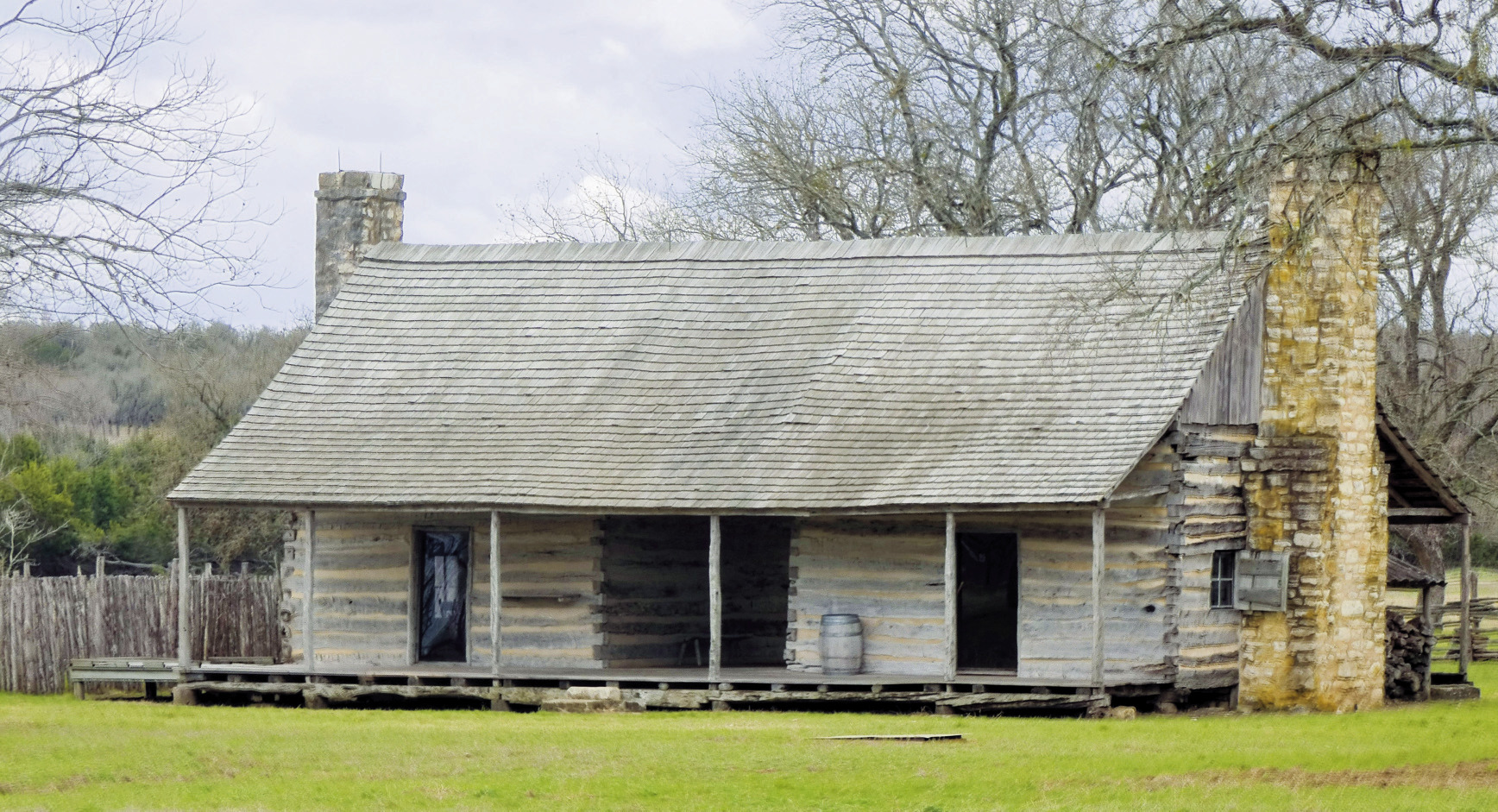
Once we got on site, we found it is worth a visit for its own sake. There are historic pioneer homes and outbuildings to see from the 1860s, with the usual farm animals and a small herd of longhorns.
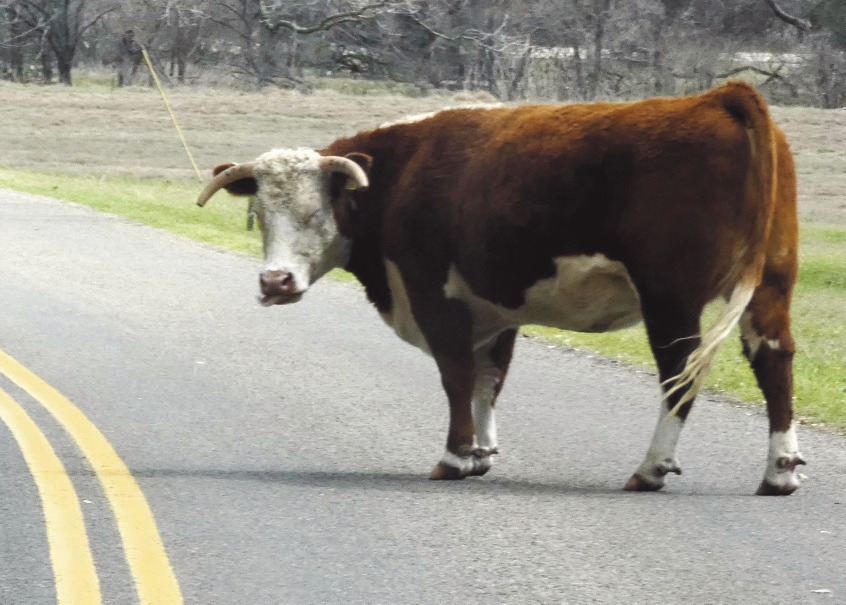
Johnson raised prized Herefords whose descendants still thrive at LBJ’s ranch.
Many think the main attraction is the chance to see actual ranch operations, not just docents dressed up like cowboys. The docents do actual work tending the animals and gardens while talking with visitors about pioneer life.
Across the bridge at LBJ Ranch, the Texas White House itself is not open to the public but LBJ donated the ranch to the public with the stipulation that it continue as a working ranch.
n Drive slowly.
Cattle tend to stand in the middle of the road and stare at you, causing disruption. Longhorns are fenced in because they cannot be relied upon to behave civilly. There is a landing strip for Air Force One the president used for the commute from Washington. The plane itself is under a canopy at the visitor center.
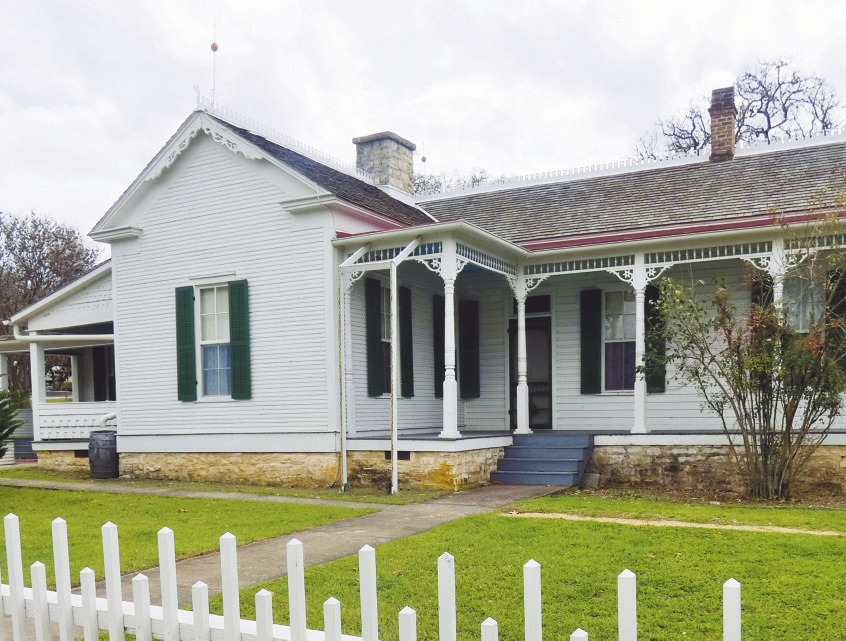
The modest house in which he was born has been reconstructed on the ranch as was the one-room country schoolhouse that served the area. Also nearby is the small family cemetery where he and Lady Bird are now in permanent residence. Just 15 miles away in Johnson City is LBJ’s modest boyhood home. At the edge of town is the Johnson Settlement built by his grandfather.
All four sites make for a manageable and worthwhile daytime experience if you and your family would like to learn about the history and life of Lyndon B. Johnson.
Continuing our journey, we will head due west from Johnson City on Rt. 290 on our way back to I-10. For anyone who is a wine or bourbon connoisseur, consider visiting some of the more than 100 wineries in the hill country or visit the Garrison Brothers Distillery along Rt. 290.
Fun fact, Texas has the second most visited wine district in the U.S. If anyone would be interested in wine tasting, the 290 Wine Shuttle makes it possible to enjoy different wineries along the route.
Bourbon aficionados will want to visit the Garrison Brothers Distillery, also along Rt. 290, to see the source of the first bourbon made outside of Kentucky.
The aging warehouse is not nearly the same scale, but there anyone can see the process and do a “quality control” tasting of what are now nine iterations of bourbon.
At Maker’s Mark there is an opportunity to seal a bottle by hand dipping the head and neck in wax.
Finally, we will head due west from Johnson City on Rt. 290 on our way back to I-10.
At Fredericksburg, there are still more surprises. What is the National Museum of the Pacific War doing way out in the middle of Texas you may wonder? Admiral Chester Nimitz, Commander-in-Chief of the Pacific Fleet in WWII, was born there. The museum is housed in what had been the Nimitz Hotel, built by the admiral’s grandfather in the 1850s and is one of the 700 or so historically significant buildings in town.
Stop in some of the stores that feature high-quality Western boots, hats, silver-studded ranger belts, and other attire.
There are the usual touristy places to buy the usual souvenirs, try some genuine Texas brisket or view historic homes in the area. You can visit some of the eight restaurants and brew houses serving genuine German cuisine if that would be something interesting to try something new in the area.
Fredericksburg, however, manages to blend authentic Texas with a sanitized version that can appeal to just about everyone.
With that said, next month we will get back to talking about natural destinations such as Big Bend and Guadalupe Mountains National Park.
Our strategy is to stop some places heading west and different places returning east.
Perhaps venture into more state history, like Texas was an independent country from 1836 until it was admitted to the Union in 1845. No matter where we go in Texas, it’s still just a walk in the park. ✲
