
IN OCTOBER OF 2024, the American Heart Association (AHA) and the American Stroke Association (ASA) released new guidelines to help lower stroke risk. The last update was a decade ago, so it was high time for this revision.
The aim of the new guidelines is to prevent stroke throughout a person’s lifetime with preventative care and healthy lifestyle behaviors. The guidelines also urge health professionals to screen for stroke risk, raise public awareness of stroke, and encourage the benefits of a healthy lifestyle. The emphasis is on making healthy changes, such as quitting smoking, increasing physical exercise, getting better sleep, and improving dietary habits.
For readers who could use a quick refresher, a stroke occurs when blood flow to the brain is interrupted, either because a vessel becomes blocked by a blood clot or a vessel in the brain ruptures. The resultant lack of blood flow causes brain damage that can lead to significant disability, including difficulty thinking, talking, walking, and eating, and the more time that passes before appropriate treatment is given, the more profound the damage can be.
Of course, the best way to avoid stroke-related disability or death is to prevent a stroke from occurring in the first place. Although some people might benefit from medications, oftentimes the best “ounce of prevention” comes in the form of lifestyle changes. And when it comes to stroke prevention, one of the most advantageous behavioral changes you can make is to adopt a healthy diet.
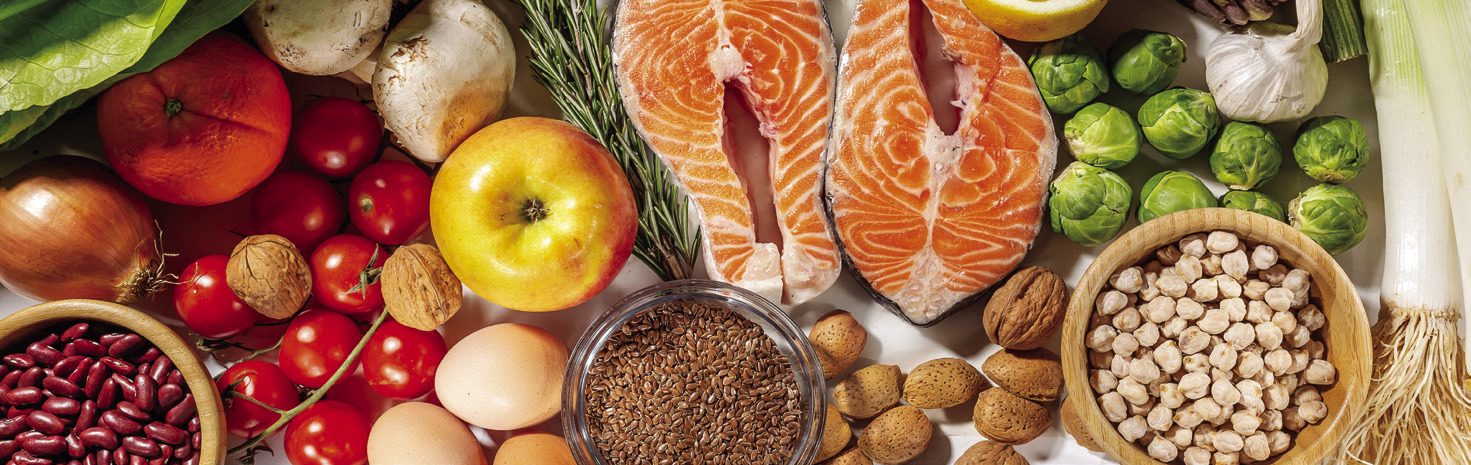
“Healthy diet” might mean different things to different people, but studies have shown that a Mediterranean- style diet actually reduces the risk of stroke. “Great, what exactly does the Mediterranean Diet have to do with someone living in the Midwest?” you might be wondering. The dietary recommendations for the Mediterranean Diet are relatively straightforward and can be implemented anywhere in the world. They include:
1. Emphasize fruits, vegetables, whole grains, legumes, nuts, seeds, and olive oil.
2. Limit red meat to about 3-4 oz once a week, and avoid processed meats such as bacon, sausage, salami, hot dogs, and bologna.
3. Aim for 25-30 gm of fiber per day with whole grains, fresh fruits, and vegetables.
4. Follow a low-sodium diet—no more than 2300 mg per day. That is about 1 tsp of table salt. Check labels, avoid adding salt to cooking and at the table, opt for low-sodium recipes, and use spices and herbs for flavoring.
5. Limit added sugars to no more than 6 tsp, or 25 g, per day. Check labels, use natural sweeteners like honey or maple sugar, and avoid sugarcontaining beverages.
6. Make fish your main source of protein. Choose tuna, salmon, mackerel, or sardines. Being in the Midwest, this may not always be a desirable, cost-efficient option. Not to mention, we tend to like our perch and walleye fried! Helpful hint: aim for salmon one night a week and have tuna for lunch one to two times a week.
7. Use moderation with eggs and poultry—no more than four whole eggs a week, though you can have more if you’re using just the egg whites. Choose chicken (3-4 oz) two to three times a week.
8. Incorporate nuts and olive oil.
Opt for almonds, hazelnuts, pine nuts, pistachios, and walnuts, and use olive oil as your primary source of fat. These are high in Omega 3 fatty acids, and they help lower total cholesterol while raising HDL (good) cholesterol levels. 9. Drink alcohol in moderation.
Choose red wine, which is high in protective polyphenols. White wine has some benefits as well. Consumption should be limited to one glass a day for women (around 5 oz) and no more than two glasses (10 oz) per day for men. If you’d like more information on the Mediterranean Diet, you can find tons of it online along with recipes. Cookbooks and meal plans are also available online as well as from Amazon. So don’t be intimidated by the thought of bringing the Mediterranean Diet to the American Midwest. It can be easy with a little planning and thoughtful shopping.
With respect to strokes, know that half of them are considered preventable, and it wouldn’t be if we failed to mention that exercise is an important element of stroke prevention. The recommendation is to get 150 minutes of physical activity per week—spread throughout the week, not all at once.
It’s also important to be aware that some populations have an elevated risk of stroke, whether due to genetics, lifestyle, biology, or social determinants of health. That’s why appropriate screening to identify stroke risk is so critical.
Also, learn to recognize the symptoms of stroke using the AHA/ASA acronym “FAST,” which stands for face drooping, arm weakness, speech/talking difficulty, and time to call 911.
Most important, if you suspect you or someone around you is having a stroke, call 911 immediately. Remember, the more time that passes before you seek medical intervention, the greater the damage to the brain and the greater the risk of severe disability or death. As the saying goes, when stroke occurs, “Time is brain.”
Laurie Syring, RDN/LD, is Clinical Nutrition Manager at ProMedica Flower Hospital. ✲
