CHEMOTHERAPY-RELATED FATIGUE— a very common side effect of cancer treatment that’s estimated to impact over 80 percent of patients who undergo chemotherapy—can be both pervasive and debilitating. Not to be confused with the ordinary tiredness people might experience after prolonged physical exertion or an especially long day at work, chemo-related fatigue can be described as an overwhelming degree of exhaustion that makes even simple tasks of daily living, such as bathing, dressing, and cooking, seem unmanageable.
The good news is, there are strategies chemotherapy patients can employ to help minimize the impact of chemotherapy-related fatigue and reclaim a greater quality of life as they navigate their treatment journey.
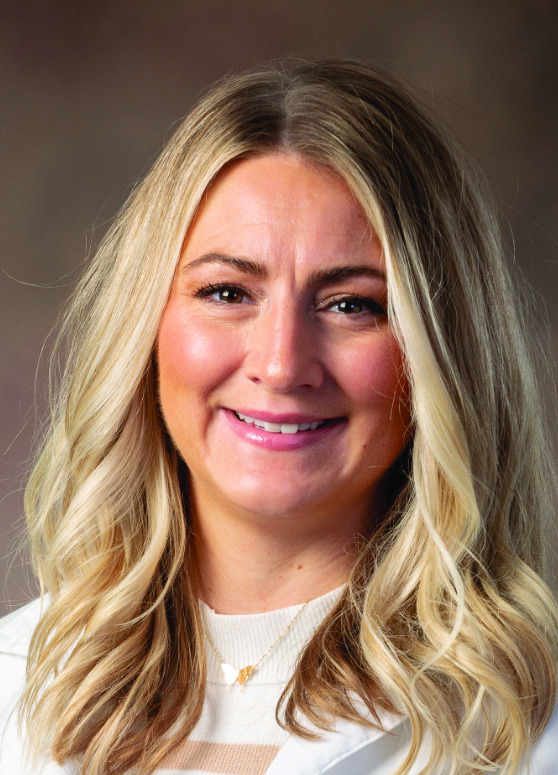
According to Brittany Balusik, CNP, of The Toledo Clinic Cancer Centers, “Chemo-related fatigue is much more than ‘I’m tired.’ It’s a profound level of physical, emotional, and cognitive exhaustion so severe that even sleep won’t fix it. Each patient describes this form of fatigue somewhat differently, but they often use terms like ‘overwhelming’ and ‘debilitating’ and tell us they feel like they can’t do anything.”
Why does chemotherapy so commonly induce fatigue in patients? Balusik notes that numerous factors can come into play. “The treatment itself can cause fatigue directly, but even before that, the patient’s body is expending energy to fight off the cancer. Add chemo to the equation, and the body has an even bigger battle to fight. There can also be secondary effects on the body that contribute to fatigue, such as electrolyte changes, anemia, nutritional deficiencies, changes in blood counts, and the destruction of healthy cells,” she explains.
However, no two patients experience fatigue in an identical manner. “Usually, fatigue starts to worsen after treatment starts and gets cumulatively worse with consecutive treatments, though a small percentage of patients might actually feel some improvement upon treatment. It all depends on the individual patient and the treatment regimen,” says Balusik.
While there is no “magic pill” to prevent chemotherapy-related fatigue or stop it in its tracks, the expert providers at The Toledo Clinic Cancer Centers can identify and treat many of the underlying or secondary causes of fatigue, such as anemia, low blood counts, iron deficiency, or B12 deficiency.
Balusik also identifies several simple things patients undergoing chemotherapy can do at home to help mitigate fatigue. They include:
Get adequate rest
As mentioned above, sleep alone won’t alleviate chemotherapy-related fatigue, but it’s nonetheless essential to get plenty of rest and avoid pushing yourself too hard so your body has an opportunity to recover between treatments.
Get regular exercise
This recommendation might seem counterintuitive to patients who are already feeling exhausted, but getting regular physical activity, among many other benefits, will boost your energy level and help improve the quality of your sleep. “This doesn’t mean you need to run a marathon or start body building. Just get your body moving gently, for example through activities such as walking, stretching, or yoga. If you’re really struggling, we can refer you for physical or occupational therapy,” Balusik says.
Eat well and stay hydrated Be sure to eat enough protein to build and maintain muscle mass, and drink plenty of water so you stay well hydrated. Balusik advises patients to carry a reusable water bottle with them and refill it throughout the day. For those who don’t care to drink plain water, she recommends adding electrolyte powder or other flavored powders to improve the flavor.
Take prescribed medications appropriately Taking medications exactly as prescribed by your physician can help in managing chemotherapy-related fatigue by addressing its underlying
Space out tasks and seek assistance
Balusik states that chemotherapy-related fatigue usually gets worse as the day goes on, so it’s important to space out any chores you need to complete as well as to tackle the most energy-consuming tasks first. “Also, don’t be afraid to ask your friends, family, and neighbors for assistance when you need it,” she adds.
No recommendation offered here will completely alleviate chemotherapy- related fatigue in and of itself, but cumulatively these suggestions can be a real “game-changer,” helping cancer patients conquer exhaustion and maximize their quality of life.
The Toledo Clinic Cancer Centers, located at 1200 Medical Center Parkway in Maumee and 4126 N. Holland Sylvania Road, Suite 105 in Toledo, also provides imaging, laboratory, chemotherapy, specialized pharmacy, and IV services. The cancer center consists of 13 physicians, now including a Rheumatologist, as well as 11 advanced practice providers. The cancer center also has satellite centers in Napoleon, Bowling Green, Wauseon, Bellevue, Oregon, and Monroe.
For more information, please call The Toledo Clinic Cancer Centers at 419-479-5605. ✲