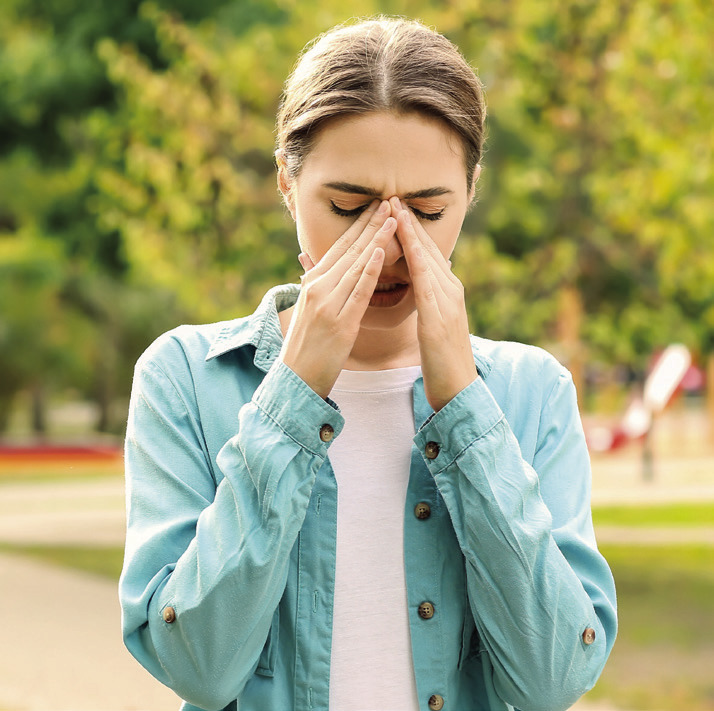
EVERY SPRING, MOTHER NATURE plays a cruel joke on seasonal allergy sufferers. Just as the cold-and-flu season is winding down, she gives them another reason to sniffle, sneeze, cough, and wheeze—the return of spring allergies. So, while everyone else is out enjoying the warmth and beauty of the season, people with spring allergies are bracing themselves for an onslaught of unpleasant physical symptoms.
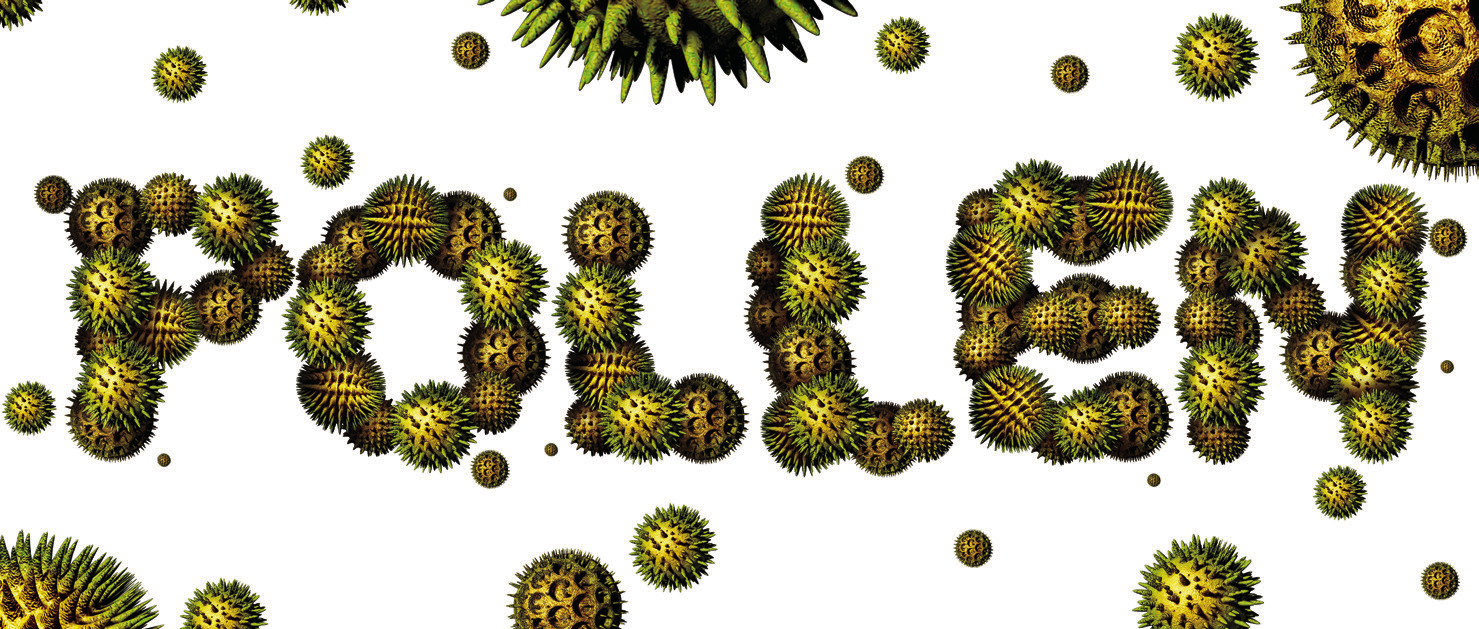
Of the various allergens that become problematic in springtime, the biggest culprit is airborne pollen—first from trees and later from grasses. Contrary to popular belief, the pollen produced by large, colorful flowers is not the cause of allergy symptoms.
The pollen from these flowers is carried from plant to plant by bees, butterflies, and other insects, not by the wind, so the only way you’re going to inhale it is by burying your nose in a blossom. In addition to pollen, airborne mold spores also trigger more than their fair share of allergy symptoms in springtime.
So, if you suffer with seasonal allergies, what can you do to stay one step ahead of the flying pollen and other springtime allergens? Here are some suggestions that just might minimize your misery:
See an allergist
If you’ve been plagued by spring allergies in the past, and over-thecounter remedies haven’t given you much symptom relief, it might be a good idea to schedule an appointment with an allergist before the spring-allergy season is in full bloom to determine the best course of treatment. Your allergist may want to conduct a skin or blood test to find out exactly which allergen or allergens you’re sensitive to, and he or she can discuss with you the various treatment options, such as prescription-strength medications and allergy immunotherapy (i.e., allergy shots).
Monitor the pollen count
Pollen counts can vary from day to day and from one time of day to the next, and they’re usually highest early in the morning and at dusk. Monitoring the pollen count—which will be posted on TV, in newspapers, and online—will give you a sense of when it’s safest for allergy sufferers to go outside. When a high pollen count is in the forecast, be sure to take your prescribed allergy medicines ahead of time rather than wait for symptoms to arise. It’s also helpful to keep your doors and windows closed and run air conditioning for ventilation in both your home and your car.
Avoid pollen exposure when possible Though some contact with pollen is inevitable, there are steps you can take to reduce your exposure. For example, try to limit outdoor activities to midday hours and stay indoors on hot, dry, or windy days, when pollen tends to be at its worst. In general, try to avoid or delegate outdoor chores, such as lawn mowing, raking, and weeding the garden. If you must tackle these chores yourself, wear a dust mask while you do them. After you’ve spent time outdoors, it’s a good idea to change your clothes and take a shower to rinse pollen off your skin and out of your hair. And, don’t forget the pets! Furry dogs and cats can become walking pollen traps. Bathe them often and ban them from your bed and other furnishings.
Clean house
Because at least some airborne allergens are certain to enter your home, you’ll want to take steps to combat them there, too. To ensure you can breathe easy indoors, you should:
• Frequently (at least weekly) vacuum rugs and carpeting, preferably using a vacuum cleaner equipped with a highefficiency particulate air (HEPA) filter.
• Frequently damp mop floors and wipe down other hard surfaces with a damp cloth or sponge.
• Install a micron allergy-grade filter in your home’s ventilation system.
• Run a dehumidifier to keep your home’s air dry.
• Use a HEPA filter in your bedroom.
• Wash bedding in hot water (at least 130 degrees F).
• If practical, replace carpeting with hardwood or laminate flooring.
Act now!
If spring allergies have been a problem for you in the past, don’t wait to implement these steps. By acting early to minimize your exposure to pollen and working with your doctor to find the best treatment plan, you can reduce your discomfort or prevent spring allergy symptoms altogether. ✲