FOR CANCER PATIENTS, the journey from diagnosis through treatment can seem overwhelming. Along the way, they must learn to understand their diagnosis and treatment options, arrange visits with multiple specialists, find out how and where to access supportive resources in the community, as well as make critical decisions impacting their care and quality of life—all while coping with the symptoms and side effects of their cancer and treatment regimen and, oftentimes, balancing the responsibilities of work and family.
However, the good news for patients at The Toledo Clinic Cancer Centers (TCCC) is that they never have to face this complicated journey alone. TCCC’s Care Navigation team is there to guide them every step of the way.
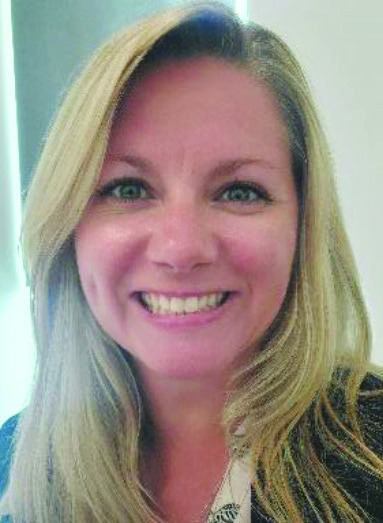
Ashley Slawinski, MOL, Oncology Quality Program Manager for The Toledo Clinic Cancer Centers, explains, “With any cancer diagnosis, there’s suddenly so much for the patient to consider and coordinate. There are numerous appointments throughout treatment, and sometimes patients have to go to an outside system for certain specialists or services. It can be an extremely challenging process for the layperson to navigate.”
“Our Care Navigation team provides a wide variety of services ranging from coordinating appointments and testing, connecting patients to community and financial resources, and helping patients manage the symptoms associated with their cancer and treatment.”
TCCC patients don’t have to wait until they’re already “in over their heads” to get help in navigating their treatment journey. In fact, the Care Navigation team steps in at the time of diagnosis. “When you make that first appointment, you’ll be given the direct number of a navigator, so you’ll have a human being you can call to ask any questions you might have and get the answers you need in a timely fashion. A non-clinical care navigator will then meet with you at least once by your first or second visit,” Slawinski says. TCCC’s Care Navigation team includes both non-clinical and clinical navigators. A non-clinical care navigator serves as the patient’s main point of contact and is poised to answer any general questions as well as assist with scheduling and point the patient in the right direction when he or she doesn’t know where to turn. The non-clinical navigator can also connect the patient with a social worker, physicians, financial navigators, many different healthcare professionals, and community resources such as The Victory Center and Nightingales Harvest.
The clinical care navigator, or nurse navigator, is the patient’s go-to person for health-related questions, medical advice, and expert help with managing symptoms or side effects such as pain, nausea, or vomiting. “Our non-clinical and clinical navigators work together to coordinate patients’ care and connect them with vital services and resources, ensuring a smooth, seamless transition through their treatment journey,” says Slawinski.
In addition to coordinating care, the Care Navigation team can help address a wide range of social determinants of health that obstruct or complicate patients’ access to services or treatment, such as transportation difficulties, financial struggles, food insecurity, housing insecurity, lack of family support, and mental health concerns.
Slawinski notes that lack of transportation is a very common concern for patients, so her team found an innovative solution to the problem. “Through The Toledo Clinic Foundation, we partnered with Uber Health to provide rides to and from appointments for patients who don’t have access to reliable transportation. We manage the program from our side and monitor drivers’ arrive times, so if they fail to make a pickup for any reason, we can make alternate arrangements immediately,” she says.
Though TCCC’s care navigators currently begin advocating for patients at the time of diagnosis, the team aspires to expand its role to include aspects of cancer prevention. “For example, we’re currently working with Radiology to ensure that anytime a patient who undergoes lung cancer screening has an abnormal result, we step in to get them in for pulmonary testing or a pet scan. Even if they don’t have cancer, they’ll get the testing they need as well as learn that we’re here and develop a connection with our team,” says Slawinski.
On top of screening and preventative services, the Care Navigation team has established the goal of utilizing electronic patient-reported outcome measures (EPROM), through remote therapeutic monitoring (RTM), to ensure patients have prompt, timely access to care at key points in their treatment journey. Slawinski explains, “Using a software program we provide, we can reach out to patients through an app on their phone or by text to inquire how they’re doing at times when symptoms are most likely to be occurring. A nurse can then read their responses and offer advice or quickly connect them to appropriate care as needed.”
Summing up her team’s objectives, Slawinski states, “We do everything in our power to advocate for cancer patients and provide all the answers and guidance they need to ensure the smoothest possible journey through treatment and the best possible outcome.”
The Toledo Clinic Cancer Centers, located at 1200 Medical Center Parkway in Maumee and 4126 N. Holland Sylvania Road, Suite 105 in Toledo, also provides imaging, laboratory, chemotherapy, specialized pharmacy, and IV services. The cancer center consists of 14 physicians, now including a Rheumatologist, as well as 11 advanced practice providers. The cancer center also has satellite centers in Napoleon, Bowling Green, Wauseon, Bellevue, Oregon, and Monroe.
For more information, please call The Toledo Clinic Cancer Centers at 419-479-5605. ✲