EFFECTIVE CANCER TREATMENT takes a team—a multidisciplinary group of providers who work together to deliver comprehensive, coordinated care throughout the patient’s cancer journey, from diagnosis through treatment and beyond. A vital element of comprehensive cancer treatment—and one that may be unfamiliar to many—is palliative care.
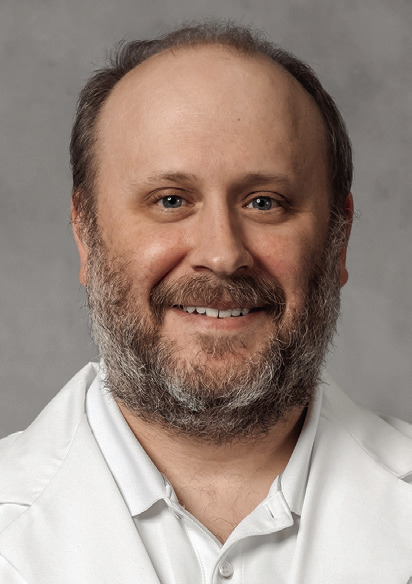
What exactly is palliative care, and what role does it play in cancer treatment? According to Richard Phinney, MD, of The Toledo Clinic Cancer Centers (TCCC),
“Palliative care is a medical subspecialty that’s focused on improving quality of life and well-being for any patient with a life-threatening illness by optimizing symptom control and reducing suffering. It’s really as simple as that. Obviously, palliative care is utilized in the field of oncology for patients who are experiencing symptoms or side effects as a result of their cancer or treatment, but it also plays an essential role in a wide range of other medical fields.”
Pain control; management of gastrointestinal issues such as nausea, vomiting, and diarrhea; and appetite stimulation are just a few examples of the ways TCCC’s palliative care team can help manage patients’ symptoms and side effects. In addition, the team is poised to provide counseling, mental health care, spiritual support, and a broad range of other specialized services that patients might need during treatment. “It’s truly all-encompassing. Yes, we do a great job of providing the very latest medical treatments and therapies, but we also treat patients with a 360-degree approach that addresses the whole person, not just the disease,” Dr. Phinney comments.
Patients and their families sometimes confuse palliative care with hospice care, but it’s important to understand that these two terms are not interchangeable. “There are a lot of similarities between palliative care and hospice care. Hospice care does utilize many, if not all, of the same core principles as palliative care. The key difference is, patients receiving palliative care can still undergo aggressive medical treatments. For oncology patients, that means they can continue to receive surgery, chemo, radiation, and other curative treatments. In contrast, patients enrolled in hospice care are typically terminally ill and have made the conscious decision that they no longer wish to proceed with aggressive treatments,” Dr. Phinney says. Interestingly, in the field of oncology, medical or surgical procedures are sometimes used for palliative rather than curative purposes—for example performing surgery, chemotherapy, or radiation therapy to remove or shrink a tumor with the sole intent of easing pain, improving function, or alleviating other symptoms.
Palliative care and curative medical treatments are not only compatible, but complementary. Dr. Phinney explains that cancer patients who receive palliative care to help alleviate the symptoms and side effects associated with their cancer and treatment are less likely to delay treatments, discontinue treatments prematurely, or require dosage reductions. “In general, because their quality of life is optimized, they’re going to tolerate treatment better, which logically can lead to better outcomes,” he states.
Cancer patients and their loved ones should consider palliative care providers integral members of their treatment team who work side by side with medical oncologists, surgical oncologists, radiation oncologists, and other specialized providers to help ease their discomfort, maximize their well-being, and promote the best possible outcome. “The biggest misconception about palliative care is that it’s a de-escalation of care, when in reality it’s just the opposite—an escalation of care,” Dr. Phinney says.
The Toledo Clinic Cancer Centers, located at 1200 Medical Center Parkway in Maumee and 4126 N. Holland Sylvania Road, Suite 105 in Toledo, also provides imaging, laboratory, chemotherapy, specialized pharmacy, and IV services. The cancer center consists of 14 physicians, now including a Rheumatologist, as well as
11 advanced practice providers. The cancer center also has satellite centers in Napoleon, Bowling Green, Wauseon, Bellevue, Oregon, and Monroe.
For more information, please call The Toledo Clinic Cancer Centers at 419-479-5605. ✲