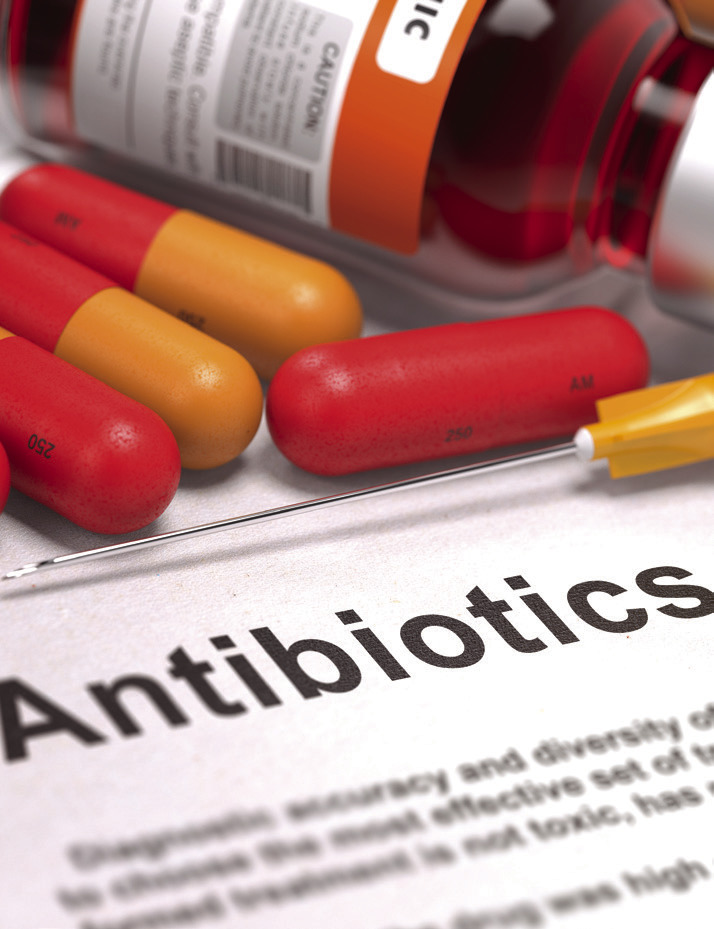
SIR ALEXANDER FLEMING’S ACCIDENTAL DISCOVERY of penicillin in 1928—the dawning of the antibiotic era—permanently altered the course of medicine. Since that chance breakthrough, antibiotics have saved the lives and eased the suffering of countless people worldwide. Unfortunately, these “miracle drugs” come with an Achilles’ heel—antibiotic resistance, aka antimicrobial resistance. This phenomenon occurs when infectious germs evolve mechanisms that render the antibiotics used to treat them either less effective or ineffective.
Putting the dangers of antibiotic resistance into even sharper focus, the Centers for Disease Control and Prevention’s (CDC) 2019 Antibiotic Resistance (AR) Threats Report describes the phenomenon as “an urgent global public health threat,” which that year alone claimed the lives of at least 1.27 million people worldwide and was associated with nearly 5 million deaths. Furthermore, in the United States, more than 2.8 million antimicrobial-resistant infections occur each year, causing more than 35,000 deaths.
Given the wide variety of antibiotics available for doctors to prescribe, it might be tempting to assume that if one doesn’t work, it’s just a matter of finding another one that’s a bit stronger or perhaps a better fit for the specific type of infection being treated. But the reality of the situation is more complicated. As the CDC notes, “Antimicrobial-resistant infections that require the use of second- and third-line treatments can harm patients by causing serious side effects, such as organ failure, and prolong care and recovery, sometimes for months.” Of course, there are also antibiotic-resistant infections for which all antibiotic treatment options have already been exhausted.
What’s more, help in the form of newer antibiotics appears to be slow in coming. A 2022 article that appears on the World Health Organization’s website (WHO.int), entitled “Lack of Innovation Set to Undermine Antibiotic Performance and Health Gains,” states that, “Development of new antibacterial treatments is inadequate to address the mounting threat of antibiotic resistance, according to the annual pipeline report by the World Health Organization. The 2021 report describes the antibacterial clinical and preclinical pipeline as stagnant and far from meeting global needs.”
While the prevention of antibiotic resistance might seem to be the sole purview of national and international health agencies, there are certain steps public health experts at the FDA, CDC, and WHO advise everyone to take to help combat this growing problem. Among them:
Avoid unnecessary antibiotic use When we’re sick and miserable, we want to feel better as quickly as possible. All too often, this prompts us to demand a prescription for an antibiotic from our doctor. However, it’s important to remember that antibiotics are effective only against bacterial infections, not viral infections. So, for example, an antibiotic might be the right choice for strep throat, which is bacterial, but totally inappropriate for the common cold or influenza, both of which are viral.
How does unnecessary antibiotic use promote antibiotic resistance? According to mayoclinic.org, “If you take an antibiotic when you have a viral infection, the antibiotic attacks bacteria in your body. These are bacteria that are helpful or are not causing disease. This incorrect treatment can then promote antibiotic-resistant properties in harmless bacteria that can be shared with other bacteria. Or it can create an opportunity for potentially harmful bacteria to replace the harmless ones.”
Take antibiotics strictly as prescribed
If your doctor prescribes an antibiotic to treat your illness, be sure to take it exactly as prescribed. Don’t skip doses or fail to take the full course of treatment because you’re beginning to feel better. Discontinuing the antibiotic prematurely can cause the infection you’re treating to recur as well as give the bacteria a window of opportunity to develop resistance. Tell your doctor promptly if you experience adverse side effects from the antibiotic.
Don’t save antibiotics for future infections The antibiotic you were prescribed for a specific infection today may be completely inappropriate for a different infection you develop in the future. The same applies to antibiotics that were originally prescribed for someone else. In either circumstance, taking the wrong antibiotic will not only delay your access to appropriate treatment but can also allow your infection to get significantly worse before proper treatment is initiated.
Focus on infection prevention The best way for individuals to help fight antibiotic resistance is to strive to avoid developing infections in the first place, for example by avoiding close contact with people who are sick, practicing handwashing and good personal hygiene, keeping wounds clean, properly managing chronic health conditions such as diabetes, handling and cooking foods properly to avoid foodborne illness, adopting safer sex habits, and staying up to date with vaccinations. ✲