Sponsored by Wood County Park District
SHIRLEY AND I WERE IN YELLOWSTONE the last week in June and first week of July. One day I suggested that we stop at the first pullout in Hayden Valley to have our lunch while enjoying the view of the Yellowstone River meandering through below us. Open meadows down to the river on the east side of the road. Rolling hills on the west. Snow-capped mountains to the north. We arrived from Yellowstone Lake to the south. Beauty in every direction.
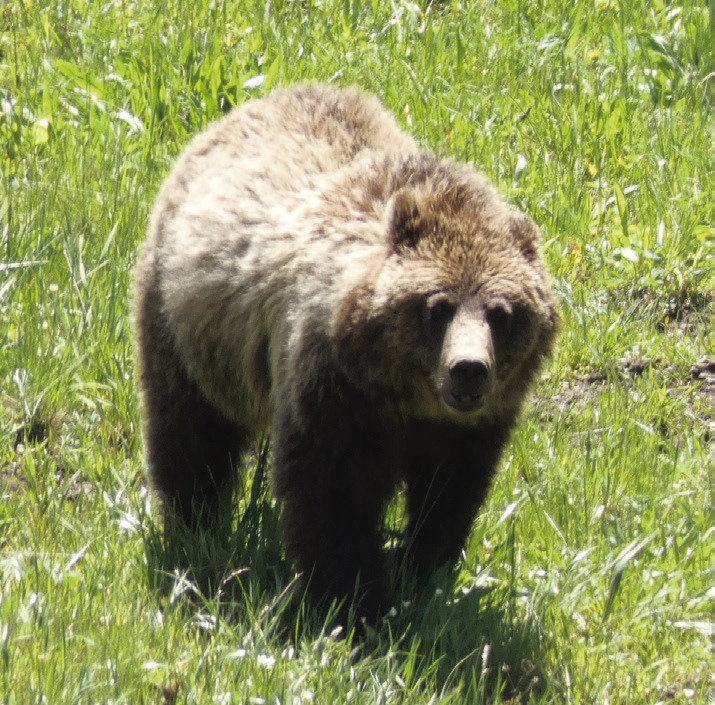
Just before the road enters the valley is the area of the stinky Sulfur Cauldron and Mud Volcano. The car in front of us suddenly stopped in the road. The driver jumped out and waved to me, exclaiming as she crossed the road, “There’s a bear!” (That’s one of the three most common reasons to park right in the road.)
I looked to the left. Yep. That’s a bear alright.
Not wanting to cause a bear jam, I pulled around her car and continued on towards the pullout. In the mirror I could see the jam already forming regardless of my unquestionable virtue.
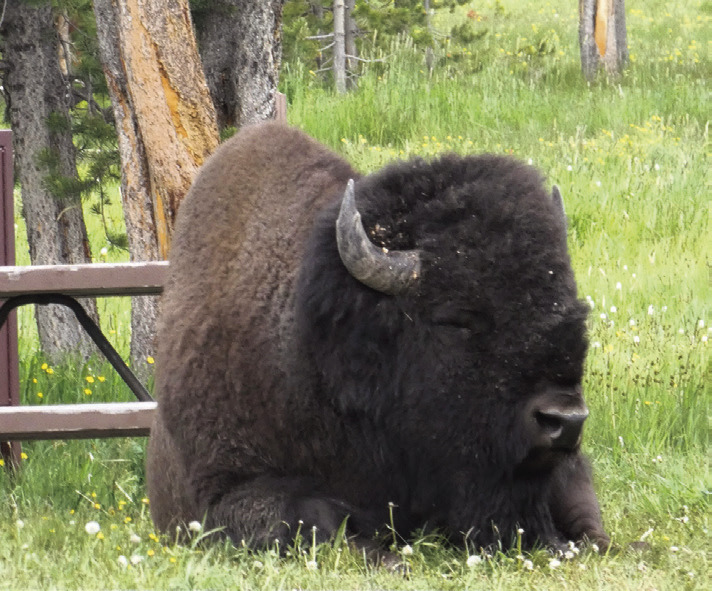
Around the next bend, the valley was spread out before us in all its glory. A couple hundred bison were moving up from the river and crossing the road to the hills beyond. Bison do not yield the right of way, but tourists gladly do. Not that we have much say in the matter. Within minutes there was a bison jam that ultimately reached all the way back a half mile or so to where we were parked. Fortunately, a curve in the road provided an unobstructed view of what was unfolding ahead. Most people caught at the back of a jam can’t see the reason everyone is stopping.
As I was photographing the herd, a car pulled in next to us.
“There’s a bear!” said the driver, echoing the woman.
The bear behind us had caught up, bringing his entourage of tourists with him. He was casually feeding on the hillside just across the road. As you know, bears are mostly vegan. Even so, like humans, they sometimes cheat on their diet, so it’s best not to mess around with a bear. The pullout quickly filled, so drivers began stopping in the road. Where else are you supposed to park? In a matter of minutes, the bear jam melded with the bison jam, creating a parking lot that stretched as far as we could see in either direction.
Eventually, the bear got bored and wandered into the trees up the slope. By then, most of the bison had also moved off into the hills. Some, however, made a U-y and headed back towards the river. They can be like carousel animals that keep going round and round for no apparent reason. All of this took from noon until about 2:00 to transpire.
As she was leaving, a young woman proclaimed, “This has been the best day ever!” She was right, of course. Almost any day in Yellowstone can turn out to be the best day ever.
But there is no way of knowing which day or where it will be. Visits to the permanent, stationary attractions can be scheduled, but animals come and go as they please. First-time visitors are eager to know where to go to see them. There are general tendencies but no guarantees. At 3,472 square miles, Yellowstone is huge. Even large animals such as the bison, bears, elk, and pronghorns can easily disappear in the undulating terrain. Still, your chances of seeing them are pretty good in Hayden and Lamar Valleys where there is plenty of open terrain. Moose hang out along rivers where they feed on willows. Bighorn sheep are fairly common on Mt. Washburn, but you will probably have to do some hiking to find them on the upper slopes. Wolves have dramatically increased in number since being reintroduced in 1995. Even so, you will need to have a high-powered spotting telescope and be prepared to sit all day waiting for the possibility that they may show up a long way off. That’s why wolf watchers hang out in packs of their own to share the chore of keeping watch. Specific bears tend to have home territories that they carefully mark to let other bears know it’s theirs. Like the grizzly mentioned above, they may be in the area but not necessarily visible when you happen to pass by. Obviously, the more time you spend in the park, the greater your chances of seeing any kind of wildlife.
Shirley and I know two retired couples traveling together. They went in the South Entrance and out the East. Complained that they “didn’t see anything.” By which they meant none of the big animals everyone talks about. That seemed improbable even considering a definition of “anything” that is limited to large animals.
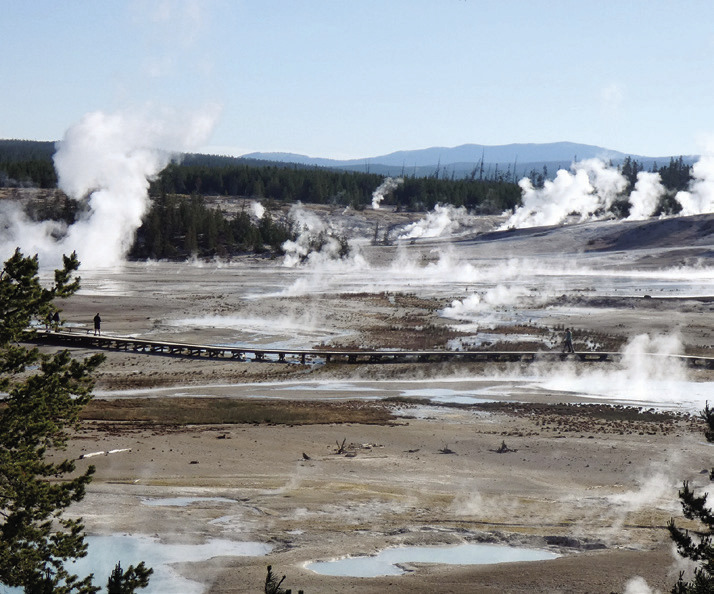
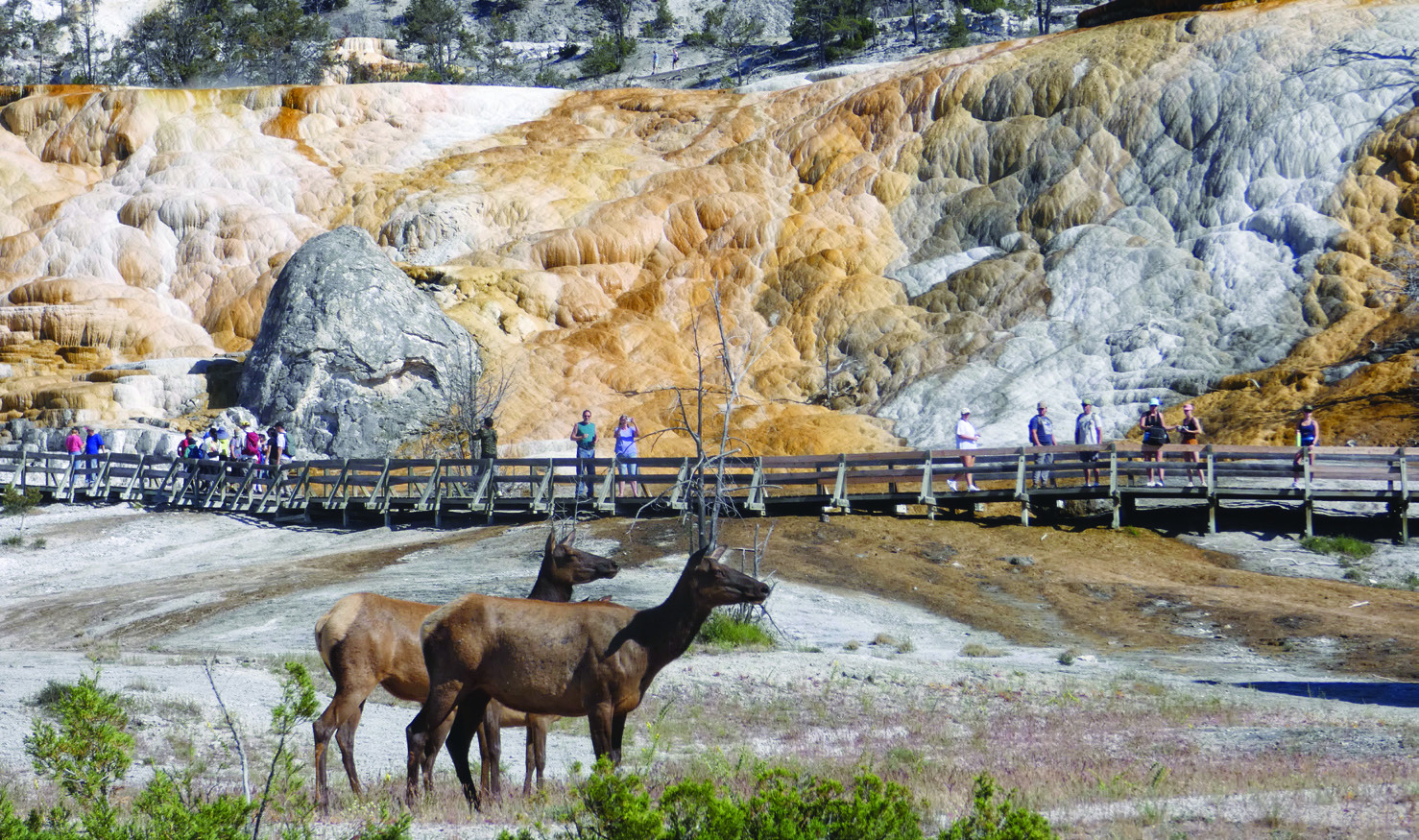
The largest concentration in the world stretches from Old Faithful, all along the Firehole River past Grand Prismatic Springs to the Norris Geyser Basin, and on up to Mammoth Hot Springs in the northwest corner of the park.
Waterfalls:
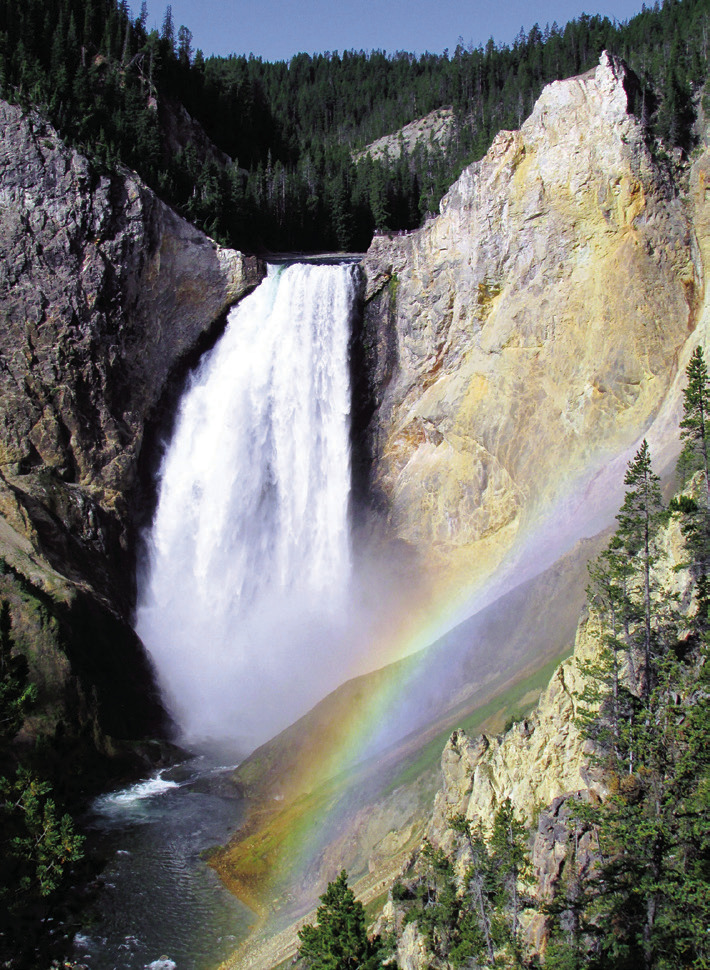
Lower Falls of the Yellowstone from six different vantage points, brink of the Upper Falls, Gibbon, Undine, Lewis, and Tower are all readily accessible from the road. Many more if you are up to walking through bear country.
Scenic beauty:
Snow-capped mountains, rolling hills, broad valleys with rivers winding through, the Grand Canyon of the Yellowstone, Yellowstone Lake. Drive the figure-8 park road and see something impressive every mile. Subtract both wildlife and the famous geothermal attractions, and the park is still visually outstanding.
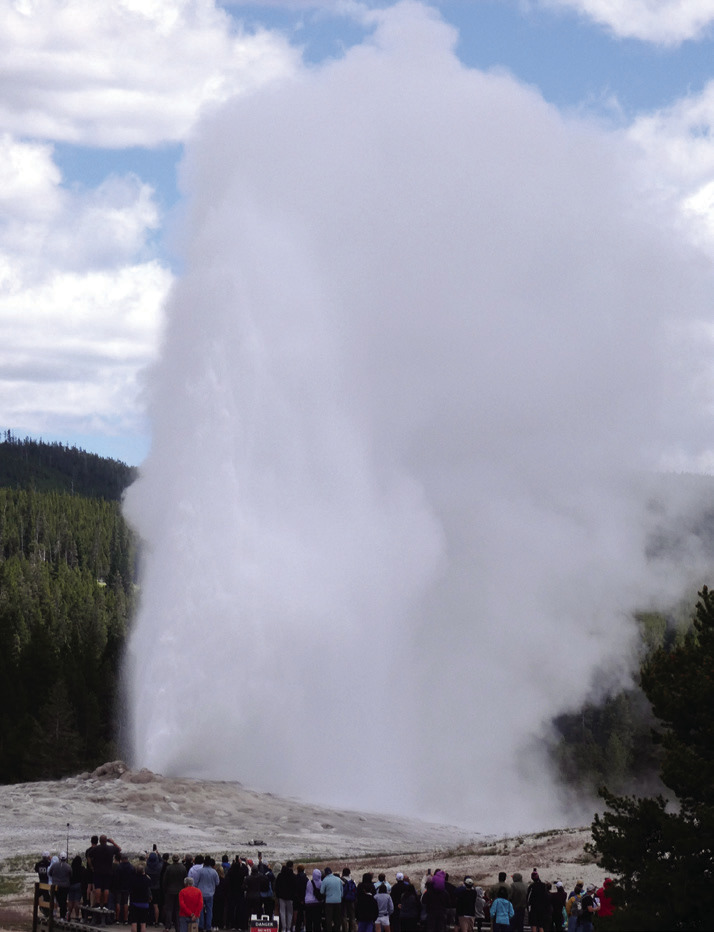
In recent years, it seems like the whole world has decided to come at the same time. Rooms at the lodges and campsites book up six months in advance. Lines at the entrance gates stretch from here to infinity and beyond. This is not intended to discourage you but to suggest you begin your research and planning as soon as that little voice in your head says, “You know, I think we should go to Yellowstone.” Many visitors associate Yellowstone with Old Faithful, the geyser famous for the regularity of its eruptions, the times of which are posted in the lobby of the Old Faithful Inn. There are three basic options for viewing. You could join a couple thousand of your closest friends lined up at the base. You could take a walk along the Firehole River on the trail behind Old Faithful and see a number of other impressive thermal features while you are waiting. Or, you could get some bear berry ice cream in the Inn and enjoy the view from the upper deck.
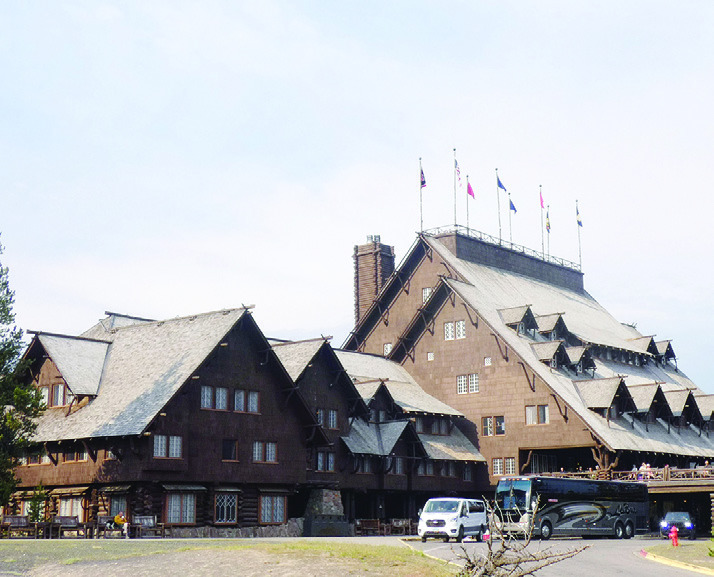
The Inn, an attraction in itself, is a prime example of “parkitecture,” the traditional massive post-andbeam construction of historic park lodges. The impressive three-story lobby features a huge stone fireplace supporting an enormous pendulum clock. The original guest rooms made the term “basic accommodations” an overstatement. When we stayed there in 1985, we concluded that it was a high price to pay for a squeaky iron-frame bed and a shared bathroom at the end of the hall. Even so, we were glad to have it because it snowed the night before we arrived and the lobby was packed with people failing to get a room at the last minute. Since then, there have been upscale improvements to the Inn plus construction of the nearby Snow Lodge and Old Faithful Lodge.
But people are still trying but failing to get a room. There are accommodations in towns at the edge of the park—West Yellowstone, Gardiner, and Cooke City. Last year, a recently retired couple asked for advice about visiting Yellowstone. Asked in May for June. They ended up in Cody, WY, which is only an hour or so from the park. Fortunately, it is a gorgeous drive into the mountains. With that said, to and from for a week or so can make it seem more like commuting to work. Driving in the mountains may be scenic, but it is also somewhat more challenging than an interstate highway in the flatlands.
Old Faithful’s rival for main attraction is the Lower Falls of the Yellowstone from one or all of the half dozen viewing platforms along the North and South Rim Drives. Get to your first stop before 9:00 at the very latest or you will have to fight for space with hundreds of tour bus passengers. Sometimes, O Dark 30 is still not early enough. If you are fit and ambitious, you might avoid the crowds by hiking down to the brink of the falls. If you are even more fit and ambitious, you could take the Red Rock trail down a steep half mile into the canyon for a vantage point not shared by many. Likewise, Uncle Tom’s Trail descends 328 steps into the canyon on a steel staircase. Signs advise not to go if you have heart or respiratory issues.
For years, we made a point of heading out to the Lamar Valley to see herds of bison, a few pronghorns, maybe a bear or two, and to fish Soda Butte and Slough Creeks. On one occasion, we continued from the valley to the Northeast Entrance at Cooke City to take the Beartooth Highway. Charles Kuralt, in an episode of
As it turned out, there was nothing to see. We climbed into the clouds where I was lucky to find the road by braille. Kuralt may have been right, but we had no way of knowing.
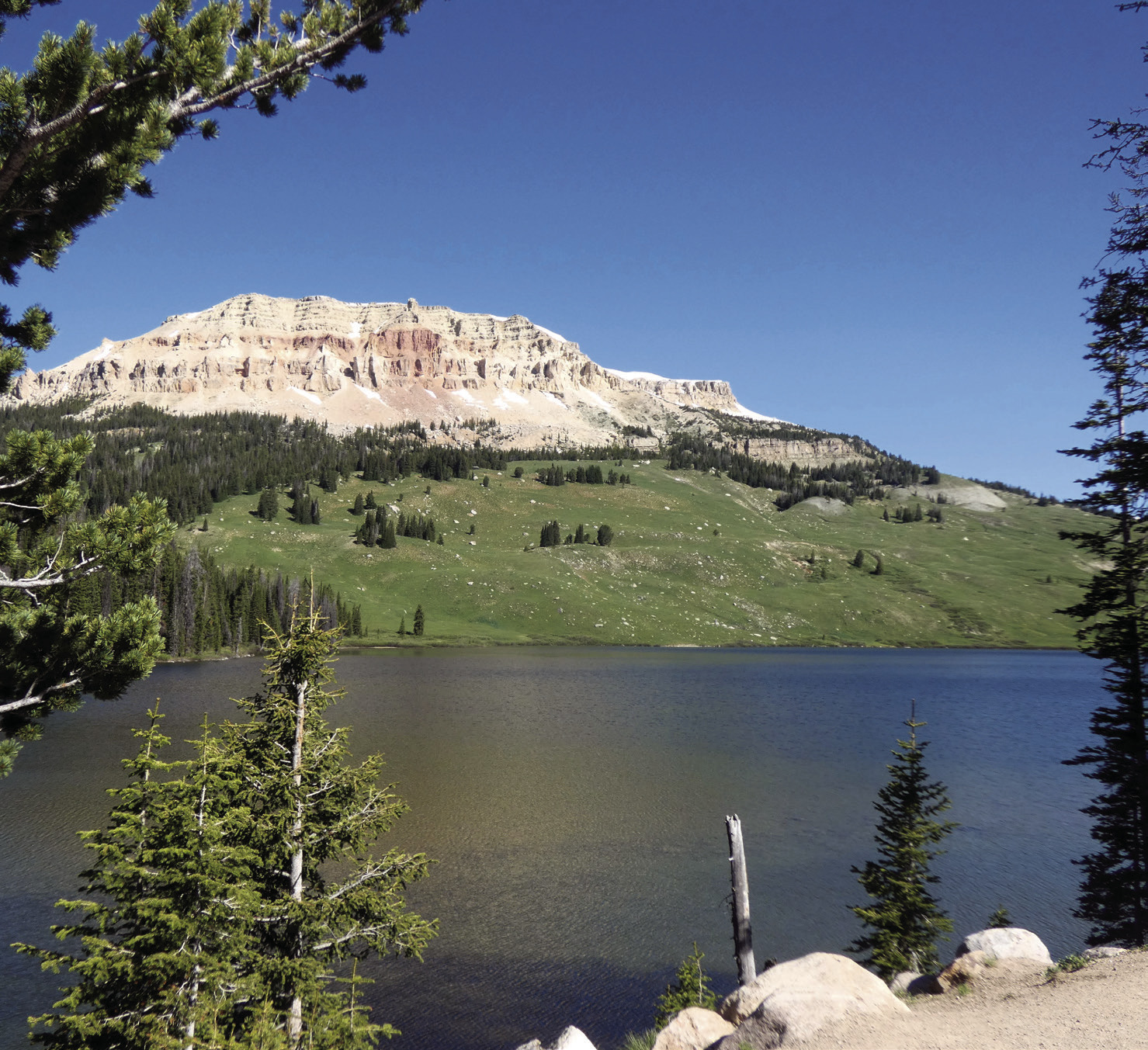
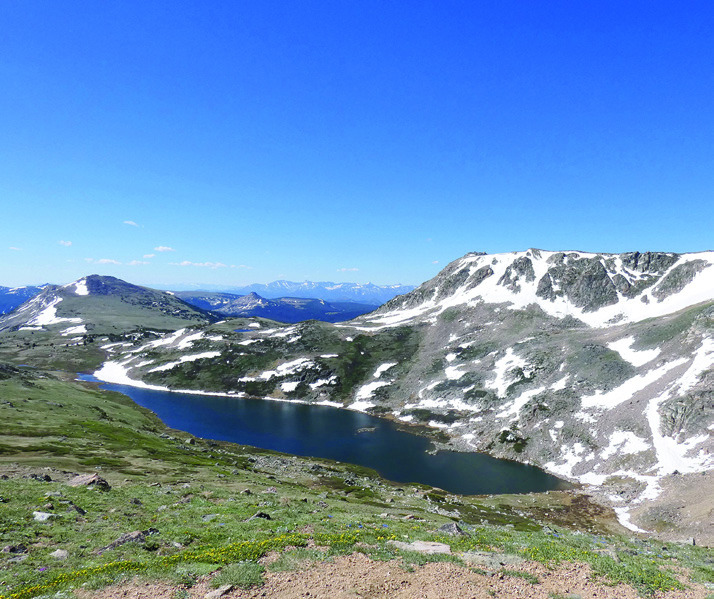
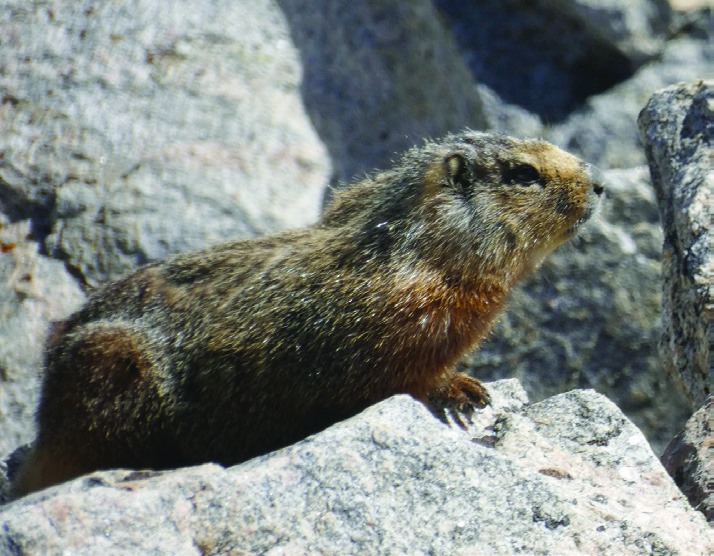
This year, I realized just how lucky we had been just to stay on the road. It rises through a seemingly endless series of steep, narrow, hairpin switchbacks with life-threatening drop-offs on its way into the barren tundra above treeline. No room for driver error, especially when dealing with oncoming traffic that included 40-foot RVs. The reward for the effort was glistening alpine lakes, waterfalls, snow banks left and right, hardy tundra wildflowers, yellow-bellied marmots. Heading back down, I stayed in second gear to keep from frying the brakes.
Since 1985, we have been to Yellowstone 14 times, and each has been like Forrest Gump’s box of chocolates. You never know what you’re gonna get, but you do expect that it’ll be good. Any day can turn out to be the best day ever, and all of them are just a walk in the park.
LeMoyne Mercer is the travel editor for Healthy Living News. You might want to see more of his stories and photos at AnotherWalkinthePark.blogspot.com.
✲