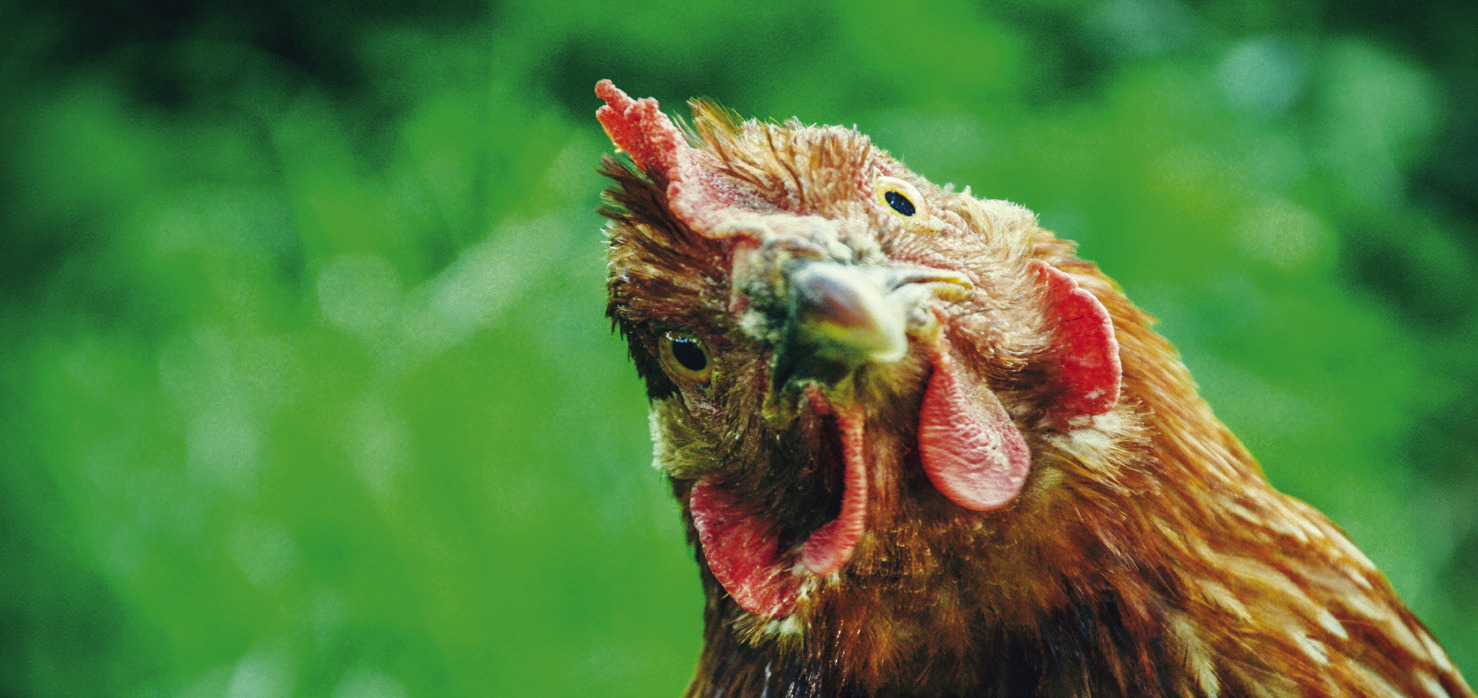
Chicken flocks aren’t just for rural folks anymore. In recent years, there has been a growing trend of keeping backyard chicken flocks among urbanites and suburbanites who have an interest in small-scale homesteading, want to supplement their food supply with fresh eggs or meat, or are simply looking to enrich their lives with some engaging and endearing companion animals.
Backyard chickens can indeed provide all these benefits, along with many others, but before you run out to buy a batch of chicks at your local farm-and-feed store, be sure to consider the following facts about chicken keeping:
Laws related to chicken keeping vary The laws governing the keeping of chickens vary considerably from one community or municipality to another. For example, local ordinances might limit the number of birds you’re allowed to keep, prohibit the keeping of roosters due to their loud crowing, or ban chicken keeping altogether. It’s essential to research what’s allowed in your community before starting a flock.
Chickens grow very rapidly Thosecute,fuzzylittlechickshopping aroundyourbrooderboxwon’tstaycute, fuzzy, or little for very long. On average (expectvariationamongdifferentbreeds and individuals), egg-laying chickens reach maturity at around six months of age, and within that short time span, you’llneedtomakenumerousupgrades to their housing to accommodate their growing bodies and alter their feed to meet their changing nutritional needs. In the virtual blink of an eye, they’ll be ready to make the transition to outdoor life,sodon’tdelayinacquiring/constructing your coop and run!
Sexing chicks can be challenging If you live in a community that doesn’t allow roosters or you’d prefer to limit your flock to hens only, you’ll need to be very cautious when purchasing chicks or hatching eggs. For many chicken breeds, accurately determining the sex of chicks can be extremely challenging. Even hatcheries that claim to have an excellent track record when it comes to sexing might get it wrong and end up sending you a male (or two) that you can’t keep and now need to rehome. Of course, you won’t likely realize you’ve got a male on your hands until the bird begins to mature and exhibit the physical traits and earsplitting vocalizations characteristic of a rooster.
To minimize the likelihood of this conundrum, you can explore the option of acquiring started pullets (female chickens that have been raised to at least 15 weeks of age and are, therefore, easier to sex) or choosing one of the so-called autosex chicken breeds or sexlink hybrids, whose chicks exhibit different coloration or other visible traits depending on gender.
Chickens can be noisy—and messy Crowing roosters notwithstanding, hens can produce an amazingly diverse range of vocalizations, most of which blend into the background of outdoor sounds and won’t bother your neighbors in the slightest. However, when they belt out a full-throated egg song or start alarming urgently at the sight of a predator, the neighbors are almost sure to take notice—especially if the jarring sound is produced at the crack of dawn on a Saturday or Sunday.
If the noise chickens make doesn’t bother you and/or your neighbors, their incessant pooping just might. They poop a lot—even at night while they’re sleeping—and that means daily cleaning of their coop and run is a must if you want to keep the odor down and maintain clean environs. On a positive note, chicken poop makes excellent compost that, once fully broken down, can be used to enrich the soil in your garden or landscape beds.
Predators can be problematic Speaking of predators, chickens have lots of them. Many of our local wild fauna, for example coyotes, foxes, raccoons, opossums, skunks, rats, and birds of prey, will happily feast on chickens, chicks, and/or chicken eggs. Numerous backyard chickens also fall prey to dogs and cats—both feral and family pets. With so many critters out to get chickens, it’s vital to harden off their coops and runs to prevent predator access. (Hardware cloth is a chicken keeper’s best friend.)
Ifyoudecidetofreerangeyourchickens, predators will be a more significant issue. For example, don’t be surprised to find that our local redtail hawks and other raptors will swoop in and make brazen attempts to snatch them right in front of your eyes—literally. You’ll need to weigh the risks and benefits of this practice to decide whether it’s the right choice for your flock.
Also, keep in mind that chicken food can be an irresistible attractant to rodents and other pests. Your best defense against these food marauders is to use a high-quality treadle-style feeder, which requires the chickens to step on a plate to open the feed compartment. These feeders not only prevent rodents and other small critters from accessing the food, but also significantly reduce spillage, saving you a lot of money on feed.
Most veterinarians don’t treat chickens Many people new to chicken keeping are surprised to discover that very few veterinarians actually treat chickens. Some vets who specialize in farm livestock or exotic birds might also treat chickens, but these practitioners tend to be few and far between. Of course, chickens can get sick, injured, or infested with parasites nonetheless. A lot of minor injuries or health problems can be managed effectively at home, but it’s still wise to locate and connect with one of the few chicken vets out there before acquiring a flock, even if you have to travel a distance to reach the individual’s office.
Those eggs aren’t free
If you’re getting into backyard chicken keeping for the sake of free eggs, you’re clucking up the wrong tree! All those eggs are a wonderful reward for the effort you expend on your flock, but make no mistake, you can buy a whole lot of eggs from the supermarket for much less than the money you’ll spend—not to mention the personal time you’ll invest—to house, feed, water, protect, and otherwise care for your flock.
They’re irresistible!
If these considerations haven’t discouraged you from keeping chickens, that’s good! Chickens are surprisingly fascinating and entertaining creatures, and each truly has a unique personality. What’s more, raising them and harvesting their eggs can help you reconnect with a simpler time and lifestyle as well as put you in closer touch with your food supply. ✲