MOTORISTS REALIZE IT’S IMPORTANT to do preventive maintenance to keep their vehicles running properly. But do those same motorists—and the public at large—realize it’s important to properly maintain themselves, especially to be in good heart health?
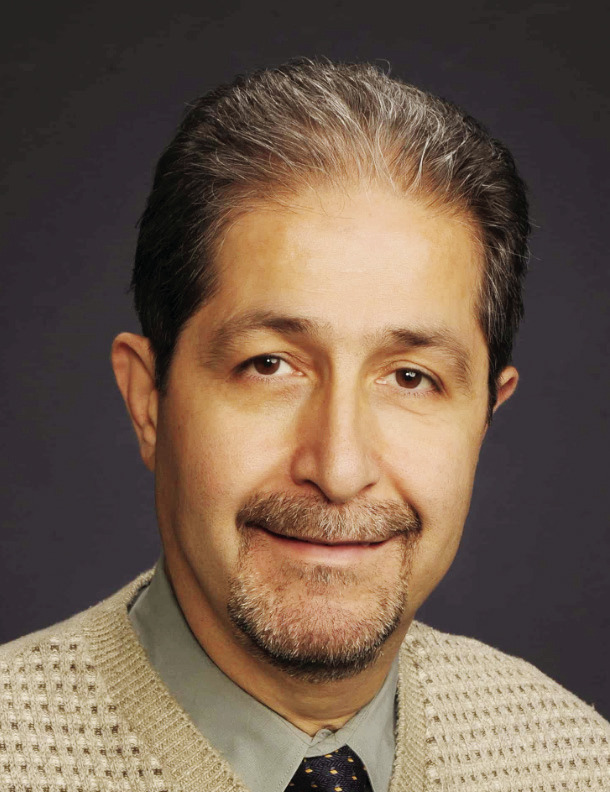
“Maintenance—that’s a good word,” said Dr. Ghiath Yazji, adult cardiovascular disease specialist and interventionalist with The Toledo Clinic. “Instead of waiting for the disease, it’s best to get the flu shot or vaccine beforehand, and to treat blood pressure and diabetes instead of waiting for a stroke,” he said.
Dr. Yazji’s specialty is the heart, which he—and the National Centers for Disease Control and Prevention— said is the number one killer of Americans, “even more so than cancer. It’s by far the worst offender in our lives,” especially, he said, in Northwest Ohio, which he said is a little above the national average for cardiovascular disease.
But the state of heart disease has improved over the past several years, in his view. He said intensive risk modifications, such as treating the effects of diabetes and high cholesterol, have lessened. “In my practice, I’m admitting fewer patients to hospitals for acute heart attacks than 20 years ago, thanks to daily treatment for diabetes mellitus, hypertension, and hyper cholesterol. Those events of acute heart attacks are becoming less and less frequent.” Dr. Yazji credits a general awareness among the public about the need for taking better care of themselves, in large part because of efforts of family physicians and cardiologists. “Through general awareness, patients are taking their health seriously.” In a sense, they’re taking warnings to heart.
One facet of health care in which Northwest Ohioans could do better is cutting back on smoking. “In general, smoking is an issue here,” he said. “The percentage of smokers here is higher than in other parts of the country. When people listen to their doctors and stop or cut in half or three-quarters, that’ll pay off.”
Apart from prevention and maintenance, the improvement of heart health and overall longevity is due to advancements in medical procedures. “Technology is getting better and better,” he said, and is more available to patients.
One such improvement is TAVR— transcatheter aortic valve replacement, a minimally invasive procedure that requires smaller incisions than openheart surgery. Dr. Yazji said this method of fixing heart valve problems began more than 10 years ago, “but it’s been perfected in the last five years. And we have this technology in our area—we don’t have to send people to other centers like the University of Michigan or the Cleveland Clinic.”
A technological advancement to repair a leaky heart valve is a tiny clip that is guided to the heart through a vein in the patient’s leg. The clip, with the trademark name Mitra Clip, helps the valve close more completely. “We have several things in our toolbox to address heart disease,” Dr. Yazji said.
Perhaps the best tool is something basic: words. Dr. Yazji said the media and drug and medical companies are doing a good job of educating the public about what’s available for better health. “Patients tell me, ‘I heard about the Mitra Clip. Am I eligible?’” Hesaidheseesmoresuchawareness of health conditions and concerns. That opens up a discussion between the patient and the physician. An open talk is, in a sense, what the doctor ordered.
“Talk to your doctor when in doubt,” he said. “Be frank, be open, don’t hold back. Sometimes patients feel shy asking questions because they don’t want to bother the doctor. But when you don’t ask, you won’t know. If you don’t tell me what’s wrong, I can’t help you.”
He concluded, “Come forward. Don’t wait. It’s better to come forward and have us tell you it’s not a big deal than to wait and delay and possibly end up with a damaged heart.”
Dennis Bova is a freelance writer and editor. ✲