No one can appreciate the physical, emotional, and spiritual turmoil a cancer patient experiences better than other cancer patients, especially those who have the same diagnosis. While family and friends can sympathize and provide support and assistance in a variety of forms, they can’t necessarily comprehend fully what their loved one is going through unless they’ve fought their own battle with cancer.
However, the members of a cancer support group, who are on the same journey and facing many of the same issues, can offer cancer patients the empathy, firsthand experience, and practical suggestions they need to cope successfully with the disease from the point of diagnosis, through treatment, and beyond.
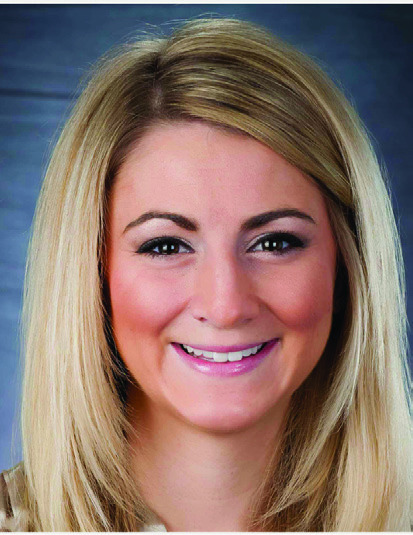
According to Brittany Balusik, CNP, of The Toledo Clinic Cancer Centers, cancer support groups of virtually every focus and format are available in the community, making it easy for patients and their loved ones to find one that suits them well. She explains, “Some groups might focus on a specific cancer, such as lymphoma, breast cancer, or prostate cancer, while others cover all types of cancer. There are groups for children of parents with cancer, cancer caregivers, teens and young children, and many others. Plus, there are various modalities you can choose from. Of course, there are groups of different sizes that meet in person. There are also online groups for those who can’t get out of the house or who have symptoms that prevent them from meeting in person, as well as groups that connect through social media, webinars, or conference calls. There’s a support group for almost anything you can think of, so it’s about finding the right fit for you.”
Support groups offer a myriad of benefits to cancer patients and their loved ones as well. Balusik notes that, when diagnosed, cancer patients are bombarded with different emotions and often feel overwhelmed. “Support groups can serve as a form of therapy, and being surrounded by people who share the same experiences helps participants feel understood and recognize they’re not alone. A support group offers hope in a situation that might feel hopeless and can help with anxiety and depression. It’s a place where you can express the feelings and concerns you have to other people who are in a similar situation, get tips on how to deal with the symptoms of your cancer or side effects of treatment, as well as get help with psychosocial issues related to work, school, or home life,” she says. Perhaps the most significant benefit to participating in a cancer support group is the impact it can have on the patient’s outlook and treatment outcome. Balusik has observed personally that patients who attend a support group seem to have a better attitude and healthier ways of coping. Scientific studies appear to support the validity of this perception. According to the National Cancer Institute, “Some research shows that joining a support group improves both quality of life and survival.”
Balusik recognizes that every individual on a cancer journey is unique with different feelings and expectations, and not everyone will be eager to share their feelings and experiences with a group. “You have to do what’s comfortable for you,” she says, “but I would encourage giving at least one visit a try. There are always other options if it’s not a good fit. Everyone deserves to feel comfortable and supported in such an overwhelming, life-changing situation.”
The Toledo Clinic Cancer Centers, located at 1200 Medical Center Parkway in Maumee and 4126 N. Holland Sylvania Road, Suite 105 in Toledo, also provides imaging, laboratory, chemotherapy, specialized pharmacy, and IV services. The cancer center consists of 13 physicians and 11 advanced practice providers. The cancer center also has satellite centers in Napoleon, Bowling Green, Wauseon, Bellevue, and Monroe.
The Toledo Clinic Cancer Centers has earned Patient-Centered Specialty Practice recognition and Oncology Medical Home recognition from the National Committee for Quality Assurance. Oncology homes align systems and resources with coordinated care focused on cancer patients and their needs. This reduces fragmentation, supports shared decision making, and improves the patient experience. They are the first oncology practice in the state of Michigan and the second oncology practice in the state of Ohio to receive this recognition.
For more information, please call The Toledo Clinic Cancer Centers at
419-479-5605. ✲