EACH YEAR DURING MARCH, the Academy of Nutrition and Dietetics celebrates National Nutrition Month.
This observance was developed to inform and educate the public about nutrition and invites everyone to learn about making healthy food choices and forming healthy physical activity habits. The campaign, now marking its 50th anniversary, is themed “Fuel for the Future” this year, so with that in mind, let’s review healthy diet and food choices for your future.
To start, let’s look at the six basic nutrients in our diet—carbohydrates, proteins, fats, vitamins, minerals, and water. We know that certain foods are good sources for a particular nutrient, but often the foods we eat are a mixture of these nutrients. No single food or food group provides all the nutrients we need for good health, so choosing a variety of foods from each group is what is important.
That brings us to the five food groups—dairy, grains, protein/meat and beans, vegetables, and fruits. As with the six basic nutrients, each individual food group is important and our food choices tend to be a mixture of all the groups. When it comes to the foods we choose, variety isn’t merely the “spice of life.” It’s essential to good health! That’s why you’ll never hear me recommend a diet that completely excludes one or more of the food groups.
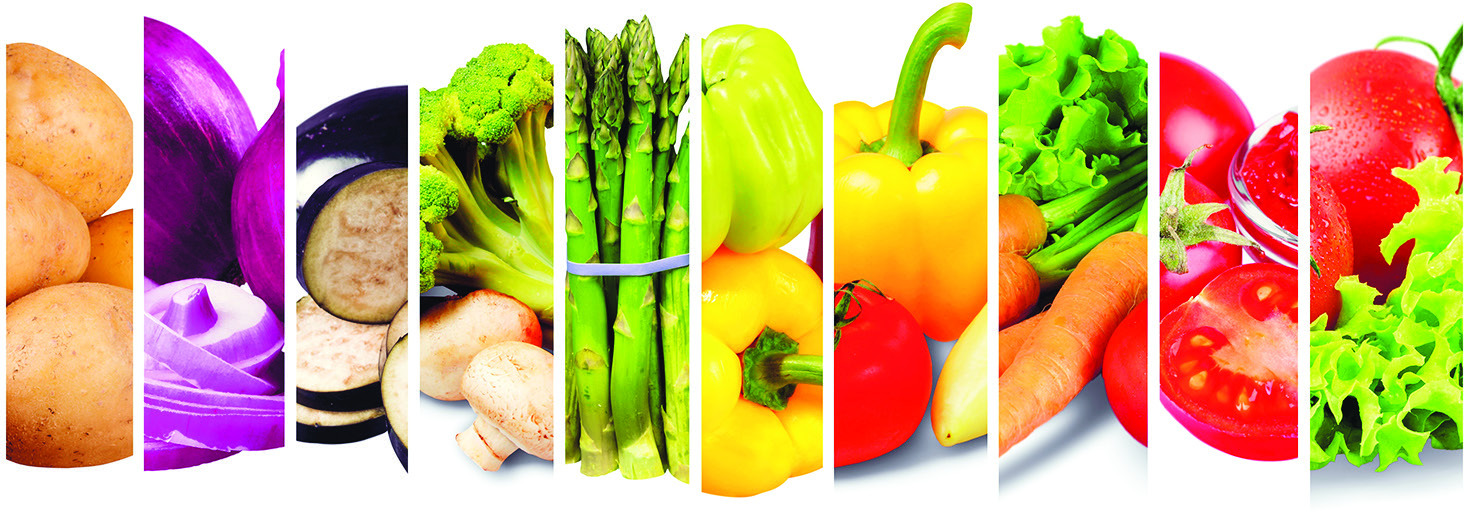
Your food choices for the future should be “nutrient dense.” What do I mean by that? According to the 20202025 Dietary Guidelines for Americans, nutrient-dense foods and beverages provide vitamins, minerals, and other health-promoting components, and are lower in added sugars, saturated fats, and sodium. Vegetables, fruits, whole grains, seafood, eggs, beans, peas and lentils, nuts/seeds, low-fat dairy products, and lean meats are all examples of nutrient-dense foods.
Developing a routine of consuming healthy, nutrient-dense foods and getting regular exercise will provide your body with energy for now and the future.
As you fuel your body, you should also try to eat with the future of the environment in mind. Just as the electric car is designed to lower our carbon footprint, there are ways we can eat that are more environmentally friendly. For example, try to shift to more plantbased meals, shop for foods in season, buy local, start a garden to grow your own food at home, and choose foods with less or minimal packaging.
Of course, with inflation driving up food prices nowadays, buying healthy foods might not be a priority for many people, but there are ways to stay well nourished and still save money. In fact, many healthy foods actually cost less, and you can take advantage of the savings if you plan before you shop, make a list of just what you need, and choose fruits and vegetables (fresh, canned, or frozen) that are on sale.
Again, as stated above, what’s most important is eating a variety of foods every day. A good source for inspiration and daily recommendations on how to get the nutrients you need at each stage of life is My Plate (www.myplate.gov). I would also encourage you to make tasty foods at home, try new flavors from around the world to increase variety and keep meals interesting, and find creative ways to use leftovers.
This approach to eating is important at every stage of life and can have a positive effect on your health—and food budget—over time. So, practice gratitude for your body by giving it the fuel it needs. We know the foods and drinks we choose can be influenced by a variety of things, such as taste, cost, culture, convenience, and cooking skills. Let’s add the health of our bodies and the environment to that list.
Happy National Nutrition Month!
Laurie Syring, RDN/LD, is Clinical Nutrition Manager at ProMedica Flower Hospital. ✲