ACCORDING TO THE CENTERS FOR DISEASE CONTROL AND PREVENTION (CDC), each year in the US, at least 430 people die and approximately 50,000 people wind up in the emergency room due to accidental carbon monoxide poisoning. Furthermore, the risk of succumbing to this tasteless, odorless, and colorless gas tends to be highest at this time of year—when home-heating systems are working overtime to help keep us warm.
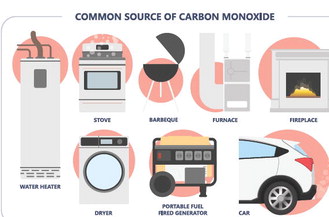
Carbon monoxide (CO) is a byproduct of the combustion of fuels such as wood, charcoal, gasoline, kerosene, propane, or natural gas. Furnaces, fireplaces, stoves, grills, space heaters, gas ranges, gas clothing dryers, lanterns, portable generators, and motor vehicles are just some of the more common CO sources. When these sources are used properly, the CO they produce does not present a hazard to your health, but when improperly ventilated and operated in or near an enclosed or partially enclosed space, these and other fuel-burning sources can quickly produce dangerously high levels of this toxic gas.
The CDC lists headache, dizziness, weakness, nausea, vomiting, chest pain, and confusion as the most common symptoms of CO poisoning. However, people who are asleep or impaired by alcohol or other intoxicants can succumb to high levels of CO without experiencing symptoms or even waking.
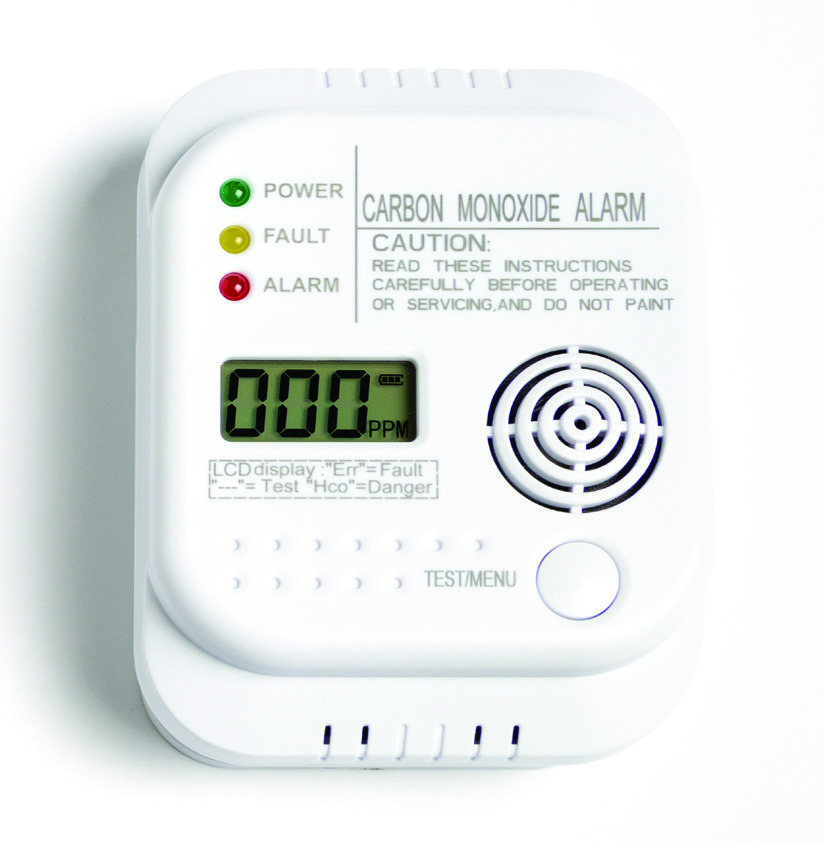
Though you can’t smell, taste, or see CO, you do have the power to prevent CO poisoning—and one of the most important measures you can take to protect yourself and your loved ones from this silent killer is to install carbon monoxide detectors in the hallway near every sleeping area in your home. In the event that CO is detected, call 911 and get everyone (including pets) outside to fresh air. Then be sure to find and repair the source of the CO before reoccupying the home.
In addition, the CDC provides the following CO poisoning prevention tips:
• Check or change the batteries in your CO detector every six months. (A good way to remember this chore is to change the batteries when you set your clocks back in fall and forward again in spring according to Daylight Saving Time.) If you don’t have a battery-powered or battery backup CO detector, buy one soon.
• Have your heating system, water heater, and any other gas-, oil-, or coal-burning appliances serviced by a qualified technician every year.
• Keep vents and flues free of debris. Debris can block ventilation lines.
• Never leave the motor running in a vehicle parked in an enclosed or partially enclosed space, such as a garage.
• Never run a motor vehicle, generator, pressure washer, or any gasoline-powered engine less than 20 feet from an open window, door, or vent where exhaust can vent into an enclosed area.
• Never use a charcoal grill, hibachi, lantern, or portable camping stove inside a home, tent, or camper.
• Never run a generator, pressure washer, or any gasoline powered engine inside a basement, garage, or other enclosed structure, even if the doors or windows are open.
• If you suspect CO poisoning, call 911 or a healthcare professional right away. ✲