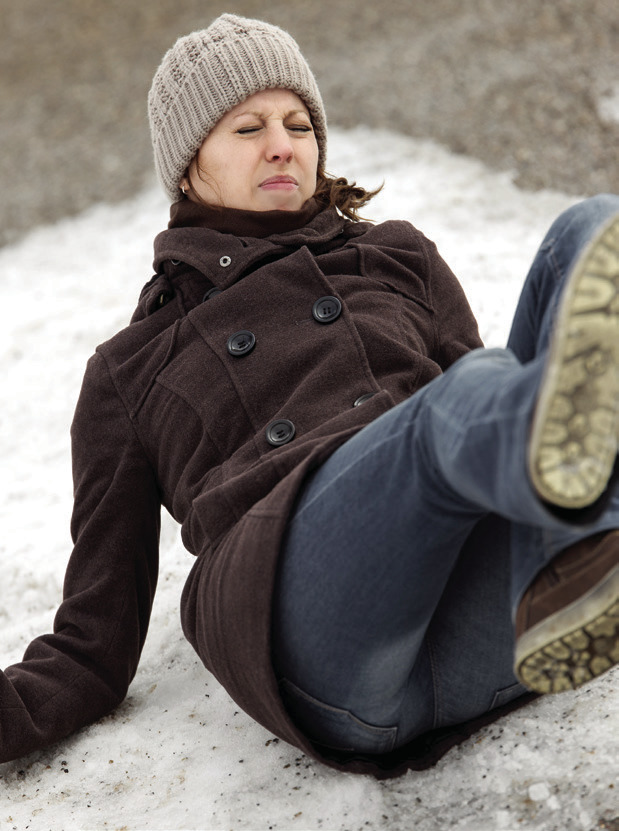
THE ICY, SNOWYCONDITIONS that typically prevail in Northwest Ohio during the winter months may be a welcome development to those who enjoy activities such as ice skating, skiing, and tobogganing. Unfortunately, the same conditions that are conducive to outdoor winter fun also significantly increase the risk of experiencing a painful or debilitating slip-and-fall accident.
The good news is, the physical and occupational therapists at Mercy Health – Maumee Physical Rehabilitation and Therapy stand ready to provide the expert treatment needed to help fall victims recover and regain function and mobility—as well as to provide innovative preventive care to individuals who are at increased risk of falling.
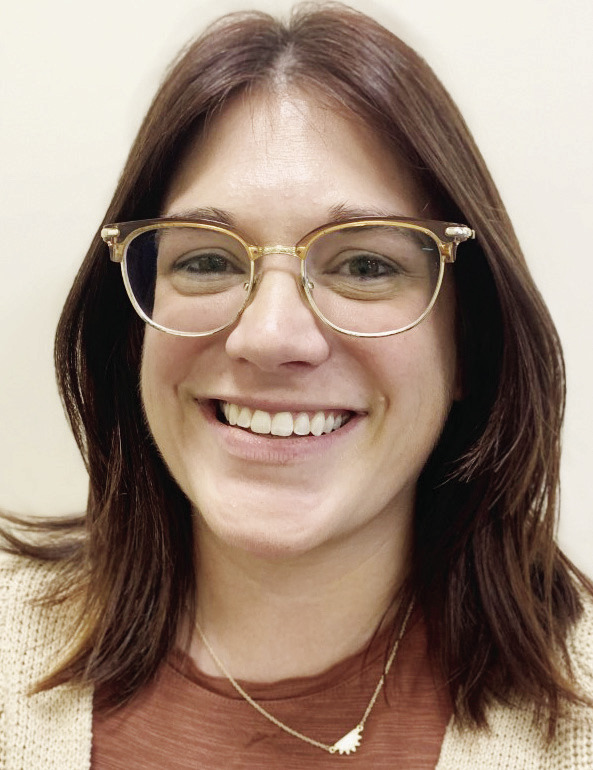
“With physical therapy, we can’t necessarily prevent all falls on ice and snow, but we can certainly improve patients’ overall reactive balance, which is their reaction time when they feel they’re about to slip and fall,” says Mercy Health physical therapist Alicia Skorich.
Skorich observes that many people are unaware they can get a physician’s referral for physical therapy without having a specific injury, noting, “If you’re at increased risk of falling— for example if you’re over age 65—that alone, combined with feelings of unsteadiness, would be a good enough reason to see a therapist. With winter weather coming, now is the time to talk to your physician and get a referral so we can get started working with you.”
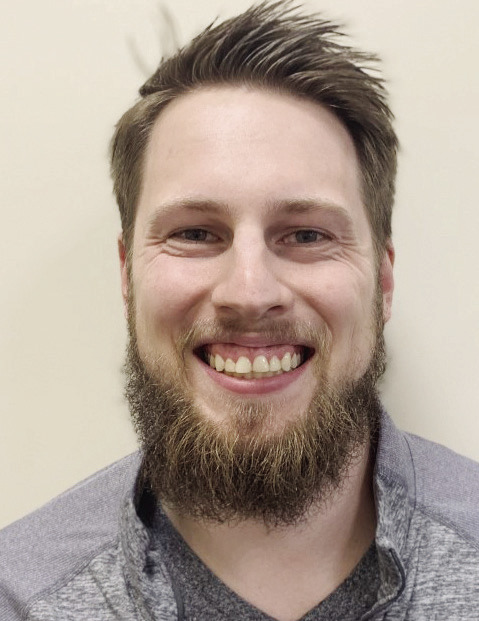
Mercy Health occupational therapist Matthew Rosser notes that he treats a fair number of older patients with fall-related injuries in wintertime and year-round. “For example, a lot of my patients have fractures, sprains, or bruising of the upper extremities caused by falling on an outstretched hand,” he says. “I see these types of injuries in the winter and summer months, but in winter the risk of debilitating injury tends to be higher.” Slip-and-fall accidents can be serious for people of all ages, but seniors are much more likely than younger people to have fragile, porous bones that are vulnerable to fracture; pre-existing chronic conditions that can complicate treatment and recovery after an injury; as well as a greater propensity to experience complications while undergoing surgery. As a result, of these and other factors, seniors are more likely to sustain severe, debilitating injuries if they fall and much slower to recover from those injuries than younger populations are.
Skorich comments, “If an elderly patient breaks a hip, there’s usually a long road to recovery ahead for them. When they come to physical therapy, we not only have to address the balance issue that put them at risk in the first place, but we also have to work to restore their strength, function, and mobility, and they may need to use assistive devices that they’ve never used before.”
Recovering from a debilitating injury and regaining function and mobility can involve physical therapy, occupational therapy, or a combination of the two, though many people are uncertain of what sets these disciplines apart. “Physical therapy focuses more on improving core and lower-body strength as well as balance and overall function,” Skorich explains. According to Rosser, “Occupational therapy is concerned more with the upper extremities from the shoulder down to the digits, improving fine motor control and dexterity, and getting patients back to activities of daily living, such as brushing teeth, getting dressed, cooking, and cleaning.”
Which specialist a patient sees will depend on the specific diagnosis. “We do have patients who require both, for example those who have had a stroke, which can affect the legs and ability to walk as well as use of the hands,” Skorich adds.
The Mercy Health – Maumee Physical Rehabilitation and Therapy team members possess specialized training and expertise in a variety of areas, which helps ensure patients have access to the best, most advanced care available. For example, Skorich is certified in dry needling, and Rosser has a strong background in athletic training and in helping patients recover from specialty orthopedic surgeries involving the upper extremities. Rosser can also do custom splinting and orthotics for patients if needed. In addition, there are therapists on the team who specialize in vestibular therapy, and others who specialize in running and running mechanics using stateof- the-art video technology. The team also treats many general orthopedic patients who are recovering from knee, shoulder, or other joint-replacement surgeries, as well as patients who need help managing chronic pain. For those who do experience a fall, either this winter or at any other time of year, Rosser emphasizes the importance of seeking therapy sooner rather than later. “Even if you think the fall was minor, if something is bothering you afterward, the sooner you get help, the better. If we can start treating you within a week or so after the fall, we can get your pain under control and restore your function and mobility much faster than if you wait until a month after the incident to come in,” he advises. ✲