
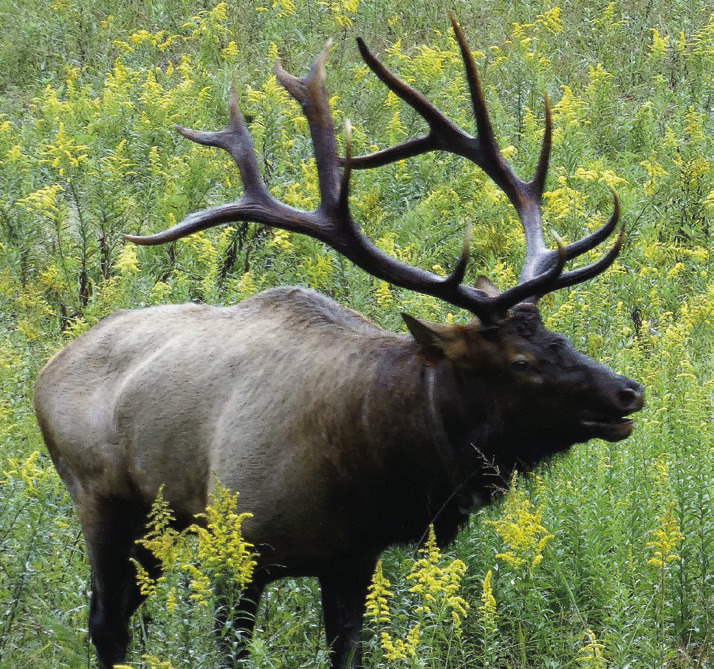
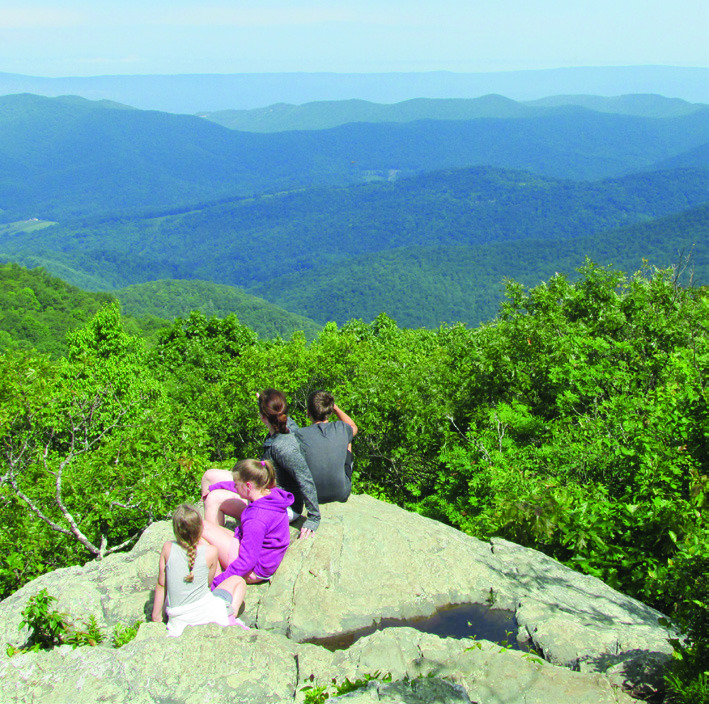
FALL IS BEAUTIFUL on the Blue Ridge, so Shirley and I repeated one of our favorite short trips. We started in Great Smoky Mountains National Park and then went up the 469 miles of the Blue Ridge Parkway, itself a national park, to Shenandoah National Park where the road continues for another 105 miles as Skyline Drive. Last year we had reservations for a week in beautiful Cades Cove but were informed at the last minute that the 11-mile loop road through the Cove was going to be closed for repaving. No use going to the Cove if you can’t actually get into the Cove, so we switched reservations to Smokemont. The fall colors were spectacular, and the bull elk were bugling to invite the cows over to watch football and drink some light beer. This year the Cove is open, so it was back to Plan A.
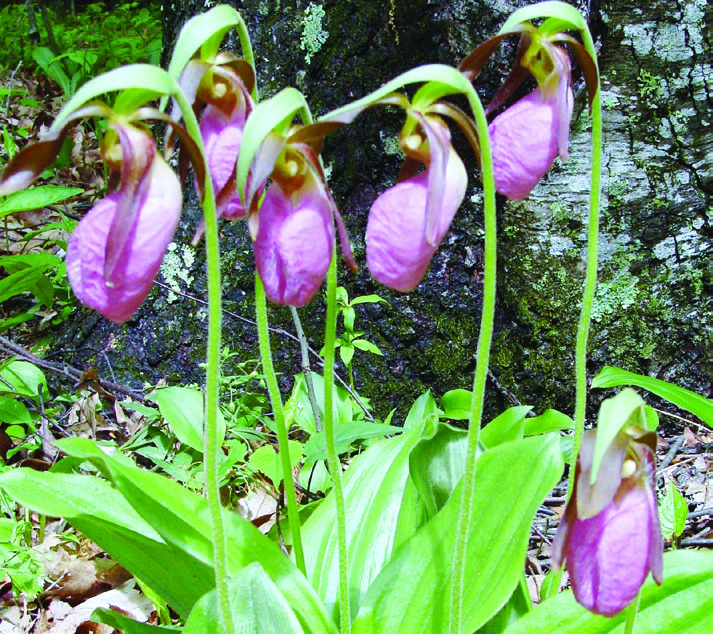
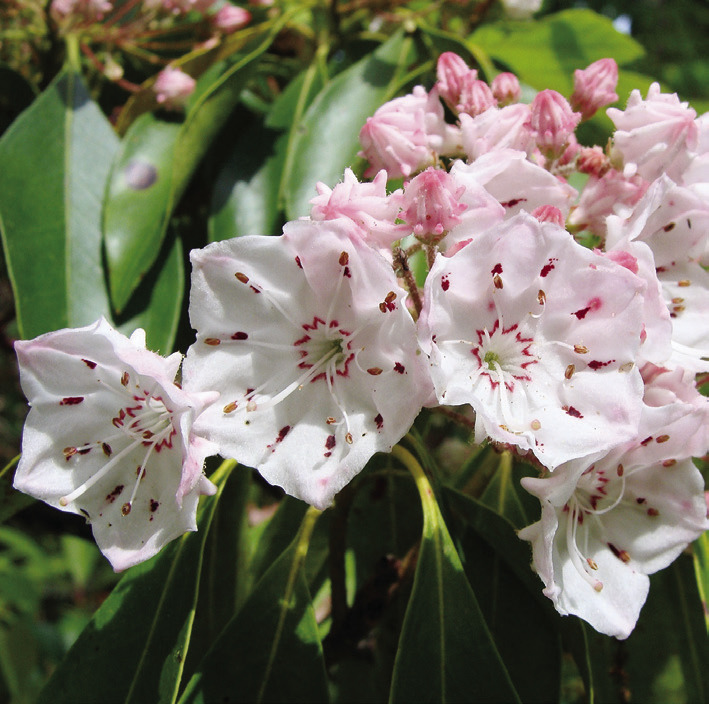
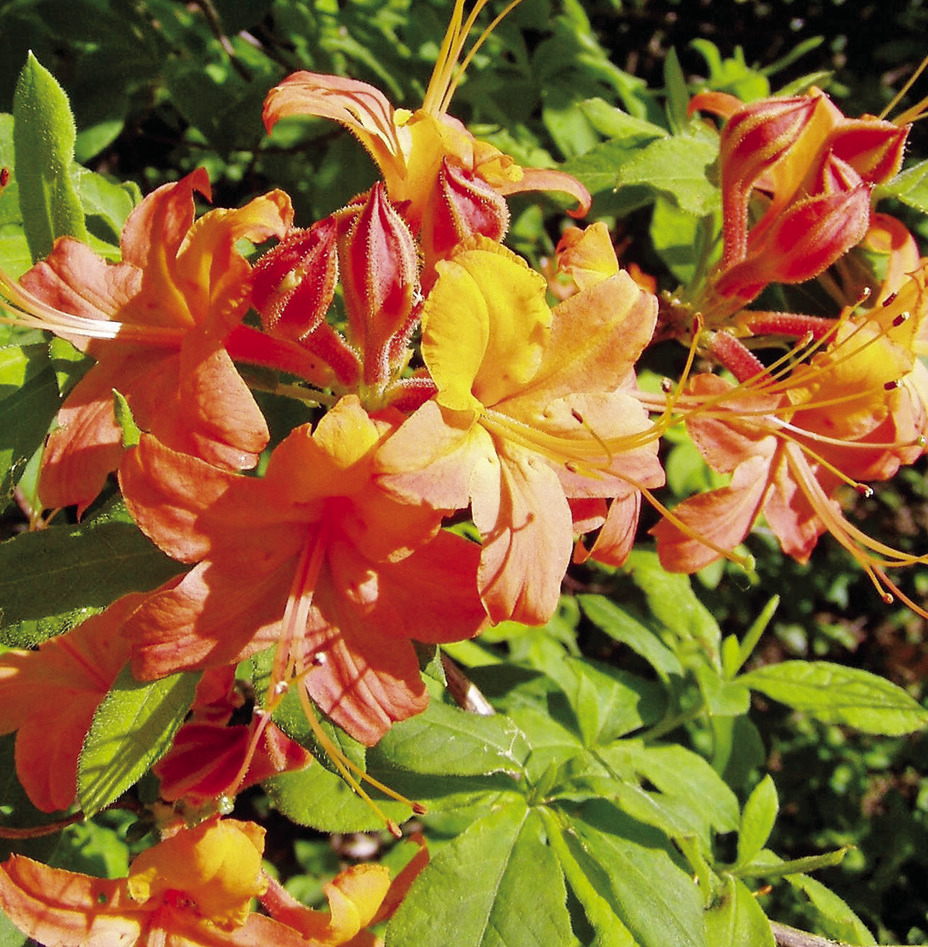
But there is no point in telling you how gorgeous the mountains are in their full fall color when it is already too late for you to plan your trip. You have plenty of time, though, to start thinking about spring. Besides, it is even more beautiful when the trees and wildflowers are in bloom and the deer have pretty spotted fawns in tow. And the elk cows, thanks to all that football and beer, have calves as a reminder that you should not believe everything the bull tells you.
Most travelers are not likely to do the whole loop from the Smokies to Shenandoah, or vice versa. If you don’t have the time or the inclination to devote two or three weeks to the Blue Ridge, there are national park lodges, motels, and B&Bs that make it convenient to choose smaller portions. Before we were Rvers, we used to book long weekends in park lodges and cabins when there were special end-of-season promotions that included meals. Then somebody at the Park Service asked, “Why do we have to offer big discounts when the park is full of leaf peepers?” There are still all-season discounts of 10-25% on cabins and rooms that range from $155 to $240. As in all the national parks, the rooms are nice but you are paying for the location.
Unlike national parks in the West, civilization runs right up to the edge of the road in scattered places along the Blue Ridge. Even so, because the road is closed to commercial traffic in all three parks, the quality of the experience is not diminished. Some people even think the experience is enhanced by easy access to conventional touristy stuff. Major attractions such as Dollywood have supporting hotels, restaurants, and gift shops that stand shoulder to shoulder the whole 14 miles from Sevierville, through Pigeon Forge to Gatlinburg on the Tennessee side. (We know people who did not seem embarrassed to admit they rented a mountainside cabin in Gatlinburg and never went into the park.) On the other side of the mountains is the Cherokee Indian Reservation with a slightly different set of options including a Harrah’s Casino. Nearby Bryson City has a variety of accommodations and restaurants with easy trails to three waterfalls on Deep Creek.
Newfound Gap Road runs from Gatlinburg to Cherokee with a view point and large parking area at the top of the ridge. Along the way, the forest changes from pine and oak at the lower elevations to spruce and fir at the ridge tops. Because it is a temperate rainforest, there is biological diversity far too extensive to catalog here. The park is an International Biosphere Preserve with more tree species than all of northern Europe as well as 1,500 flowering plants, more than 200 species of birds, and 60 mammals. Early in the morning, be on the lookout for wild turkeys, deer, and bears. As you approach Oconaluftee, be especially alert for elk. Deer will bound away. Elk are inclined to saunter down the road. The natural scenic attractions include mountain vistas, roads that are often parallel to tumbling mountain streams and close to waterfalls, and all that seasonal color. Avid hikers and backpackers can enjoy 800 miles of trails, including 70 miles of the Appalachian Trail. Less avid walkers will appreciate the 14 Quiet Walkways that allow you to appreciate the forest on a fourth to half a mile of mostly level ground. Watch for the signs along Little River Road and the Newfound Gap Road.
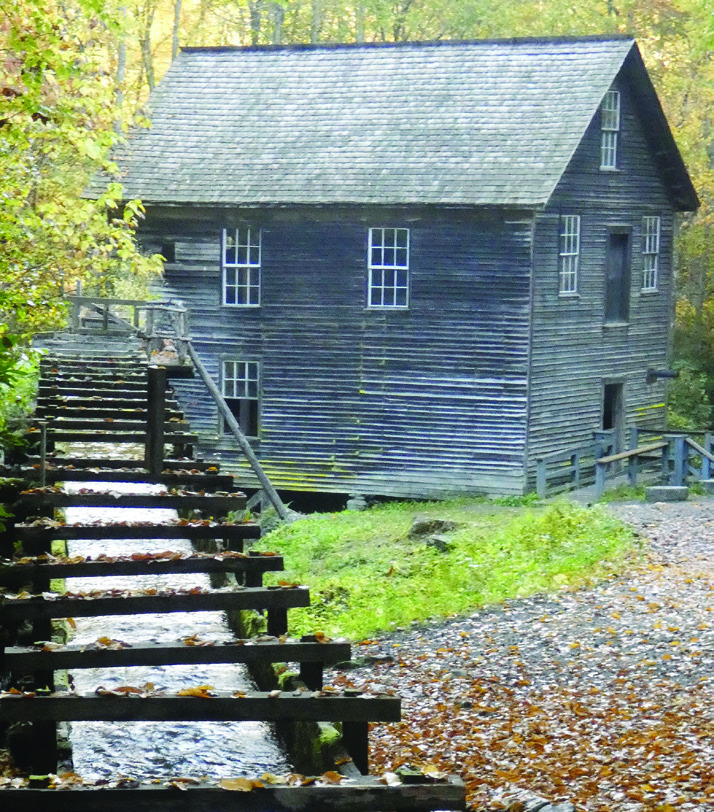
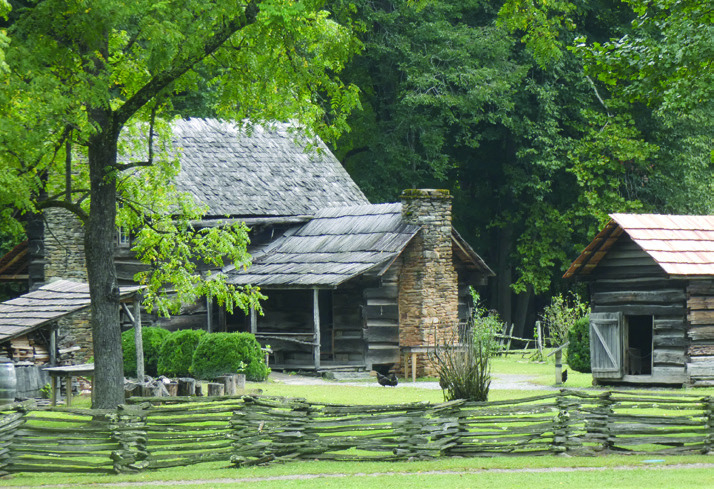
All three national parks on the Blue Ridge were carved entirely from private land, so there are vestiges of pioneer life: log cabins and barns, churches, cemeteries, functioning grist mills, and two Mountain Farm Museums. The one in the Smokies is actually a historic demonstration farm rather than a “museum” in the usual sense of the term: log house and outbuildings, a large barn, farm animals, gardens, apple orchard and fields.
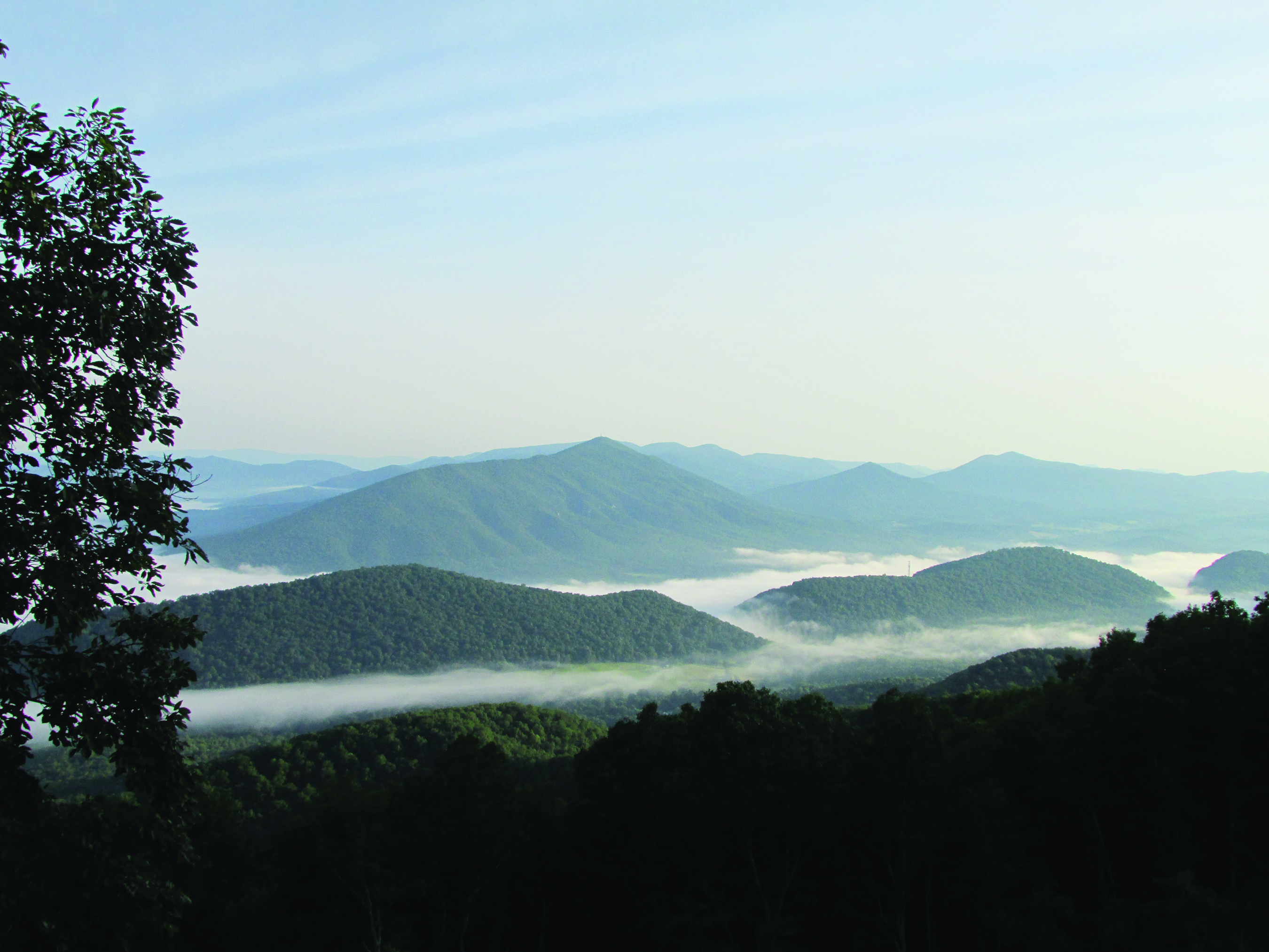
You could be quite happy devoting your entire time to the Smokies and not begin to exhaust all it has to offer. You might be tempted, however, to continue up the Blue Ridge Parkway that begins at the Smokies boundary on the Carolina side. Our first overnight is at Mt. Pisgah, only about 60 miles up the Parkway at Mile Post 408. But this is not interstate highway driving. We stop often to admire the view with the other leaf peepers in the fall or the flower gawkers in the spring. (There are 280 pullouts on the Parkway to encourage this.) At about 5,000 feet, the Mt. Pisgah Campground is the highest on the Blue Ridge and can be a little cool at either end of the season that runs from May through October. About a half mile up the road is a national park lodge if you prefer a different level of comfort. There are great views from the deck. You may get fogged in, but as the day warms, the fog hanging between the mountains is itself an attraction.
About 20 miles farther is Asheville where we can highly recommend the Biltmore Estate in both spring and fall. There are accommodations on the Estate plus numerous options in Asheville. And just five miles north of Asheville is the Folk Art Center that features traditional crafts—furniture, quilts, wood utensils, wrought iron, pottery, blown glass at an exceptionally high level of craftsmanship.
The Parkway undulates along the crest of the mountains, so you can look off to the rolling Piedmont to the east or the series of mountain ridges marching to the west. Dramatic changes in elevation mean that temperatures vary widely depending on where you happen to be. As in Toledo, the day spring arrives is anybody’s guess. (Even so, the middle of May is usually pretty good.) The 575 miles of the Parkway and Skyline Drive run northeast, so latitude also influences temperature. The clothes you take with you should reflect the ranges of conditions you might encounter.
At MP 358 is the highest point on the Parkway at 5,676 feet, and nearby is a short side road to Mt. Mitchell, at 6,684 feet, the highest point east of the Mississippi. There is a tower at the top in case that is still not high enough for you. The lowest point, 649 feet, is at James River at MP 63, so be prepared for a lot of ups and downs.
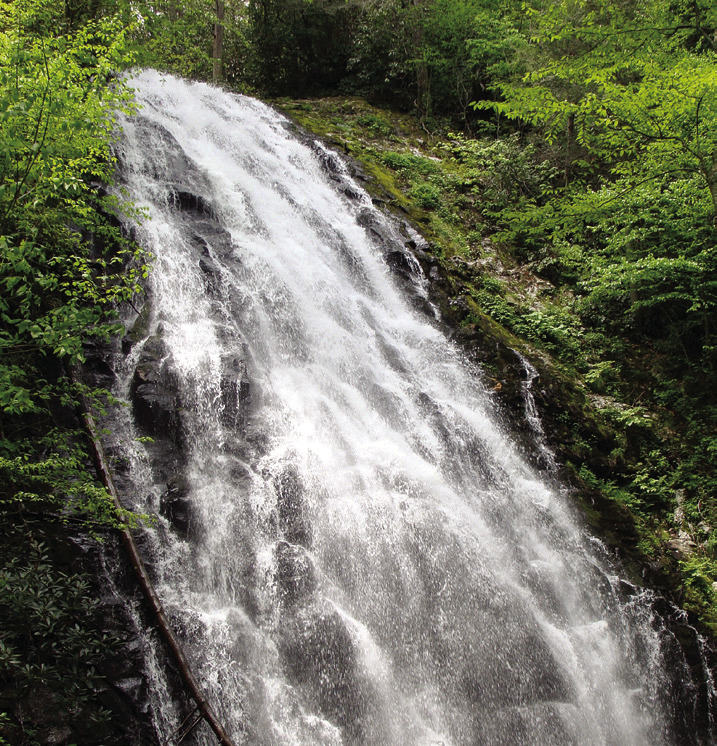
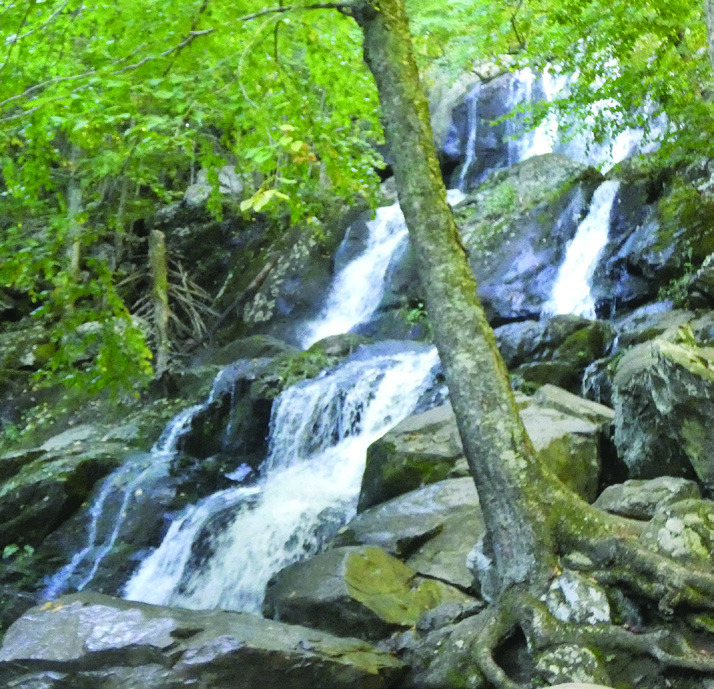
Crabtree Falls is at MP 340. Rather, the 2.5-mile trail begins there. The 70-foot falls are steeply downhill and even more steeply back uphill. Wildflowers grow all along the trail and in the mist of the falls.
At Linville Falls (MP 315) there are three trails: an easy 1.6-mile round-trip walk to an overlook; a shorter 1-mile route that is rated moderate; and a strenuous 1.4-mile hike. One of us decided we should bushwhack our way down to the base of the falls. One of us got us hopelessly disoriented in a tangle of rhododendrons, so the
provides a welcome place to recover from such foolishness.
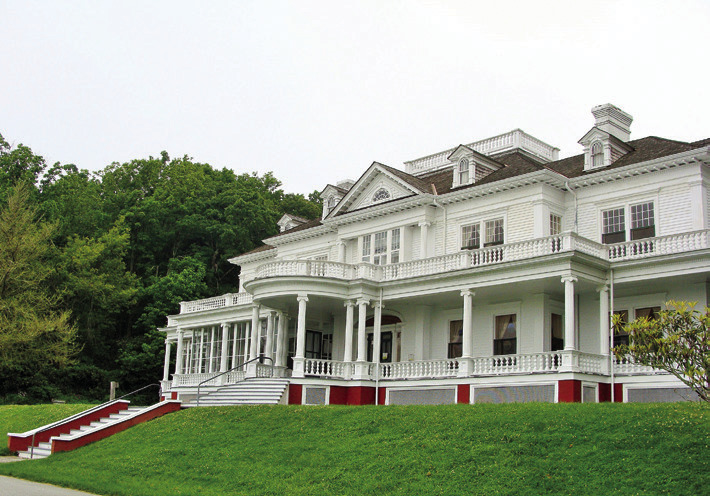
At MP 294 is the Moses H. Cone Manor House on the estate of a textile manufacturer who built it as a summer home at the turn of the 20th century. The manor overlooks Bass Lake and Cone’s extensive orchards—29,000 trees in 75 varieties of apples that won national and international awards. There are several easy-to-moderate trails on the grounds.
The Blue Ridge Music Center is at MP 210. There is a small but impressive museum devoted to traditional Scots-Irish mountain music, which should not be confused with the other two kinds—country and western.
n The auditorium books concerts and welcomes impromptu jam sessions of talented musicians.
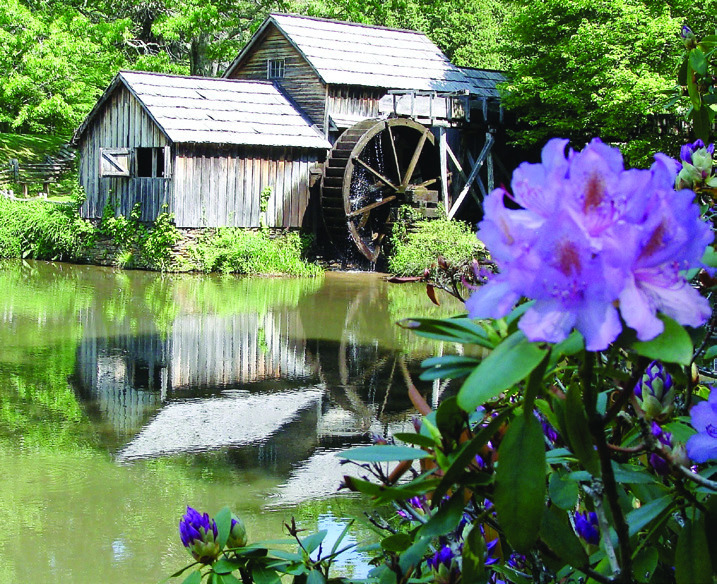
One stop we never miss is the Mabry Mill at MP 175. It is said to be the most photographed place on the Parkway. If you are a fan of downhome cooking, you will enjoy the restaurant. They are open for breakfast at 7:30 and remain open for lunch and dinner until 5:00 from May through October. Keep those hours in mind if you believe that dinner can’t or shouldn’t be squeezed in before 5:00. Shirley and I stay at the Rocky Knob Campground less than 10 miles up the road, so we can always fit breakfast or lunch into our schedule.
The 62-room Peaks of Otter Lodge is at MP 85 on Abbott Lake. There are several trails beginning there, including some that are challenging, as well as a nice walk out to the Johnson farm. Thomas Wood settled there in 1766, and his descendants sold it to John Johnson in 1852. His son Jason “modernized” the log cabin by encasing it in white clapboard siding and adding a dining room, kitchen, and porches. From a distance, it may look like any of a thousand modern farm houses you have seen but is still just a dressed-up log cabin.
Our next stop is at Otter Creek Campground. We always take a campsite on the creek because, in the fall, it is the perfect place to cool a bottle of bubbly for our anniversary celebration. Some years we are off by a day or two, but any day with bubbly in it is celebratory. Besides, bubbly keeps Shirley from thinking I forgot what day it is.
At the north end of the Parkway is the Humpback Rock Visitor Center that includes another pioneer farm with a log cabin and outbuildings. As in the Smokies, it is called the Mountain Farm Museum. I think the most interesting thing about the farm is that it was bought in the late 1800s for $3 per acre
News that Confederate money was worthless must have been slow in reaching the seller.
Where the Blue Ridge Parkway ends, Skyline Drive begins through Shenandoah National Park as a continuation of the same road. Though the Smokies, the Parkway, and Shenandoah are three separate national parks, in effect they form a single uninterrupted unit. A woman we met last year at Oconaluftee asked, “So, it’s just more of the same?” You could look at it that way. But we have never regretted doing the whole thing even if you’ve seen one, you’ve seen them all.
The attractions in Shenandoah, as in the other two, are impressive vistas, wildlife, waterfalls, and trails for every level of age and fitness. Over the years, Shirley and I have stayed at all four park campgrounds. Our favorite is Big Meadows because of its central location. There are park lodges and detached cabins at Skyland and Big Meadows but only cabins at Lewis Mountain. The lodges look out over the Shenandoah Valley. The rustic cabins are tucked back in the trees. The Appalachian Trail passes close to all of them. You might want to take a short stroll so you can brag to the folks back home that you “hiked the AT.”
Our favorite hikes in Shenandoah are to Stony Man, Hawksbill, and the Bearfence Rock Scramble for rewarding 360° views. We also like to go down to Deep Hollow and Lewis waterfalls. Because Skyline Drive is at the top of the ridge, all the waterfalls are downhill from the road. There was a time when we thought all of these hikes were pretty easy, but Mrs. Hipp and Mr. Nees are beginning to question that. The good news is, there are 75 pullouts on Skyline Drive, so you can enjoy the scenery even on days when you don’t feel up to a little walk in the park.
LeMoyne Mercer is the travel editor for Healthy Living News. You might want to visit AnotherWalkinthePark.blogspot.com for posts about these and numerous other destinations.
✲
