
The top-five questions about fruits and veggies
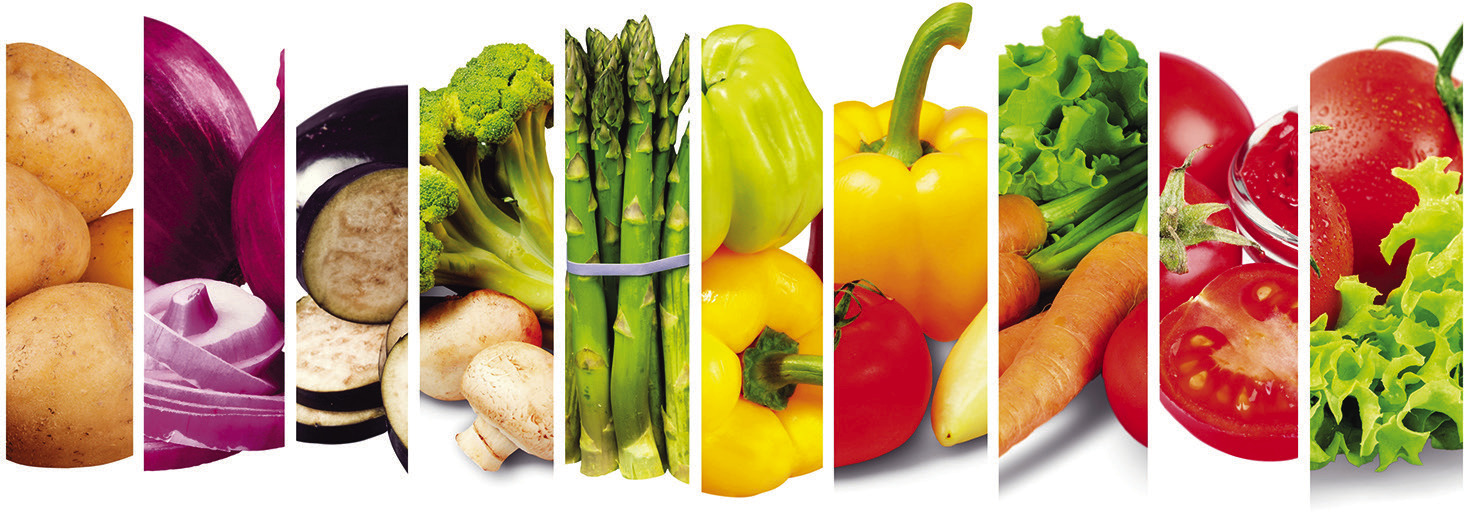
AS A DIETITIAN, I’m often asked questions about different foods, and I thought you, dear readers, might like to know the answers to some of these common queries. Sticking with our recent fruit-and-vegetable theme, here are the top-five questions I get on this topic along with the answers I typically provide:
Q: How do I get in the recommended five fruits and vegetables a day? Can I take those fruit and veggie pills I see advertised?
A: Fitting in five servings of fruits and vegetables every day can seem overwhelming, but it’s important to understand that the serving size is dependent upon several factors, including your age, sex, height, weight, and level of exercise. So, the respective serving sizes for a 25-year-old lumberjack and a 90-year-old grandma aren’t going to be the same. Generally speaking, the recommendation is three cups of vegetables and two cups of fruit, but this can vary depending on the factors I just listed.
I usually like to tell people to have one piece of fruit at each meal, breakfast, lunch, and dinner—e.g., a banana at breakfast, an apple at lunch, and strawberries as dessert after dinner. As for vegetables, try to eat one serving at lunch (e.g., a salad or raw/cooked vegetable) and two servings at dinner (e.g., a tossed salad and cooked broccoli).
Always start your dinner preparations by making the salad first. In the process, you can sneak in a few more veggies by snacking on your salad ingredients, such as red pepper slices, radishes, cherry tomatoes, celery, carrots, cucumber slices, etc. Then, stream, grill, or roast the other vegetable to have with your meal. When it’s broken down like that, people usually say, “Oh, I can do that.”
So, what about those fruit and veggie pills? Well, I usually remind people of that old adage about something sounding too good to be true. The pill manufacturers process the fruits and vegetables they contain into powder, so they lack hydrating water, fiber, and those little compounds called phytochemicals that are naturally found in our food. The fact is, there is no evidence that you can substitute these pills for the real thing, although their marketing may say differently!
Q: Is fruit bad for me because of all the sugar in it?
A: Sugar has been getting a bad rap in the media, and many people are hesitant to eat foods that contain sugars. This reluctance is somewhat justified because there is plenty of research exposing the detrimental health effects of consuming too much added sugar (e.g., sugar-sweetened beverages). However, there’s a weaker correlation between the sugar that occurs in fruit—fructose, nature’s sugar—and poor health. Overall, adequate fruit intake is associated with a lower risk of heart disease, high blood pressure, and type 2 diabetes.
Q: Are canned and frozen fruits and vegetables lower in nutrients?
A: The answer to that question depends on the type of produce and the type of processing involved. As a general rule, I recommend fresh produce, but for longer storage, canned and frozen products can preserve most of the nutrients. The emphasis here is on the phrase “most of the nutrients” because some nutrients are lost during processing. For instance, asparagus loses about 30% of Vitamin C during canning but only 10% after blanching and freezing. This range varies depending on the food and the exact form of processing. The takeaway is that fresh is best but eating canned and/ or frozen fruits and vegetables can be just as nutritious—and certainly a good alternative during the winter months.
A: Smoothies are popular with kids as well as adults. If you find it hard to chew through your 5-A-Day, you may be tempted to drink them instead. But, perhaps not surprisingly, the nutritional value of a smoothie depends on how it’s made. If whole fruits and/or vegetables (i.e., the skins, pulp, and flesh) are blended into the beverage, then the nutrients and fiber are preserved, making it a pretty nutritious alternative. However, many smoothies use other ingredients like processed fruit juice concentrate with added sugars, milk, seeds, frozen yogurt, and protein powders, which can really drive up the calories. Studies show that people who drink one or more servings of fruit juice a day are at risk of weight gain and developing type 2 diabetes.
Q: I’ve heard that iceberg lettuce is worthless from a nutritional standpoint? Is that true?
A: That’s not exactly true. Iceberg lettuce does contain healthful nutrients— providing fluid, fiber, small amounts of folate, Vitamins A and K, potassium, and very few calories (about 10 in 1 cup of shredded lettuce)— although darker greens have a bit more of the same nutrients and phytochemicals than lighter greens.
All lettuces contain about 95% water, so none of them provide huge doses of nutrients. Some people like the crunch of iceberg lettuce and its milder flavor as darker greens can be bitter. I usually recommend combining iceberg with romaine, spring mix, kale, or other lettuces for a tasty and nutritious 50/50 blend.
Hopefully my answers to these top-five questions have given you some clarity on the topic of fruits and veggies and how to incorporate enough of them in your diet. Laurie Syring, RDN/LD, is Clinical Nutrition Manager at ProMedica Flower Hospital. ✲
