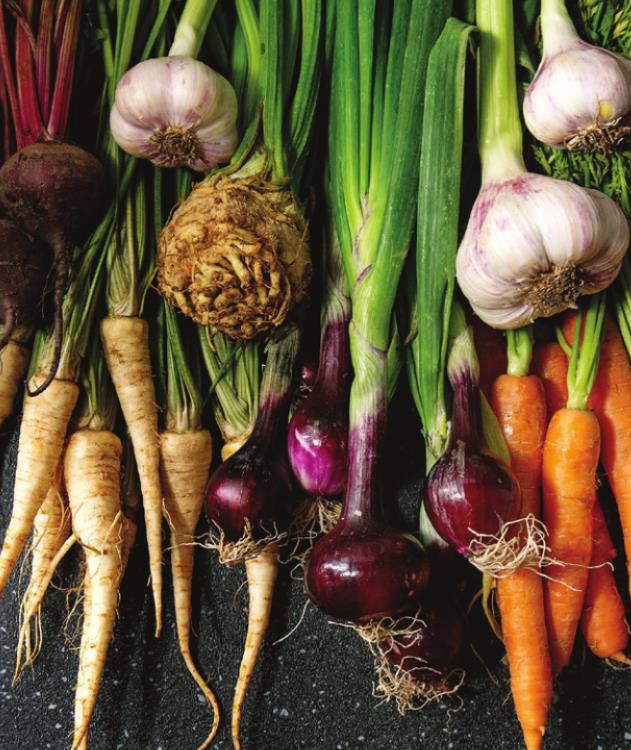
AS MANY TOLEDO-AREA RESIDENTS DISCOVERED during the COVID-19 lockdowns, vegetable gardening is a fun, healthy, rewarding activity that can keep the whole family productively occupied throughout much of the growing and harvesting season. Home gardening is also one of the best ways to encourage kids to try more veggies, especially if they’ve had a hand in growing them. Not to mention, everyone in the family will agree that homegrown veggies plucked fresh from the garden are simply much more flavorful than their store-bought counterparts.
However, for beginners who are dipping their toes into vegetable gardening for the first time, the process can seem a bit overwhelming. Here are some tips that will help the novice gardener start off on the right foot and reap the best possible harvest later on:
Focus on veggies you enjoy
There’s certainly nothing wrong with a little culinary experimentation, but it’s best to dedicate the bulk of your garden space to vegetables that are actually palatable to you and your family, not just easy to grow. So, if no one in your family appreciates cherry tomatoes, leave them out of your garden plan. Otherwise you’ll find yourself trying to foist your harvest on neighbors who may or may not appreciate the gesture.
Choose the right sun exposure and soil conditions
Though there are exceptions, most vegetable plants need at least six hours of direct sunlight each day in order to thrive and produce a good yield. So, try to choose a good, sunny spot on your property for your garden site.
The soil in your veggie garden plot should be well-drained and rich in organic matter (i.e. amended with an ample amount of compost) and worked to a depth of 8 to 12 inches. If you’re afflicted with heavy clay soil—as, unfortunately, many in our region are—consider planting your veggies in raised beds, which will give you complete control over your soil conditions. The pH of the soil is another important consideration. For most vegetable plants (again, there are exceptions), it should fall somewhere between 6 and 7.
Ensure convenient access to a water source
Proper watering throughout the growing season is a must if you want to get good results from a vegetable garden. Try to site your garden plot in convenient proximity to an external water source so you don’t have to link multiple hoses together and drag them over a long distance just to give your plants a drink.
Don’t bite off more than you can chew
It’s very easy to underestimate how much space mature vegetable plants need and the actual yield you can expect to get from each plant. For example, many gardeners have learned the hard way that planting multiple zucchini plants in springtime can result in a disproportionate amount of their garden space getting used up and the production of more summer squash than they can possibly consume or give away.
It’s best to start small and look at your first garden as an experiment to determine what works for you and what doesn’t, whether you need to plant more or fewer plants of a given type next season, whether you want to plant a greater or lesser variety of vegetable types than you did this season, whether you need to increase or decrease the size of your garden plot, etc.
Give yourself room to work
In determining the placement and spacing of plants in your veggie garden, be sure to leave enough room between rows or groupings so you can conveniently access each plant for harvesting as well as routine chores such as watering, weeding, pruning, inspecting for disease/pests, etc.
Give ‘em support
Those tiny veggie plants you started from seed or purchased in 4-inch pots are going to grow much, much larger in very short order. Not only does this mean that proper spacing is essential for the health of your plants, but also that many of them will need support in the form of stakes or cages so they don’t collapse under the weight of their own foliage and fruits. Be sure to research the maximum size and growth habit of all your plants (e.g. whether tomatoes are “determinate” or “indeterminate”), and be prepared to support them with stakes, cages, or trellises accordingly.
Plan for pests
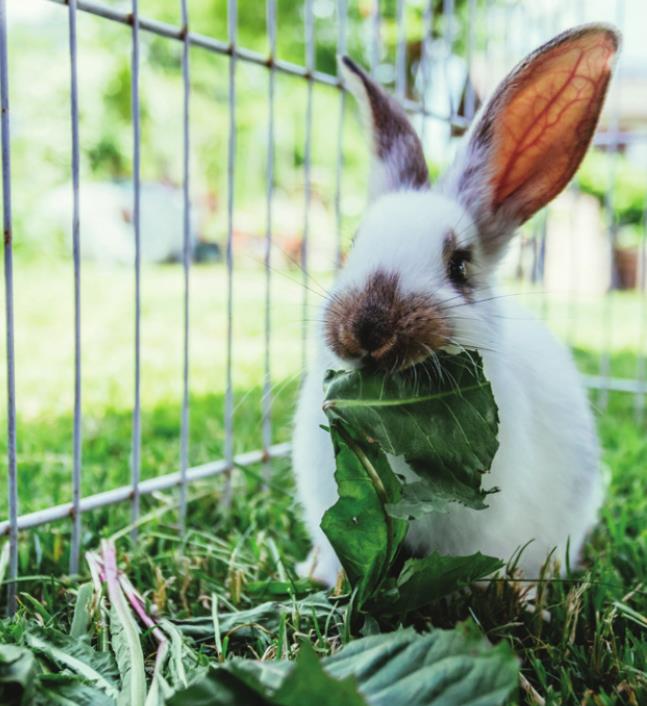
Last but certainly not least, it’s important to be aware that a wide variety of pests enjoy feasting on delicious home-grown veggies just as much as gardeners do. These can take the form of herbivorous/omnivorous mammals, such as rabbits, chipmunks, deer, and raccoons; or various insects and/or their larvae, such as aphids, Japanese beetles, cabbage loopers, tomato hornworms, squash bugs, and many others. You’ll likely need to manage one or more of these pests as the growing season progresses.
The effective control will vary widely depending on the species in question, so it’s important to identify exactly what you’re dealing with and then target your control tactics appropriately. Of course, if you decide to use any chemical products to kill or repel pests, make sure they’re rated as safe for use on vegetable plants and apply them in strict accordance with the manufacturer’s label instructions.