MANY PEOPLE IN OUR COMMUNITY were already struggling with drug or alcohol addiction before COVID-19 arrived, but the scope of this problem has only broadened since the pandemic began. As a result, more and more of our family members, friends, neighbors, and coworkers are in need of addiction treatment and support services in order to reclaim their lives and avoid relapse.
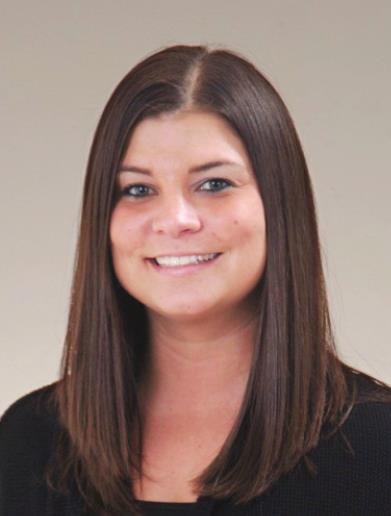
Katie Cotton, LISW, a clinical social worker and family therapist in the University of Toledo Medical Center’s Department of Psychiatry and Recovery Services, explains, “When the pandemic hit and the lockdowns were imposed, a lot of people turned to substance use or transitioned from occasional use to heavy use as a coping mechanism. Initially, the lockdowns were a major cause of concern for us because with mental health and recovery, the last thing you want to do is isolate yourself. Here in Psychiatry, though, we didn’t skip a beat. We went virtual immediately so we could continue to provide the highest possible level of care and meet patients right where they are.”
The UTMC Department of Psychiatry and Recovery Services was also quick to recognize that the COVID-19 lockdowns might discourage some people from seeking treatment because group support would be unavailable. In response, the team promptly provided technology to people in recovery that allowed them to participate in a group format from home.
Cotton notes that the road to recovery for those grappling with substance abuse begins with the recognition that the addiction lifestyle is not working. “It can be as simple as deciding that it’s not something they want to do anymore, realizing that it’s destroying their life and relationships. It comes down to making a commitment to change. Once they come to that realization, we can start working on recovery and get the ball rolling on preventive strategies, coping skills, and helping them learn to live in a different way,” she says.
However, recognizing that there’s a problem isn’t enough by itself.
Once this step is taken, the UTMC team can assess where the individual is, link him or her to resources both on site and out in the community, and create a personalized treatment plan. Cotton emphasizes that UTMC is poised to provide outpatient care regardless of where patients are in terms of their substance use—whether they have one day of clean time, one hour of clean time, or no clean time at all.
The UTMC Outpatient Recovery Services program consists of an interdisciplinary team of therapists, a nurse practitioner, a case manager, and medical assistants, who provide comprehensive treatment options based on the individual’s needs. The team focuses on helping patients develop new behaviors, skills, and healthy lifestyle practices needed for successful transition from clinical care management to self-management. This support includes medication assisted treatment (MAT), group therapy, individual therapy, case management, and intensive outpatient treatment (IOP). Inpatient recovery services are also available for those needing a higher level of care.
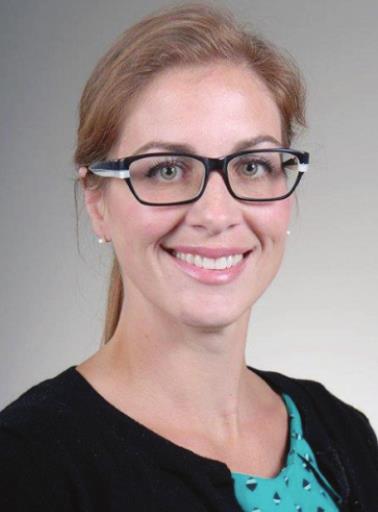
Nichole Monahan, LISW, a clinical therapist in behavioral health at UTMC, underscores the fact that recovery is an ongoing journey best taken in smaller steps. “The idea of committing to a whole year of sobriety can be overwhelming. It’s okay to take it one day, one hour, or even one minute at a time with the idea that those smaller increments will add up. It’s really important to be in that moment, not aiming for a goal that’s so daunting and anxiety-provoking,” she comments.
When striving to break the cycle of addiction, it’s also essential for the person in recovery to identify and learn to avoid triggers—essentially any people, places, or situations that have typically been associated with their substance use. “For example, if you usually go to a particular grocery store on the way home from work to buy alcohol, it’s helpful to start taking a different route that doesn’t take you past that store. The goal is to identify your boundaries and make small lifestyle changes that build on each other, keeping in mind that, depending on the choices you make, you’re either working toward recovery or working toward relapse every moment of every day,” Cotton says.
In addition to advising patients to avoid triggers and take the recovery journey one day at a time, Monahan offers these tips:
• Stay engaged with others who are working toward recovery, attend meetings, and stay engaged in treatment to help keep you focused and linked with those who share the same goals.
• Accept that making mistakes does not mean you have to quit on your goals. Forgive yourself and try again, letting those moments add up to days, weeks, and years.
• Find healthy hobbies and try something new. Invest in yourself by doing activities that are good for you. Hobbies don’t always cost money—there are many things you can participate in that are free or low-cost.
• Practice mindfulness. Every day, take a few minutes to give yourself a break. Using the five senses to stay in the moment can be helpful in achieving balance. Smell candles, watch clouds pass, close your eyes and guess which side of a penny you’re feeling, eat a mint slowly, listen to a fan.
• Advocate for yourself. Ask for help, contact your providers, make notes of health changes, and communicate your triggers. Be honest when you are struggling.
• Stay positive and take a moment each day to find something good or that you are grateful for.
Again, the recovery journey begins with a single step—showing up for treatment. “We won’t expect you to have all the answers when you get here. Just show up, even if your commitment is rocky, and we’ll take it from there. You’ll soon recognize that you’re not alone. There are people who are ready to support and encourage you when you’re ready to make that lifestyle change,” Cotton states.
To contact UTMC’s outpatient recovery services program, located at Ruppert Health Center, 3125 Transverse Drive, Toledo, Ohio, please call 419-383-5695. For inpatient services, call 419-383-5695, option 5.
The most important—and often hardest—step toward recovery is overcoming the reluctance to change and actually showing up for treatment.