MOST PEOPLE ARE AWARE THAT LEADING A HEALTHY LIFESTYLE IS KEY to living a longer life and avoiding chronic illnesses. Most of us also know there’s a strong cause-andeffect relationship between certain cancers and particular unhealthy habits. However, what’s less commonly known is that leading a healthy lifestyle not only reduces one’s risk of developing cancer overall, but also influences treatment options and helps optimize outcomes in those who already have a cancer diagnosis.
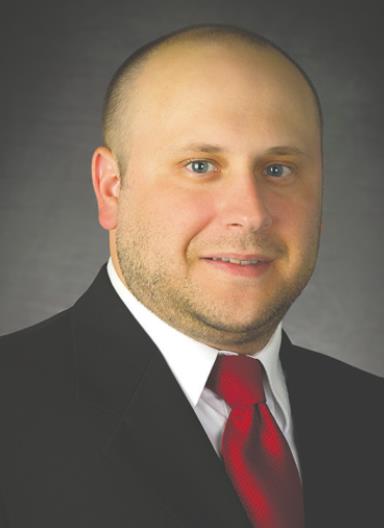
“It’s now well established that lifestyle affects the incidence of cancer,” states Richard Phinney, MD, of The Toledo Clinic Cancer Centers. “Certain unhealthy habits, such as smoking, alcohol consumption, IV drug use, and being overweight or obese, are all known to increase the risk of developing cancer—and not just the common ones we tend to associate with particular behaviors, such aslung cancer in smokers. For example, smoking can also lead to cancer of the bladder among many other cancers, and alcohol consumption increases the risk of gastrointestinal malignancies as well as liver and pancreatic cancers.”
To appreciate just how important smoking avoidance is when it comes to cancer prevention, consider that, according to the Centers for Disease Control and Prevention (CDC), 40 percent of cancers diagnosed in the US may have a link to tobacco use. In fact, the CDC (cdc.gov) notes that, in addition to lung cancer, smoking is associated with cancers of the mouth and throat, voice box, esophagus, stomach, kidney, pancreas, liver, bladder, cervix, colon and rectum, as well as acute myeloid leukemia.
Dr. Phinney further explains that infections acquired through sexual contact or IV drug use, such as HIV and hepatitis, also significantly increase the risk of developing certain cancers, specifically lymphoma and other hematologic cancers in the case of HIV, and liver cancer in the case of hepatitis.
Avoiding these unhealthy behaviors and other modifiable risk factors can go a long way toward keeping people cancer-free, but in addition to avoiding unhealthy habits, it’s important to adopt healthy ones. For example, staying active and getting proper nutrition can significantly reduce the risk of developing cancer as well as give patients diagnosed with cancer better odds of beating the disease.
“We’ve seen that it’s harder to give aggressive cancer treatment to patients who aren’t physically fit,” Dr. Phinney says. “Those who are medically frail or have numerous comorbidities seem to have more difficulty tolerating treatment and tend to experience more side effects compared to those who are fit and robust. Once a person is dealing with a cancer diagnosis, doing anything and everything they can to optimize their lifestyle and diet will have a positive influence on their treatment and outcome.”
In terms of nutrition, Dr. Phinney doesn’t recommend any specific diet—and certainly doesn’t endorse fad diets. His advice is simply to eat a well-balanced, nutritionally well-rounded diet. “I counsel patients to choose foods with the fewest modifications possible. For example, an apple picked from the tree and washed before eating is considered unmodified. On the other hand, if you take that same apple, chop it up, and combine it with ingredients like flour, sugar, eggs, and butter to make a pie, you’ve now made a lot of modifications. I also suggest avoiding processed foods as much as possible, which means limiting foods that come in a box or can—or anything that comes out of a window,” he says.
Dr. Phinney’s succinct advice with respect to lifestyle and cancer risk is easy to remember: “Avoid all tobacco products—and I would include vaping in there, limit alcohol consumption, and try to live the most active, healthy lifestyle possible. Doing these things will lower your cancer risk significantly.” The Toledo Clinic Cancer Centers,
The Toledo Clinic Cancer Centers, located at 4126 N. Holland Sylvania Road, Suite 105, also provides imaging, laboratory, chemotherapy, specialized pharmacy, and IV services. The cancer center consists of 8 medical and 3 radiation oncologists along with 11 nurse practitioners and 4 research nurses. The cancer center also has satellite centers in Maumee, Napoleon, Bowling Green, Wauseon, and Monroe.
The Toledo Clinic Cancer Centers has earned Patient-Centered Specialty Practice level 3 recognition and Oncology Medical Home recognition from the National Committee for Quality Assurance. Oncology homes align systems and resources with coordinated care focused on cancer patients and their needs. This reduces fragmentation, supports shared decision making, and improves the patient experience. They are the first oncology practice in the state of Michigan and the second oncology practice in the state of Ohio to receive this recognition. For more information, please call
For more information, please call The Toledo Clinic Cancer Centers at 419-479-5605.