“LOOKS LIKE SALMONELLA.”
“Sam and Ella, who are they?”
HLN readers of a certain vintage may recall this exchange between Colonel Sherman T. Potter and Sergeant Luther Rizzo from an episode of the long-running TV comedy series M*A*S*H. In this particular episode, turkeys sourced by Corporal Max Klinger for a Thanksgiving feast turn out to be contaminated with Salmonella and sicken most of the camp.
While this food-poisoning scenario was exploited to comic effect in M*A*S*H, anyone who’s suffered through a bout of Salmonella poisoning in real life knows it’s no laughing matter. In fact, while most infected people recover without specific treatment, some get sick enough to require hospitalization and some even lose their lives to this diarrheal illness.
The Centers for Disease Control and Prevention (CDC) estimates that Salmonella poisoning causes about 1.35 million infections, 26,500 hospitalizations, and 420 deaths in the United States every year. Those most vulnerable to severe illness or fatality are elderly persons, infants, children under five, people with compromised immune systems, and people taking certain medications, such as stomach acid reducers.
What causes Salmonella poisoning?
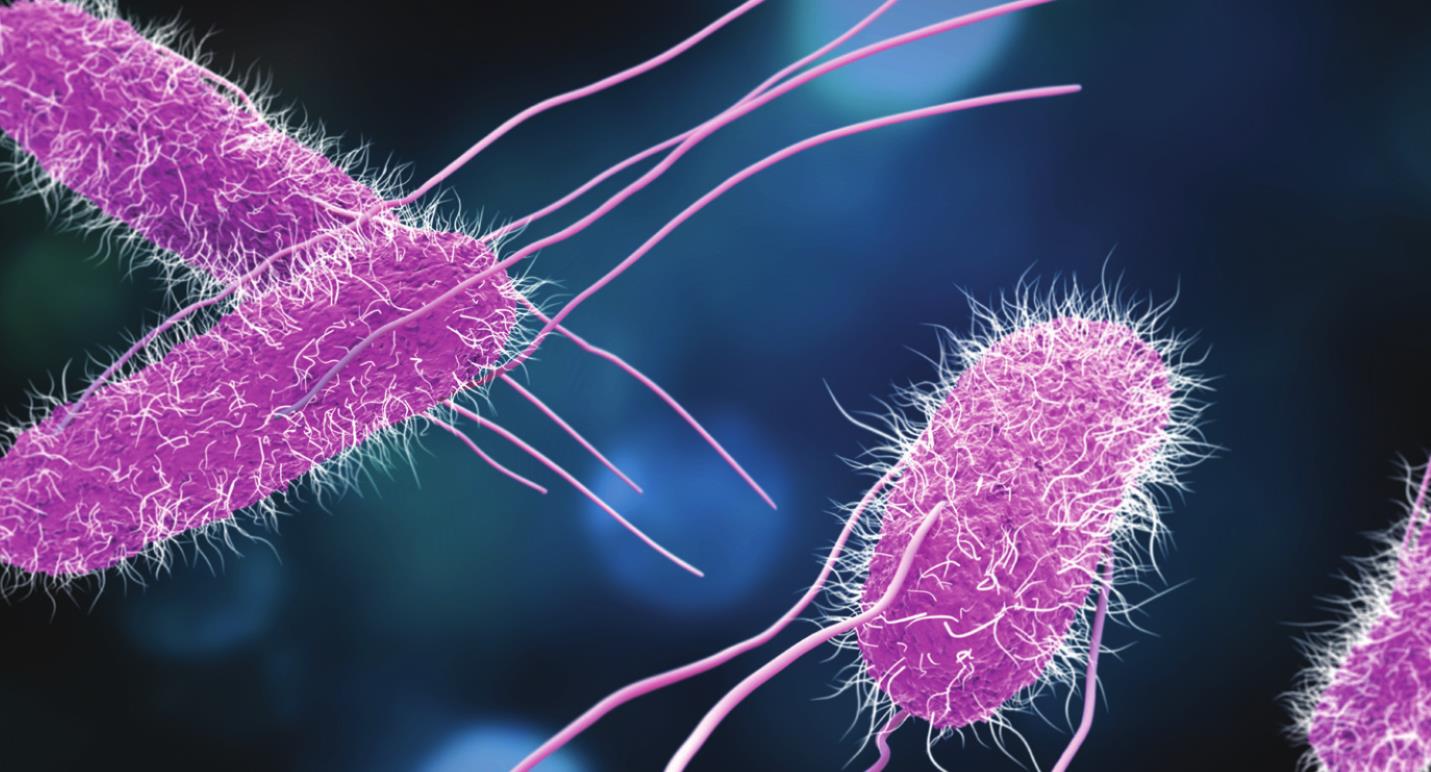
Salmonella poisoning, or salmonellosis, is caused by various strains of Salmonella bacteria, which are present in the intestines of infected animals and people. Food can become contaminated with Salmonella when it comes into contact with the fecal material of an infected animal or person at any stage of processing or handling (including by human food handlers who fail to wash their hands after using the restroom).
According to the CDC, contaminated foods usually look and smell normal, and may include beef, chicken, eggs, fruits, pork, seafood, sprouts, vegetables, and even processed foods, such as nut butters, frozen pot pies, chicken nuggets, and stuffed chicken entrees.
It’s important to note that meats labeled “organic” or “natural” are not any less likely to be contaminated with Salmonella bacteria. Also, freezing does not kill the bacteria, so don’t assume foods purchased in the frozen-food aisle are any safer than fresh foods in terms of their potential for Salmonella contamination.
Reptile, amphibian, or bird owners who handle their pets without thoroughly washing their hands are at greater risk of contracting salmonellosis as these animals are known carriers of Salmonella bacteria. Petting zoos and farms are also common sources of Salmonella exposure. Perhaps not surprisingly, the keeping of backyard poultry, which has grown in popularity in recent years, has been linked to multiple Salmonella infection outbreaks across the country as well.
What are the symptoms?
According to the CDC, people infected with Salmonella develop diarrhea, fever, and abdominal cramps within six hours to six days of infection, and it usually takes four to seven days for the illness to run its course. Most infected people recover fully after that period, but in some instances, the bacteria can spread from the intestines to other parts of the body, causing further health complications.
How is it treated?
Because salmonellosis usually resolves within four to seven days, treatment other than increasing fluids to prevent dehydration is not usually necessary for otherwise healthy adults. Intravenous rehydration may be needed in cases of severe diarrhea, and, if the infection spreads beyond the intestines, your doctor may prescribe a course of antibiotics.
How do I prevent it?
Of course, the best way to contend with Salmonella poisoning is to prevent infection in the first place. That requires taking a careful approach to food preparation and implementing safety measures when in contact with live animals, including (but not limited to):
• Wash your hands, cutting boards, countertops, dishes, and utensils before handling or preparing foods.
• Cook meat and poultry until there are no traces of pink and the internal temperature is at least 160 degrees Fahrenheit. Eggs should be cooked until the yolks are solid. Cook fish until the meat is opaque and flaky and the internal temperature is at least 145 degrees Fahrenheit.
• Never drink unpasteurized milk.
• Never eat products containing raw eggs, such as homemade cookie dough, undercooked French toast, homemade eggnog, some Caesar salad dressings, and hollandaise sauce.
• Avoid cross contamination by separating raw meat, poultry, and seafood from other foods in the refrigerator; using separate cutting boards for meat and produce; and avoiding handling cooked foods with plates or utensils that have been contaminated with raw juices.
• If you have (or suspect you have) a Salmonella infection avoid preparing food or drinks for others until you no longer have diarrhea.
• When dining in a restaurant, check meat, poultry, or eggs for doneness before eating and send back undercooked meals for additional cooking.
• Wash hands thoroughly after using the toilet, changing diapers, or helping someone with diarrhea clean up after using the toilet.
• Wash your hands thoroughly after touching any pet or other animal (or a pet’s/animal’s food, toys, enclosure, habitat, litter box, or other associated items) as well as after cleaning up any animal’s feces. Make sure kids do the same.
• Never kiss pets or other animals.
What about fresh produce?
As noted above, raw fruits and vegetables (as well as products that contain raw produce, such as salsa, guacamole, and pico de gallo) can be a source of Salmonella poisoning. To reduce the risk of infection from fresh produce, select undamaged fruits and veggies that are free of soil; store your fresh produce in a cool, dry place to prevent any bacteria that may be present from proliferating; clean your refrigerator frequently with a food-safe household cleaner; and wash fruits and vegetables with a food-grade detergent under running, warm water right before eating.
Most important, be alert to and promptly heed any government warnings or recalls that might apply to the foods in your kitchen.