CANCER CARE REQUIRES A TWO-PRONGED APPROACH that addresses not only the disease and its symptoms, but also any side effects associated with treatment. In fact, when side effects are managed effectively, cancer patients are better able to tolerate and comply with their treatment regimen, which in turn often correlates with better outcomes.
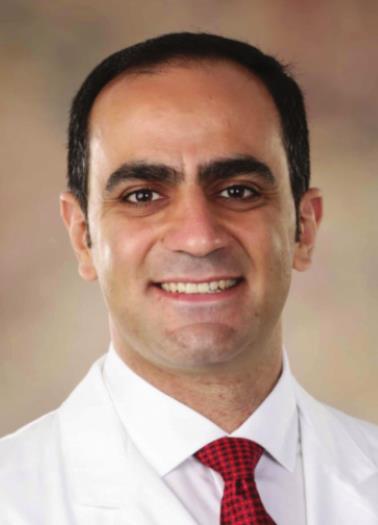
According to Ahmad Zarzour, MD, of The Toledo Clinic Cancer Centers, fatigue is the most common side effect related to cancer treatment. He notes that this symptom is usually mild to moderate in severity but is often cumulative, meaning it tends to worsen with consecutive treatments. Other common side effects include nausea and vomiting, diarrhea, hair loss, peripheral neuropathy (numbness or tingling in the extremities), and low blood count.
Cancer treatment side effects can vary widely in type and severity depending on factors such as the specific treatment regimen, the dose administered, and the individual. “Some side effects can occur without the patient even being aware of them, such as low blood count, while others, such as nausea, can range from mild to moderate to severe depending on the patient. It’s highly variable. Most side effects are short-lived, for example having nausea for a day or two following chemo and then feeling better, but some can be longer-lasting, such as neuropathy, which can persist for months or even years in some cases,” Dr. Zarzour says.
He further explains that the various systemic cancer treatments used at The Toledo Clinic Cancer Centers—including chemotherapy, immunotherapy, targeted therapy, and hormonal therapy—tend to have different associated side effects. He notes that traditional forms of chemotherapy, which usually work by attacking the DNA of cancer cells, can cause a variety of side effects that vary by the individual, treatment regimen, and dose, and tend to be less tolerable to patients than the other systemic treatments.
Dr. Zarzour continues, “Immunotherapy, which works by activating the immune system to attack cancer cells, can also cause side effects, but is very well tolerated overall, much more so than chemo. Targeted therapies, which attack specific targets on cancer cells, such as a mutated protein or receptor on the cell, are also easier to tolerate than chemo, and their potential side effects depend on the specific target. For example, some can cause skin-related effects such as rash. Hormonal therapies, which work by lowering the level of specific hormones in the body, for example estrogen or testosterone when treating breast cancer or prostate cancer, can cause side effects related to the reduced hormone level, such as hot flashes, bone loss, or lowered libido.”
The good news is, cancer treatment side effects can almost always be managed effectively, and recent medical and technological advances are making it even easier to control or prevent them. For example, Dr. Zarzour notes that major strides have been made in the treatment of chemotherapy-related nausea. “It used to be like you see in the movies, with the patient throwing up all day after treatment, but that’s not the case anymore. There are numerous good medications we can use to treat nausea from chemo and help patients get through their treatment with a much greater level of comfort. Another big advance we’ve seen is in the area of hair loss prevention. At The Toledo Clinic Cancer Centers, we can use a special device to cool the patient’s scalp during infusion, which lowers the risk of hair loss with certain types of chemo. In addition, the state of Ohio has legalized the medical use of marijuana, which has been shown to help with symptoms such as anxiety and poor appetite,” he says.
However, in order to take advantage of the latest advances in the management of cancer treatment side effects, it’s incumbent upon patients to inform their care providers promptly if they’re experiencing unpleasant symptoms. Dr. Zarzour points out that some patients try to “tough out” side effects until their next appointment and end up suffering needlessly when help is readily available.
Dr. Zarzour also urges cancer patients to inform their care team if they experience a side effect that many people have never heard of—so-called financial toxicity. This term refers to any financial hardship stemming from patients’ cancer care, for example inadequate insurance, high copays they can’t cover, or the loss of employment. “Financial difficulties can be very stressful, and it’s unfortunate when patients have to deal with them on top of any physical problems associated with their cancer and treatment. However, we have financial counselors available here to help patients overcome these challenges, so we want them to tell us about them,” he says.
Cancer patients can also do their part to prevent or reduce the severity of treatment side effects by making certain healthy lifestyle choices, such as drinking an adequate amount of water to stay properly hydrated. “A lot of patients don’t drink enough and become dehydrated, weak, and dizzy. Some even end up needing IV fluids to keep hydrated,” says Dr. Zarzour.
In terms of food, Dr. Zarzour encourages patients to eat whatever appeals to them because it’s important to maintain their weight during treatment. Otherwise, they may get weak and be unable to tolerate treatment.
Exercise being good for both the body and mind, Dr. Zarzour also advocates getting regular physical activity throughout treatment, with the caveat that patients should “listen to their body” and avoid overexertion. Of course, patients are also urged to avoid or quit smoking. Dr. Zarzour considers smoking cessation a top priority because smoking has been shown to not only lower the efficacy of treatment, but also to worsen cancer.
One major misconception about cancer treatment side effects that Dr. Zarzour would like to dispel is that getting chemotherapy or other treatments for cancer will actually make patients feel worse than the disease itself will. “While we can manage the side effects of treatment, cancer left untreated and uncontrolled will continue to advance and make patients feel much worse than any side effects will. We don’t want a misconception to deter anyone from getting the treatment they need,” he emphasizes.
The Toledo Clinic Cancer Centers, located at 4126 N. Holland Sylvania Road, Suite 105, also provides imaging, laboratory, chemotherapy, specialized pharmacy, and IV services. The cancer center consists of 9 medical and 2 radiation oncologists along with 10 nurse practitioners and 4 research nurses. The cancer center also has satellite centers in Maumee, Napoleon, Bowling Green, Wauseon, and Monroe.
The Toledo Clinic Cancer Centers has earned Patient-Centered Specialty Practice level 3 recognition and Oncology Medical Home recognition from the National Committee for Quality Assurance. Oncology homes align systems and resources with coordinated care focused on cancer patients and their needs. This reduces fragmentation, supports shared decision making, and improves the patient experience. They are the first oncology practice in the state of Michigan and the second oncology practice in the state of Ohio to receive this recognition.
For more information, please call The Toledo Clinic Cancer Centers at 419-479-5605.