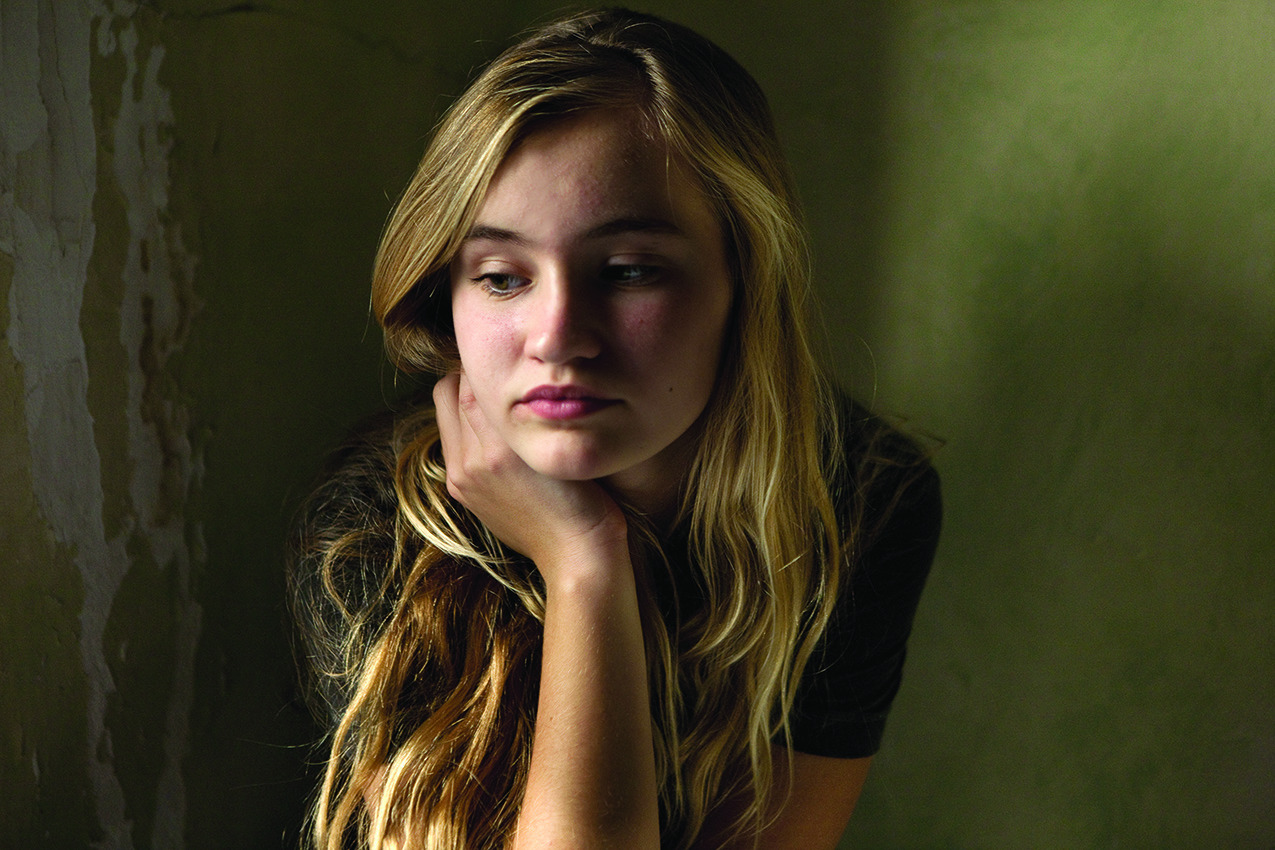
Mental health issues were once stigmatized to such an extent that many people dealing with problems like anxiety and depression felt uncomfortable speaking about them or even seeking help.
Though some may still find it difficult to acknowledge their mental health issues, society has made great strides in regard to destigmatizing mental health conditions and recognizing how common such problems are.
Parents may be surprised to learn that many mental health issues begin in childhood. According to the National Institute of Mental Health (NIMH), anxiety disorders, depression and other mood disorders can start to develop long before children leave for college. Recognition of that reality may compel parents to learn more about children and mental health, including signs of potential issues and how to determine if certain behaviors are indicative of a burgeoning issue or a part of normal development. Identifying mental health issues in children
The NIMH notes the difficulty in distinguishing between behaviors that are a normal part of a child’s development and those that suggest a potential mental health problem. Parents know that children’s behaviors and emotions can be challenging to deal with, but that’s often a normal part of a child’s development that youngsters outgrow with age.
The NIMH notes that time is a potential indicator of a mental health problem, and encourages parents to seek help if a child’s challenging behavior or emotions persist for weeks or longer. Kids will not outgrow negative behaviors overnight, but persistent problems that extend for weeks or months could be indicative of something beyond normal developmental hurdles.
Behaviors and emotions that cause distress for a child or the child’s family are another potential indicator of a mental health issue. In addition, behaviors or emotions that interfere with a child’s ability to function, be it at school or at home or among friends, may indicate the presence of a mental health issue.
What if signs suggestive of mental health issues are present?
The NIMH advises parents to be proactive if they notice signs of mental health issues in their children.
Parents can begin by contacting their child’s teacher and asking how the child behaves in school, both in the classroom and on the playground.
A child’s pediatrician also can be a valuable resource. Share the particular behavior(s) or emotion(s) that are causing concern with the child’s pediatrician.
The pediatrician may note if the behavior is part of normal development or may recommend a mental health professional to further address the issue.
Is an evaluation really necessary?
The aforementioned stigma associated with mental health issues may make even the most well-intentioned parents hesitant to seek an evaluation. But evaluations can set children on a path to improved mental health, and it’s worth reminding parents that issues like anxiety and depression are quite common and nothing to be ashamed of. In fact, a large-scale 2023 study published in the journal The Lancet Psychiatry found that one out of every two people in the world will develop a mental health disorder in their lifetime.
Evaluation is one of the initial steps toward overcoming mental health issues, and children may exhibit different signs that an evaluation is necessary based on their age. For example, the NIMH notes that young children who often seem fearful or worried and those who have frequent tantrums or are irritable much of the time may benefit from a mental health evaluation.
Older children who engage in self-harm behaviors or those who diet or exercise excessively can benefit from an evaluation. Additional age-based indicators that an evaluation may be necessary can be found at nimh.nih.gov.
Many mental health issues begin in childhood. Parents can keep an eye out for indicators of mental health issues and work with their children’s health care providers to determine the best course of action.
Did you know?
Data from the U.S. Department of Health and Human Services indicates nearly one in two adolescents has had a mental health disorder at some point in their lives.
The World Health Organization reports that anxiety disorders, which can involve panic or excessive worry, are the most prevalent mental health issues among adolescents.
In fact, data from the Institute of Health Metrics and Evaluation indicates about 4 percent of the world’s 10- to 14-year-olds and 5.5 percent of 15- to 19-year-olds across the globe will experience an anxiety disorder.