No bones about it–protein works
FOLLOWING THE DOCTOR’S ORDERS TO STAY HEALTHY REQUIRES SOME CHANGE.
When I was in rehab years ago, multiple physicians, including my physical therapist, primary care doctor and neurologist, advised eating a diet packed with protein.
My physical therapist mentioned that eating a healthy amount of protein every day would help sustain body movement and bone health. The lifestyle change has given me the extra strength I need to stand longer and to avoid falling.
Many of us know the importance of protein because protein is in every cell of our bodies. Our bodies need protein from the foods we eat to build and maintain bones, muscles and skin. We get proteins in our diet from meat, dairy products, nuts and certain grains and beans.
Proteins from meat and other animal products are complete proteins. This means complete proteins supply the amino acids the body can’t make on its own. You should eat different types of plant proteins every day to get all the amino acids your body needs. Since protein is in every cell in the body, protein helps the body's function and aids the healing process.
You need to eat protein every day, because your body doesn’t store it the way it stores fats or carbohydrates. How much you need depends on your age, sex, health and level of physical activity. The Mayo Clinic suggests that protein should account for 10 to 35 percent of your caloric intake. So, if your daily needs are 2,000 calories, that's 200-700 calories from protein or 50175 grams.
In general, you should try to meet your dietary protein needs with these whole foods instead of supplements. You don’t need protein supplements if your energy intake is adequate for building lean mass.
Manufactured foods don't contain everything you need from food, and manufacturers don't know everything that should be in food.
The healthiest protein options include:
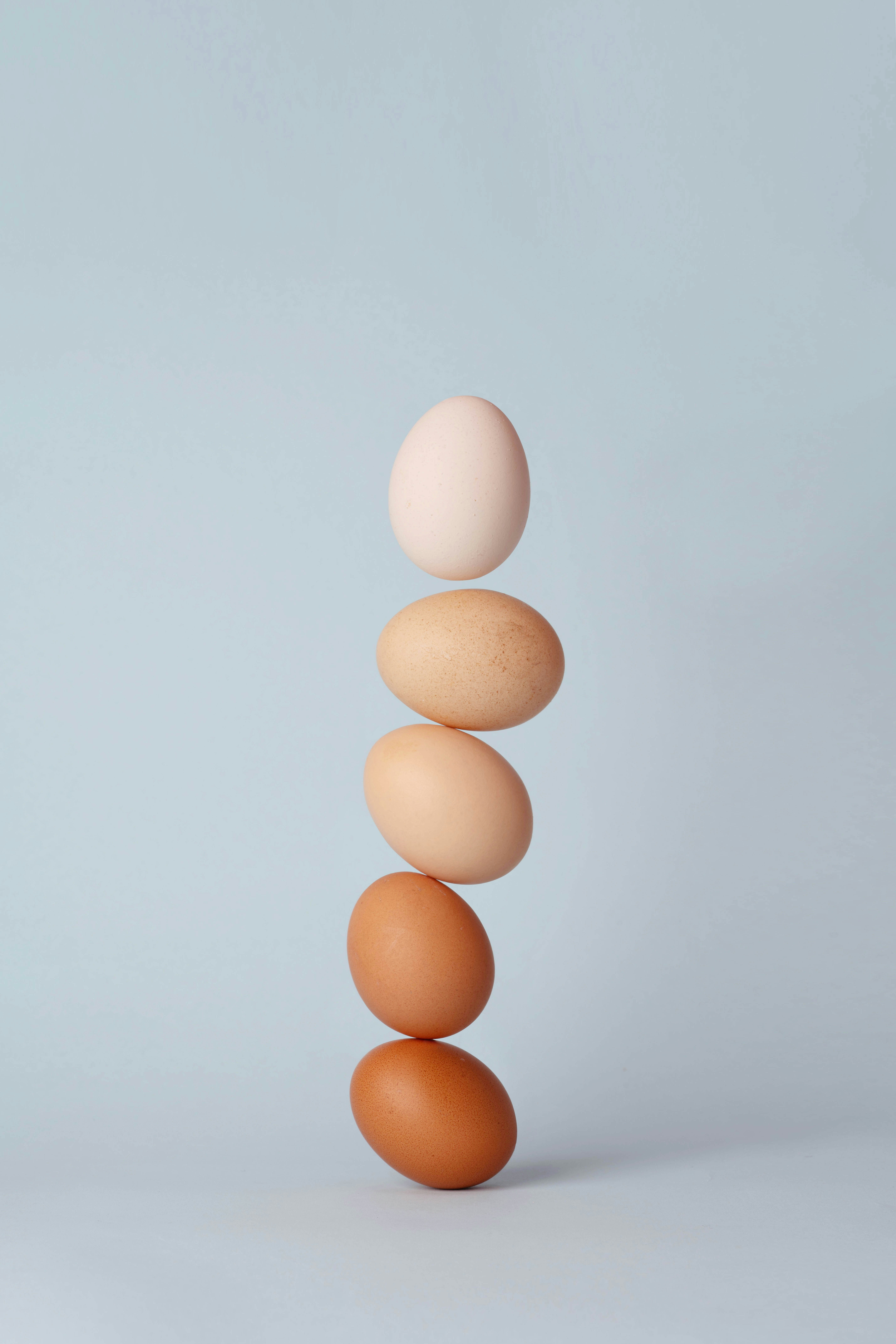
•Eggs: I found that a large egg had 6.3 grams of protein, an extralarge egg had 7 grams, and a jumbo egg had 8 grams. Of course, the white of the egg has more protein than the egg yolk.
•Grains: Some bread and bagels I noticed on food labels have 12 grams of protein per serving.
•Healthy fats: I found an avocado has four grams of protein.
•Low-fat dairy: I found out Greek yogurt has 15-20 grams of protein, depending on the brand.
Other food sources that have protein include:
•Tuna, on salad greens with a few almonds.
•Fish or seafood.
•Cheese and dairy products.
•Black beans, lentils and kidney beans.
•Lean meats, such as skinless, white meat chicken or turkey.
•A spoonful of peanut butter is a quick way to add protein.
•Plant sources such as soy, nuts and seeds.
Whenever a medical professional gives me a list of things to do to maintain health, I call it medical achievement or homework. Sometimes, I make it easier to do one thing at a time to achieve my health goals. Despite ongoing health goals, I am working with my doctor to continue to stay as healthy as possible.
I am proud that achieving one goal at a time has allowed me to gain some control over my health, to feel accomplished, and to do my best to stay as healthy as possible.
Sister Karen Zielinski is the Director of Canticle Studio. Canticle Studio is a part of the Sisters of St. Francis of Sylvania, OH’s overall advancement effort and has a mission of being a creative center where artists generate works, products, and services in harmony with the mission of the Sisters St. Francis.
She can be reached at kzielins@sis tersosf.org or 419-824-3543. ✲