MEDICAL INTERVENTIONS such as radiation, chemotherapy, immunotherapy, and surgery, may come to mind when we think of the tools available to help cancer patients fight their cancer. What’s often missing from that list is support for the cancer patient and the caregiver. This support can be physical, emotional, spiritual, or financial. Support, or lack of support, can have a tremendous impact on cancer patients’ well-being from the time of diagnosis, throughout their treatment regimen, and beyond. Though most family members and friends want to help, support, and encourage their loved one with cancer in any way they can, they don’t always know the best way to go about it
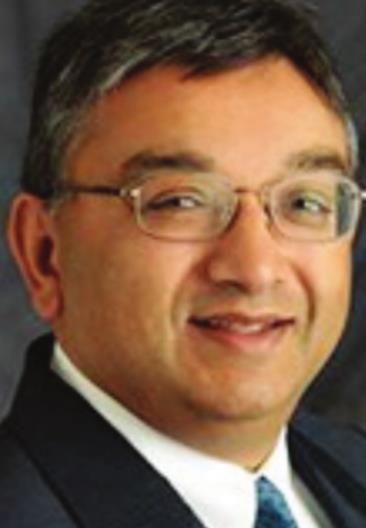
According to radiation oncologist Dhaval Parikh, MD, of The Toledo Clinic Cancer Centers, there’s no one-size-fits-all approach to supporting cancer patients—it really comes down to listening. “Every patient is different in a variety of respects. Some want more attention from loved ones; some want less. Some have a more severe case; some have a less severe case. Some have more restrictions; some have fewer restrictions. Listen to your loved one, and try to find out what they really want and need from you,” he says. “Keep in mind that it’s not about you; it’s about them. Family and friends want to do whatever they can to help a loved one who has been diagnosed with cancer, but sometimes in their need to help, they can push too hard or overwhelm them.”
Many cancer patients wish to remain as independent as possible and may have a hard time accepting help from others, even when they really need it. Dr. Parikh reminds these patients, “You’ve been there to help your friends and family many times in the past and doing that made you feel good. Accepting their help now might make them feel good, too.”
In many cases, the best form of support loved ones can provide is practical in nature—e.g., helping to organize the vast amount of information patients and their caregivers receive, offering rides to and from appointments, or preparing meals. When it comes to cooking meals, however, Dr. Parikh emphasizes that loved ones need to proceed with caution. “Chemotherapy can change the patient’s taste buds, so there may be some foods they’re willing to eat and others they aren’t, even if they liked them formerly. There also may be some foods they can’t even look at.”
A cancer diagnosis can be overwhelming for both the patient and his or her caregiver. In fact, oftentimes the primary caregiver needs more assistance than the cancer patient does because the bulk of responsibility falls on them. One major support for caregivers is to donate blocks of time to visit the patient. This allows the caregiver to attend to other responsibilities or simply to rest and recharge their batteries.
Some family and friends may wonder what is the appropriate amount of help to offer the caregiver. Dr. Parikh says the best way to answer this is to consider the nature of the relationship that existed prior to the cancer diagnosis. “If you were casual acquaintances before, it probably won’t be appropriate for you to stop by every day to check on them. On the other hand, if you were close, they may want to maintain that connection. Just be sure to ask yourself whether you’re doing it for the right reasons. Are you going there to make yourself feel better? Are you avoiding going there because you don’t feel comfortable and don’t know what to say? Find out what they need and be available to them. Listen and let them be your guide,” he says.
It’s also important to understand that caregiver and cancer patients’ needs and capabilities are likely to change as their cancer and treatment progress. Nonetheless, it’s vital that loved ones try to maintain as much normalcy as possible. That might require some tempering of expectations, taking into account that the patient could have diminished energy or fatigue due to treatment. “For example, if the patient loves playing cards, you should still try to play together, but you might need to reduce the length of playing sessions,” says Dr. Parikh.
One thing loved ones should not do is pay visits to a cancer patient with the expectation of being treated like a guest, even if they’re coming from out of town. Oftentimes friends and family are unaware how tiring it can be for someone fighting cancer to cope with visitors. If you do go for a visit, make it clear that you’re there to help and that you don’t expect to be entertained or served meals. If the cancer patient needs to rest, let him or her rest. Again, you might also offer to sit with the patient for a while so the caregiver can get some much-needed rest.
Dr. Parikh also cautions against overwhelming a loved one who has cancer with information or advice gleaned from the internet about the latest cancer-fighting superfood or supplement. “There’s a difference between information and knowledge. The internet is a great source of information and misinformation, but it’s not a very good source of knowledge. It’s fine to look into alternatives and get second opinions, but you don’t want to get too aggressive about it or do anything that creates doubt in the patient’s mind about his or her physician or care team,” he says.
The bottom line is that the support and encouragement of cancer patients and their caregivers improves patient outcomes. Though hard data on the subject is difficult to find, Dr. Parikh can attest from his many years of experience in the field of oncology that patients who have a strong support system can focus their energy on other things, are happier with themselves, and are better able to handle and overcome the challenges of both their disease and their treatment regimen than those who lack support. There are many local, national, and internet resources available to support cancer patients and their caregivers. Be sure to ask your healthcare team about resources in your area. And, importantly, do not be afraid or ashamed to ask for help or support.
The Toledo Clinic Cancer Centers, located at 4126 N. Holland Sylvania Road, Suite 105, also provides imaging, laboratory, chemotherapy, specialized pharmacy, and IV services. The cancer center consists of 8 medical and 3 radiation oncologists along with 11 nurse practitioners and 4 research nurses. The cancer center also has satellite centers in Maumee, Napoleon, Bowling Green, Wauseon, and Monroe.
The Toledo Clinic Cancer Centers has earned Patient-Centered Specialty Practice recognition and Oncology Medical Home recognition from the National Committee for Quality Assurance. Oncology homes align systems and resources with coordinated care focused on cancer patients and their needs. This reduces fragmentation, supports shared decision making, and improves the patient experience. They are the first oncology practice in the state of Michigan and the second oncology practice in the state of Ohio to receive this recognition.
For more information, please call The Toledo Clinic Cancer Centers at 419-479-5605.