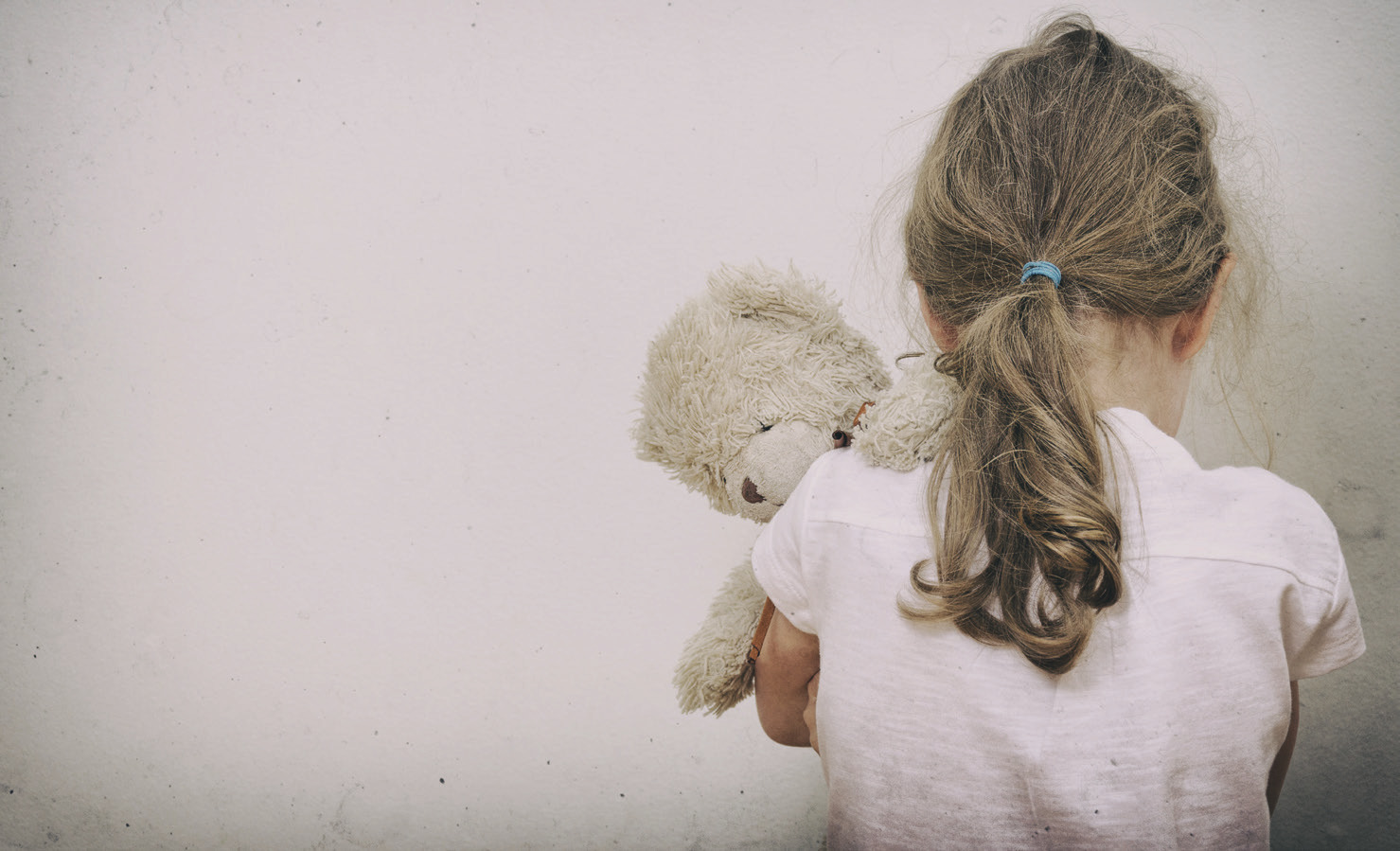
The impact of domestic violence is not just skin deep. Though bumps and bruises may be the most overt sign of domestic violence, the effects of abuse on families are more insidious, spreading outward to touch lives like concentric ripples on the surface of a pond.
Tragically, kids are all too often caught up in the cycle of domestic violence. In fact, Futures Without Violence, an organization dedicated to ending violence against women and children around the world, reports that 15.5 million US children live in families in which partner violence occurred at least once in the past year, and seven million children live in families in which severe partner violence occurred.
These numbers clearly indicate that our society has a lot of work to do when it comes to preventing domestic violence and protecting our youngest citizens from being exposed to abusive situations.
Kids can be exposed to domestic violence in a broad variety of ways. According to an online fact sheet provided by The National Child Traumatic Stress Network, “They may hear one parent threaten or demean the other, or see a parent who is angry or afraid. They may see or hear one parent physically hurt the other and cause injuries or destroy property. Children may live with the fear that something will happen again. They may even be the targets of abuse.”
It’s also important to note that domestic violence is seldom strictly limited to hitting, shouting, and other overt forms of physical or verbal abuse. Abusers often attempt to control their victims through other forms of coercion or intimidation, sometimes long before physical violence erupts.
For example, they might try to isolate the victim from family and friends through various measures or keep an extremely tight grip on the family purse strings so the victim has no economic agency.
Just as kids can experience domestic violence in many ways, their response to the exposure can take many different forms. Difficulty sleeping, nightmares, bedwetting, anxiety, depression, aggressiveness, hyperactivity, difficulty concentrating, and poor school performance are just a few examples. What’s more, Futures Without Violence notes that, “Children who experience childhood trauma, including witnessing incidents of domestic violence, are at a greater risk of having serious adult health problems including tobacco use, substance abuse, obesity, cancer, heart disease, depression and a higher risk for unintended pregnancy.”
Even more concerning, children who are exposed to domestic violence are at greater risk of themselves becoming future victims or perpetrators of domestic or dating violence, thus continuing the cycle.
Recognizing the signs of domestic violence is not always easy. Abusers’ objective is to establish power and control over their victims, and this can involve different means and behaviors at different times. The website of the National Domestic Violence Hotline (thehotline.org) lists the following abuse warning signs to look for:
• Telling you that you never do anything right.
• Showing extreme jealousy of your friends or time spent away from them.
• Preventing or discouraging you from spending time with others, particularly friends, family members, or peers.
• Insulting, demeaning, or shaming you, especially in front of other people.
• Preventing you from making your own decisions, including about working or attending school.
• Controlling finances in the household without discussion, such as taking your money or refusing to provide money for necessary expenses.
• Pressuring you to have sex or perform sexual acts you’re not comfortable with.
• Pressuring you to use drugs or alcohol.
• Intimidating you through threatening looks or actions.
• Insulting your parenting or threatening to harm or take away your children or pets.
• Intimidating you with weapons like guns, knives, bats, or mace.
• Destroying your belongings or your home.
Victims of domestic violence don’t have to suffer in silence. Help is available through the National Domestic Violence Hotline by calling 1-800-799-SAFE, texting “START” to 88788, or using the online chat option at thehotline.org.
✲