FEBRUARY IS DESIGNATED American Heart Month, and considering the current shocking statistics on heart disease in our nation, there’s no time like the present to bring heart health into focus.
How serious is the problem? Heart disease is the leading cause of death for both men and women in the US. In fact, more than half of all deaths among American adults—over 600,000 per year—are due to heart disease. To put an even finer point on it, someone in our nation has a heart attack every 42 seconds.
Many factors contribute to heart disease, including obesity, high blood pressure, diabetes, excessive alcohol consumption, inactivity, poor diet, smoking, and genetics. Most of these are modifiable risk factors—meaning we have the ability to change them to lower our risk of heart disease. Let’s review some of the lifestyle changes we can control to improve our heart health, such as diet.
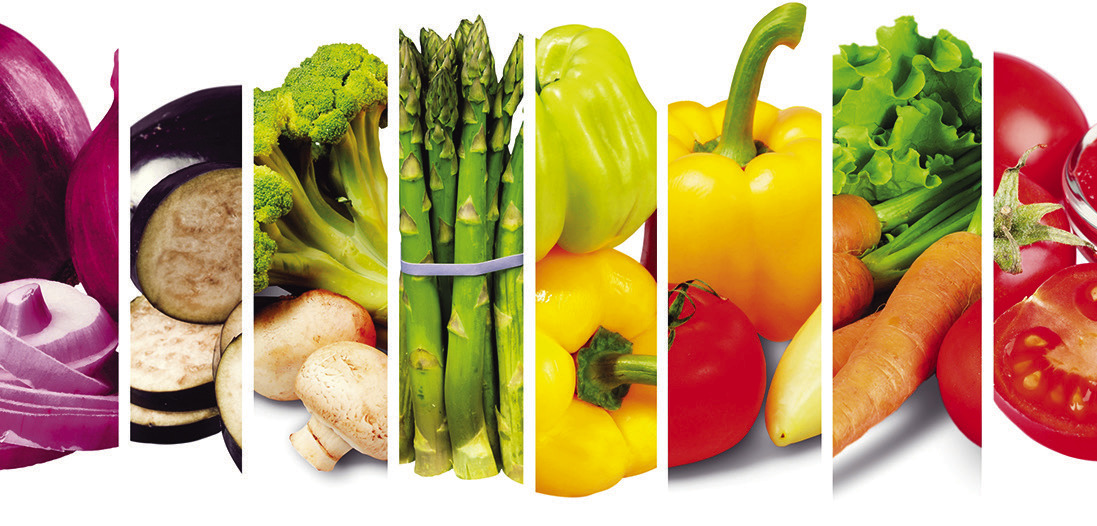
It’s no big secret that eating more fruits and vegetables, whole grains, and plant-based proteins, while limiting saturated fat, is the backbone of a heart-healthy diet in addition to maintaining a healthy weight and getting regular physical activity. We must never lose sight of this message, and science is doing its part by helping to drill down and focus on the nutrients in our food, both good and bad.
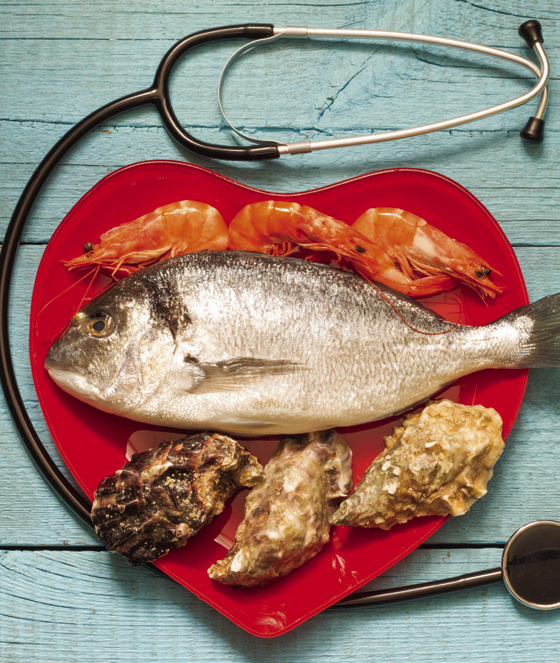
The heart-healthy food I’d like to focus on this month is fish. Now, being born and raised in Toledo, I know that when most of us hear the word fish, we think of the delicious fried perch and fried walleye harvested from our beloved Lake Erie (or from the Maumee River during the annual spring walleye run). We don’t have the luxury of living in a coastal city where you can find the best and freshest seafood in a wide variety.
Nonetheless, most local grocery stores do a nice job of carrying the most common seafoods, such as salmon, tuna, and shrimp. These choices are really good as they are much lower in fat than other proteins you might choose, such as red meat.
The American Heart Association (AHA) used to advise against eating shellfish due to their cholesterol content, but science has shown that dietary cholesterol has only a modest effect on blood cholesterol levels. Shellfish (and many fish) also contain omega-3 fatty acid—a healthy fat that can lower blood fats and triglycerides and help protect against heart disease—so the benefits of eating them outweigh any risk from the cholesterol they contain. The highest amounts of omega-3 fatty acids are found in cold-water fish, such as salmon, tuna, mackerel, halibut, cod, and herring. Good shellfish sources include shrimp, crab, lobster, oysters, clams, and scallops. Some good non-fish sources include walnuts, ground flaxseed, and canola oil.
Seafoods aren’t just high in omega-3 fatty acids.
They’re also an excellent source of protein and micronutrients such as iron, zinc, and vitamin B12.
So how much fish should you eat to derive all the nutritional benefits? The AHA recommends eating two servings of fish per week. This is easy to accomplish: Have cold canned tuna or sardines with crackers for lunch one day a week, and have salmon, halibut, or shrimp for dinner one evening a week. Prepare it in a healthy way, of course. Swimming in a butter cream sauce is not optimal.
A healthy diet can help prevent heart disease and improve your overall health. In addition to eating more fruits, vegetables, and whole grains while lowering your intake of sodium and saturated fat, try incorporating more fish or shellfish into your diet. Aim for once a week at first, then increase to twice a week.
Look for tasty seafood recipes in The New American Heart Association Cookbook or on the AHA website, www. heart.org. And if you head out to a fish fry this Lent (as many people in this town do), try to eat very low fat all day beforehand and throughout the following day to “budget” for the extra fat grams.
As always, enjoy the taste of eating right!
Laurie Syring, RDN/LD, is Clinical Nutrition Manager at ProMedica Flower Hospital. ✲