SINCE WE REVIEWED HOW TO pack stellar school lunches in last month’s installment of Eating Well, let’s focus on prepping a different meal this month—breakfast for the kiddos.
There’s a good reason breakfast is often called “the most important meal of the day.” Breakfast sets the tone for the day and affects your energy, mood, and brain power. Remember, upon waking in the morning, the body hasn’t had any nourishment since the evening before, and it’s time to “break the fast.” Providing your child a good, healthy breakfast will lay a solid nutritional foundation to build upon throughout the day.
Of course, mornings can be extremely busy with everyone trying to get ready and out the door. There’s seldom time to make a delicious omelet or pancakes for everyone to enjoy, so opt for quick and easy breakfast choices. Cereal with minimal added sugars and milk are always a good goto. Look for nutrient-dense foods that aren’t overly complicated to prepare. When planning your breakfasts, keep in mind that children are not miniature adults. Their nutritional needs vary based on age and other factors, including height, gender, weight, and level of activity. Remember, kids need at least 60 minutes of activity every day, which can include running around on the playground, climbing, or jumping rope.
According to the American Academy of Pediatrics, children ages 5-8 need an estimated 1,200-2,000 calories per day and 19 gm of protein. At ages 9-13, their needs change to 1,400-2,600 calories per day with their protein requirement depending on the factors above but estimated at around 34 gm. At ages 14-18, daily caloric needs range from 1,600-2,400 but can go as high as 3,000 (or even up to 5,000 for very active boys in sports), and the protein requirement is estimated at 52 gm+ for boys, and 46 gm+ for girls.
The eating patterns kids learn now will last throughout their lifetime, and it’s incumbent upon adults to help them establish healthy patterns. Aim for two cups of milk, two servings of vegetables, one to two fruits, four to five grains, and three to five ounces of protein per day. Limit added sugars, and choose healthy fats as well as healthy, nutrient- dense snacks.
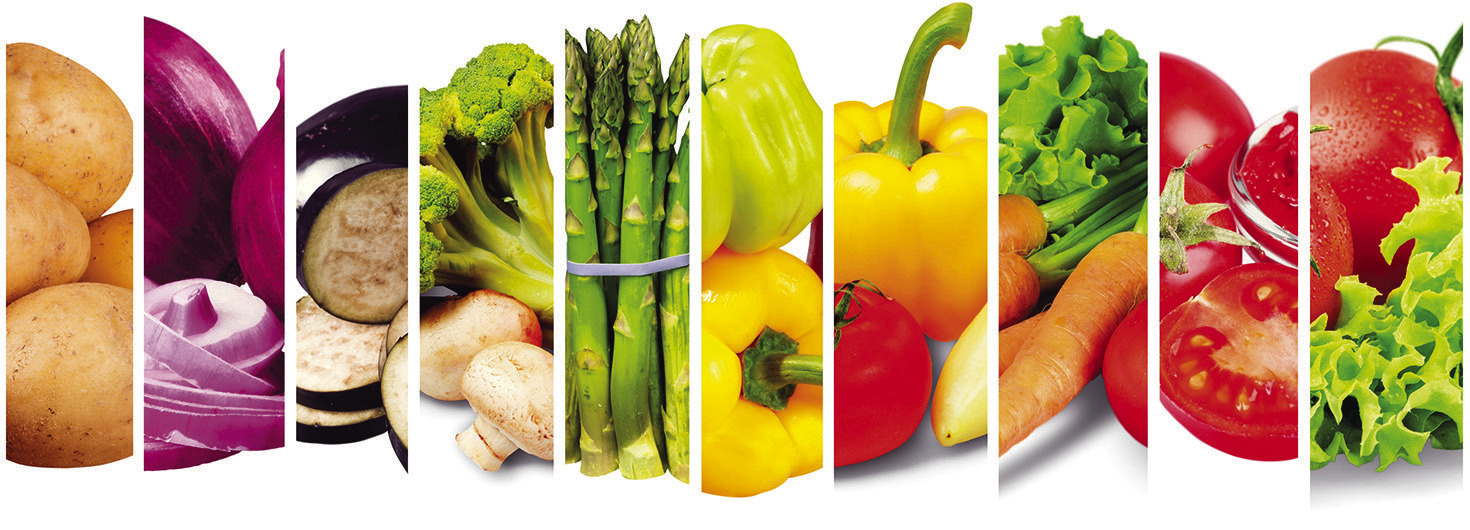
As most parents know, the two vegetables a day can be a challenge. The best way to incorporate them is to be sneaky—such as blending vegetables into smoothies or into tomato sauce for spaghetti or sloppy joes, or blending minced vegetables into meatballs or meatloaf, whole wheat muffins, zucchini bread, pumpkin muffins, or mini egg muffins.
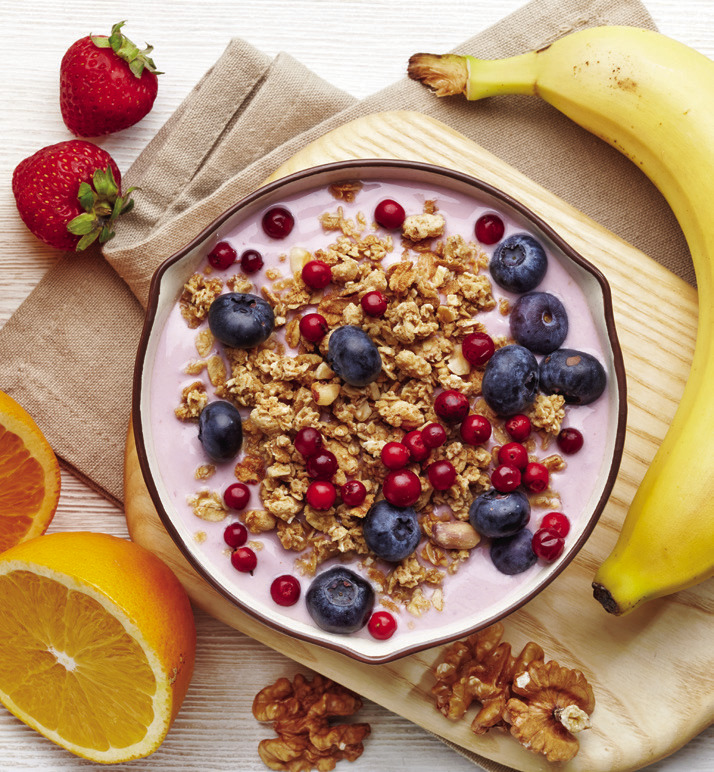
Again, when it comes to breakfast for the kiddos, quick and easy is best for most days of the week. Look for grab-and-go items like bananas or graham crackers and a packet of peanut butter. Prebake and freeze whole-wheat blueberry muffins, breakfast cookies, and egg omelet muffins that can easily go in the microwave for a few seconds and be eaten in the car or on the bus. Keep hardboiled eggs on hand for quick and easy protein. Usually, pairing a carbohydrate with protein helps kids stay fuller longer, focus better, and prevent spikes in blood sugar.
If getting your kids to eat breakfast is a real challenge, just start with one or two items. After a week or two of eating some breakfast, their system will get used to having food in the morning and they will actually look forward to breakfast.
In addition to being the most important meal of the day, breakfast can become your kids’ favorite meal of the day. There are lots of great recipes online for the items discussed above that will help get you started. Batch cooking can make things easier, as will choosing items that can be reheated quickly in the microwave, toaster, or oven in the mornings, such as muffins, breakfast burritos, and sandwiches. All these choices are good for on-the-go families.
It's also helpful for busy breakfast planners to invest in reusable snack bags and containers. Bento boxes, for example, are great because you can fill the different compartments with items such as mini muffins, yogurt, berries, and nut butter.
Keep it kid friendly, and always try to involve your kids in the shopping, buying, and prepping for breakfast and other meals. The more involved they feel in planning and preparing a meal, the more likely they’ll be to eat it.
As a new school year gets underway, remember that starting the day off right starts with a good breakfast, and raising healthy eaters with healthy habits starts now.
Laurie Syring, RDN/LD, is Clinical Nutrition Manager at ProMedica Flower Hospital. ✲