Building an appetite for meat alternatives
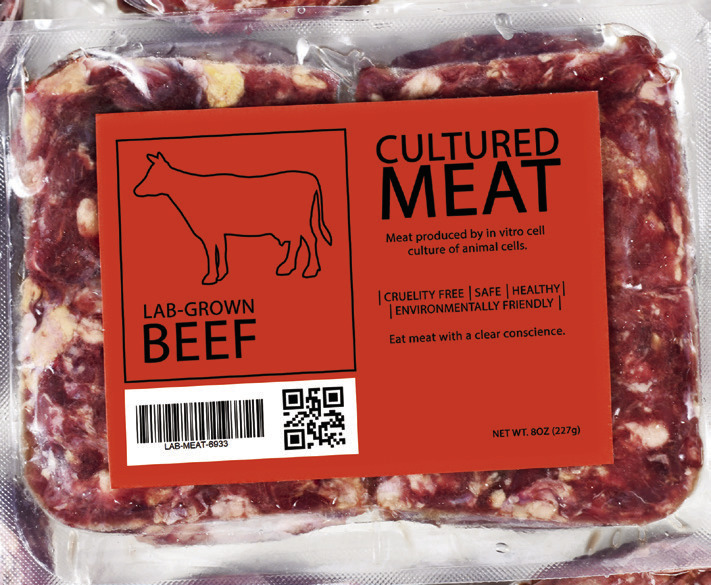
CALL IT WHAT YOU WILL: cultured meat, lab-grown meat, clean meat, synthetic meat, cell-based meat, or in-vitro meat. These are just some of the names given to meat produced by culturing animal cells in vitro. The production of cultured meat can be described as a form of cellular agriculture— synthetic biology, so to speak.
In the not-sodistant future, instead of getting our meat from slaughtered animals, we’ll get it from cells grown in brewery-like vats, with no blood or guts. For some, there is a major “ick factor” to this. For others, it represents a trade-off between conscience and appetite. It really boils down to (pardon the pun) your personal food philosophy, or how you think and feel about what you put in your stomach. Those whose food philosophy is about making sustainable and creative food choices that promote a healthy life and a healthy planet might be more amenable to the concept of cultured meat.
This talk of synthetic biology may sound a bit sci-fi and futuristic, but it’s already here. In fact, we moved one step closer to the future last November when the FDA gave its approval to a slaughter-free chicken from a San Francisco startup company.
The old political slogan “A chicken in every pot” (commonly but incorrectly attributed to Herbert Hoover a century ago) fast became a reality in America as we now consume 100 pounds of chicken per capita per year.
These birds, destined for mass consumption, are bred to produce maximum meat in minimum time in crowded sheds and subjected to assembly line slaughter. Considering the process, perhaps it’s no wonder that most Americans’ food philosophy is to keep eating chicken but not dwell too long on where chicken comes from. However, there’s also a growing bandwagon of people who love to eat but also care deeply about animal cruelty and the future of our planet— those who prefer to eat animal-free, “cruelty-free.” There’s a cultural shift in our society toward the natural, safe, pure, authentic, and virtuous, and changing how we think about and consume meat is one way we can raise environmental and ethical standards by making them easier and more enjoyable to achieve.
So, what’s currently—or soon to be—on the market in terms of meat alternatives?
Several companies are developing animal-free dairy products, cultivated salmon, cultivated chicken, and the now famous “Impossible Burger,” which is a plant based “beef ” burger.
And that’s just scratching the surface.
The cells and protein in these products are identical. They’re just grown in a different way—through a form of human engineering called synthetic biology (aka Syn-Bio), the science of the development of artificial products. “Purists,” however, wish to differentiate the vat-grown products from the plant-based meat substitutes sold by companies and want proper clarifying labels on these products.
Most consumers care primarily about taste and price—and early taste results are promising for the plant-based and synthetic meats.
n Price is still a factor, however. The salmon equivalent, for example, costs $20-$25 per pound.
The higher price notwithstanding, are people ready to embrace these products? Will we Midwesterners (lovers of meat and potatoes) be ready? It seems the trajectory for the vat-raised meats is truly on its way to becoming “normal,” perhaps in the next generation. In addition, within the next two generations, it may become morally imperative.
Many factors influencing consumer acceptance of meat have been identified, including healthiness, safety, nutritional characteristics, sustainability, taste, and lower price. Communicating the science is important, but perhaps some of the details may evoke resistance. Labeling challenges exist for both acceptance and sales, and there are many other issues and considerations, such as genetic engineering, ethics, religious practices, and of course the impact on our farmers.
How you implement your food philosophy at home is your approach to healthy—or not so healthy—eating, but that extends to the people you feed in your home. Trying “Meatless Mondays” has become a trend for incorporating more plant-based recipes and/or meat alternatives. This trend is not just for courting vegetarians, but also for those who want to curb greenhouse gases that fuel climate change—and that’s good for everyone’s health. But it may leave some asking, “Where’s the beef?” ✲