GEEZERS ARE NOTORIOUS for saying that everything was better back in the day. OK. We are often guilty of that, but some things really were better. You may have your own list of things that are just not what they used to be.
After retirement, Shirley and I spent our winters in Florida. At least a month of that time was in Everglades National Park. The very tip of Florida is one of the few places in the US that is reliably warm in the winter months. We became friends with the park rangers and volunteers who welcomed us back each year and kept us up to date with the long-running soap opera of the goings on at Long Pine Key Campground. Other than on Martin Luther King weekend, the campground never filled up, so they were happy to get $10 a night from us (with my geezer pass) rather than $0 for an empty site. Post COVID, you have to reserve a campsite with recreation.gov, and the algorithm is not inclined to bend the rules about the 14-day limit even if the place were totally empty. Which, ironically, it isn’t any more. Ironically because most of the reasons we went there in the first place no longer exist.
The Southern Florida that we know today was made possible by draining the swamp. Water was diverted from Lake Okeechobee to the Atlantic and Gulf to create dry land for farms, citrus groves, and retirement communities. In 2000, the federal and state governments acknowledged the environmental implications and began investing what has swollen to $23 Billion (that’s billion with a “B”) in restoring the historic water flow through the glades. This year, Florida is planning to spend another $3.5 billion. Before the glades were fixed, in the winter dry season water collected in the relatively few deep holes and the rest of the swamp dried up. Gators and birds were forced to congregate where the water was and tolerate the presence of humans. Restored water levels have made it possible for wildlife to spread out over a much broader area. They don’t have to tolerate us anymore, so they don’t.
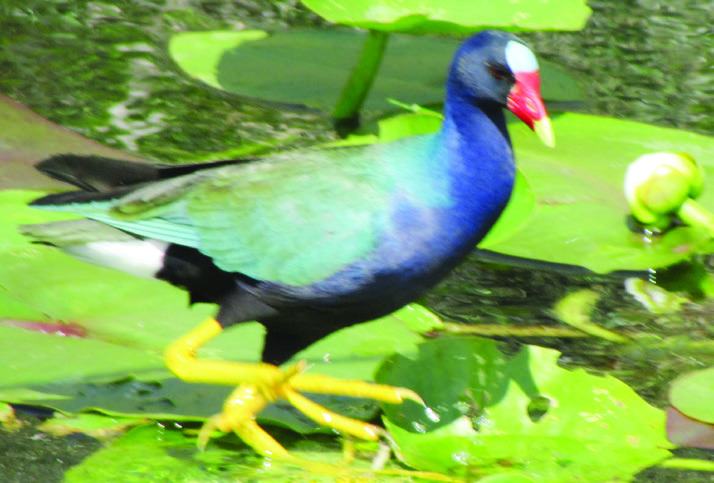
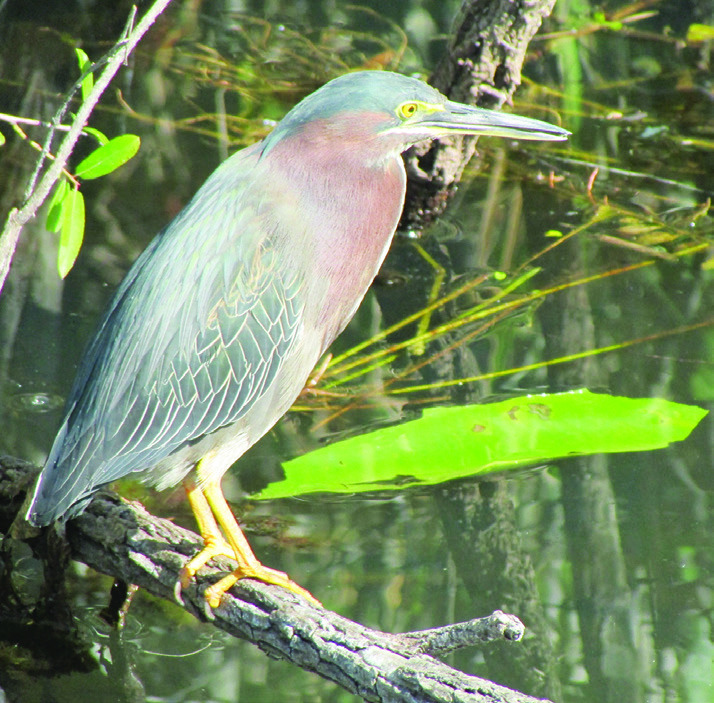
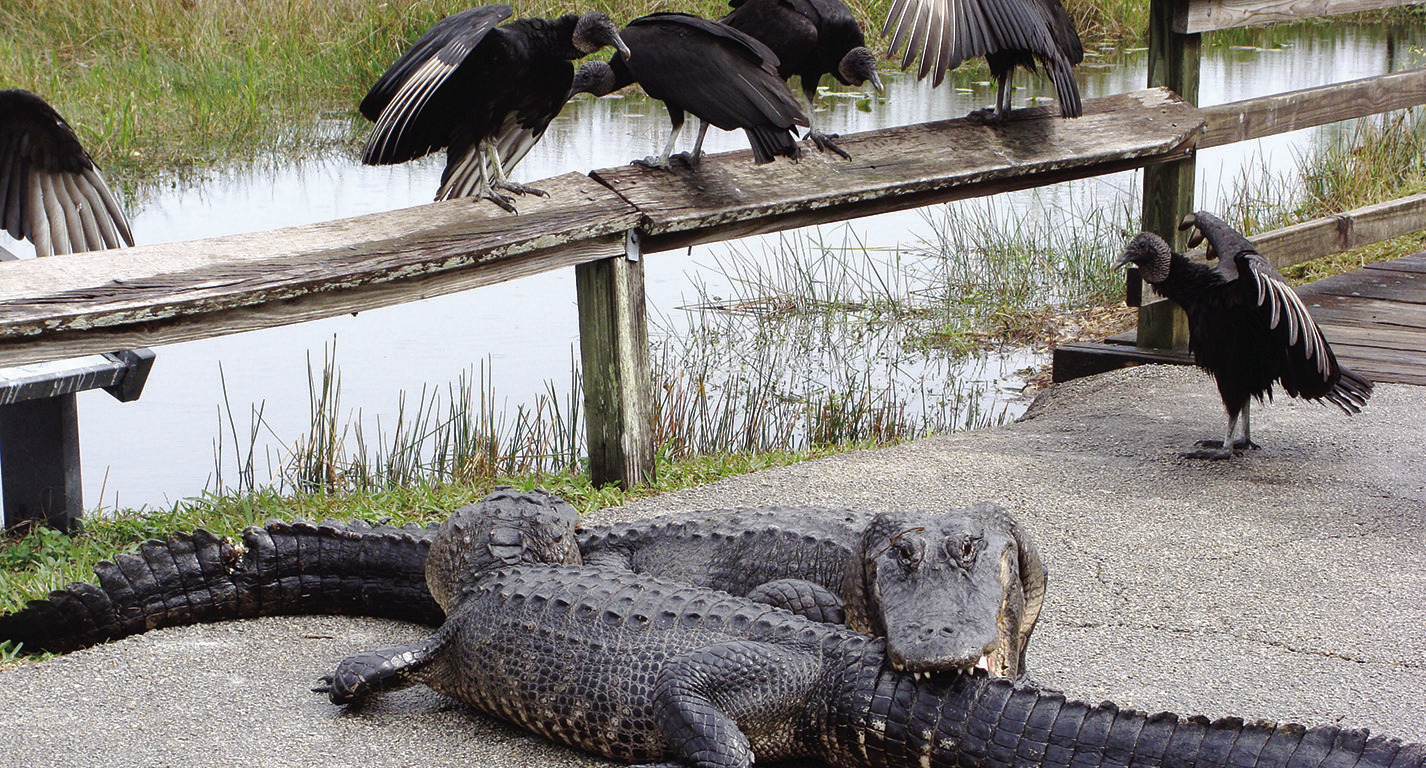
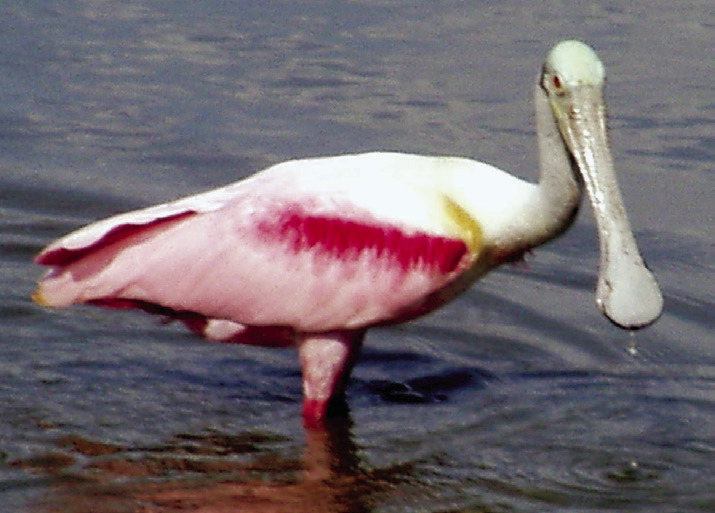
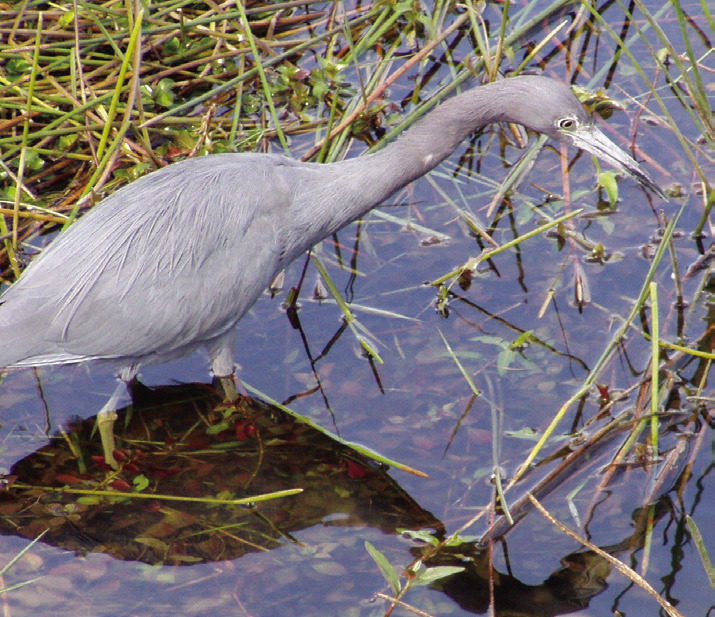
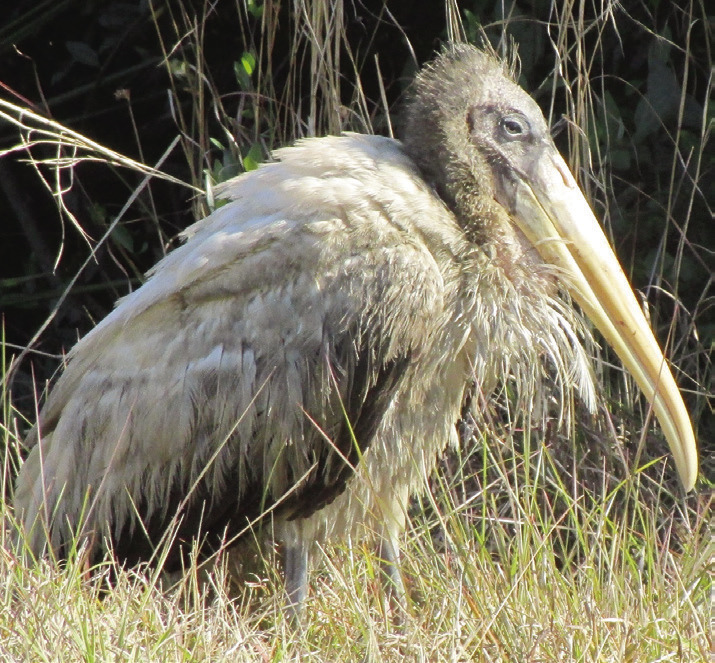
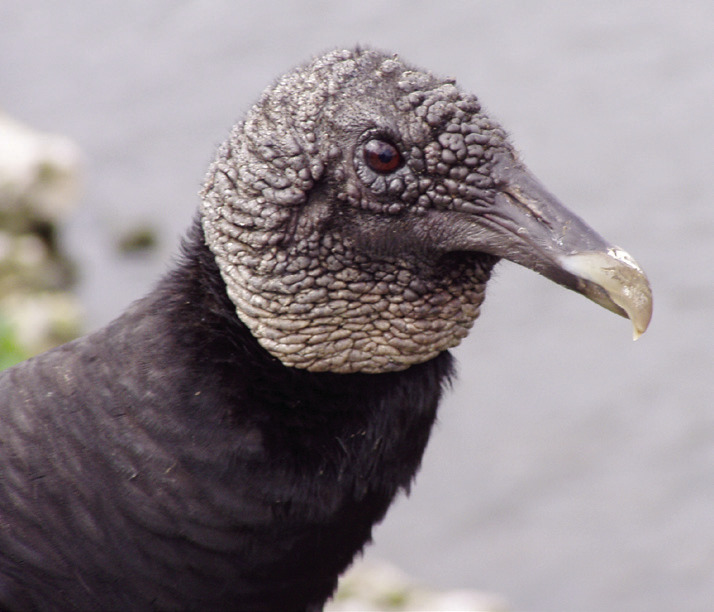
This is great news for the wildlife but not so much for tourists in the 2020s. Back in the day, Everglades NP was a paradise for those who were attracted by the chance to see gators by the dozens all piled up together in the sunshine. There were shore birds and wading birds in great numbers and varieties: cormorants and anhingas, great blue herons, little blue herons, green herons, tri-color herons, night herons, great white egrets, snowy egrets, cattle egrets, ibises both white and glossy, wood storks, roseate spoonbills, black necked stilts, purple gallinules as well as the common gallinule, moor hens and coots, pretty little grebes, bitterns that are almost invisible as they blend in with the foliage, hawks, ospreys and eagles, little yellow warblers, catbirds, mockingbirds and other song birds, turtles, water snakes, water moccasins, rattlesnakes, geckos, and other reptiles.
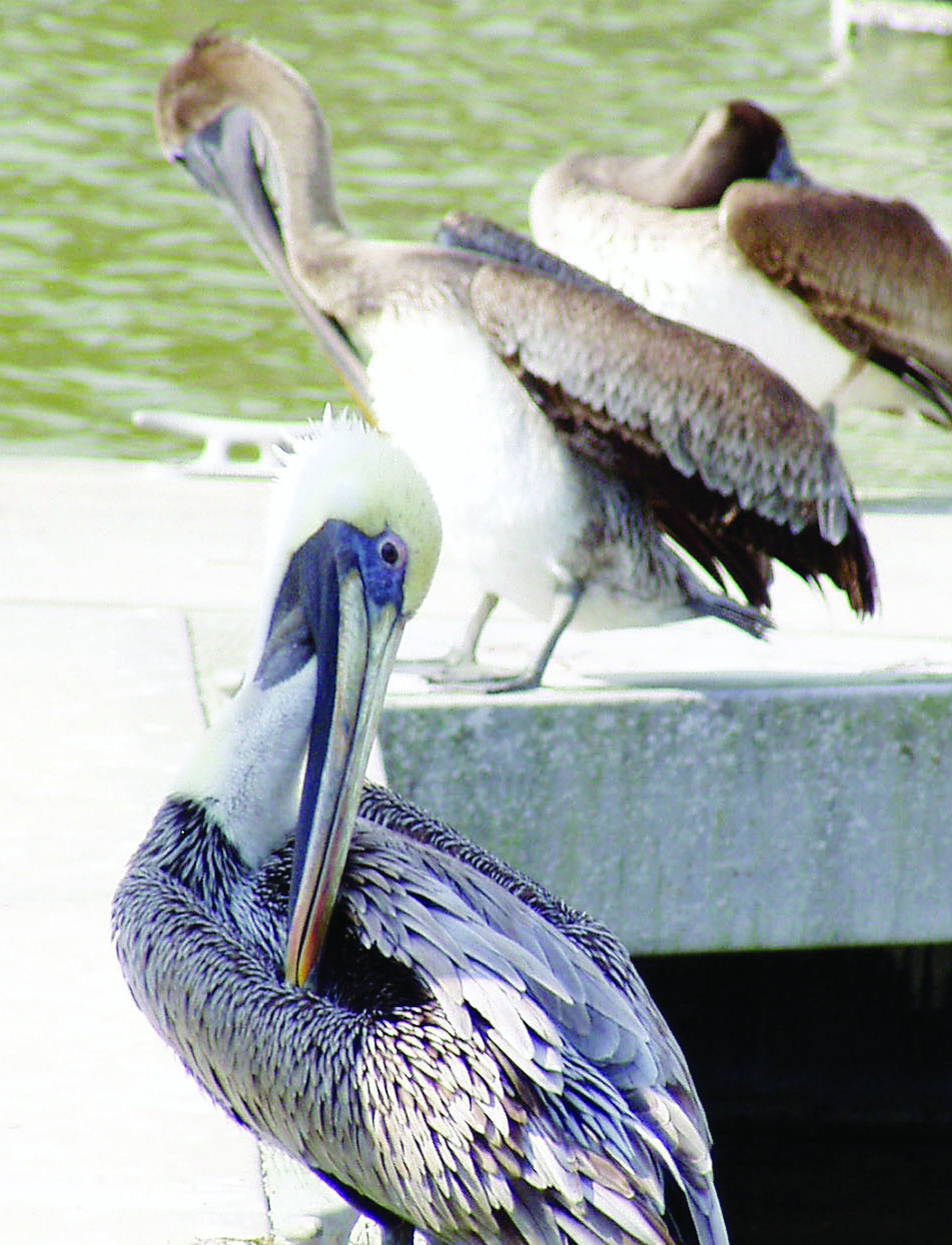
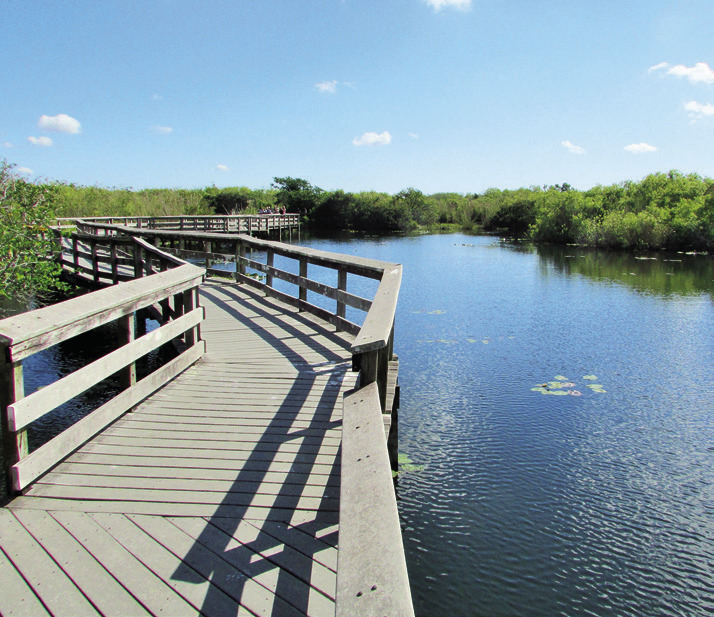
The moral here is that for the very best RVing and camping experience in South Florida you should go at least ten years ago. If your flux capacitor is broken and you can’t do that, don’t despair. Obviously, the folks who continue to crowd into Florida are not at all dissuaded by the loss of what some of us insist were the good ol’ days. For latecomers, these bison in the millions once inhabited the West. Tourists in Yellowstone are still impressed if they see a couple hundred. Or even one. In a similar vein, there are just as many, or more, gators and birds in the Everglades, but they are now in remote areas where you are less likely to see them. So, here are some photos of what you would see if you had gone ten years ago. Sorry about that. Think of this as your walk in the park.
For more places you should visit before it is too late, see AnotherWalkinthePark.blogspot. com. ✲